The Story
Why it exists.
The beginning
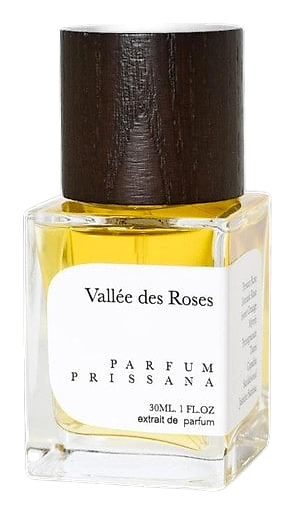
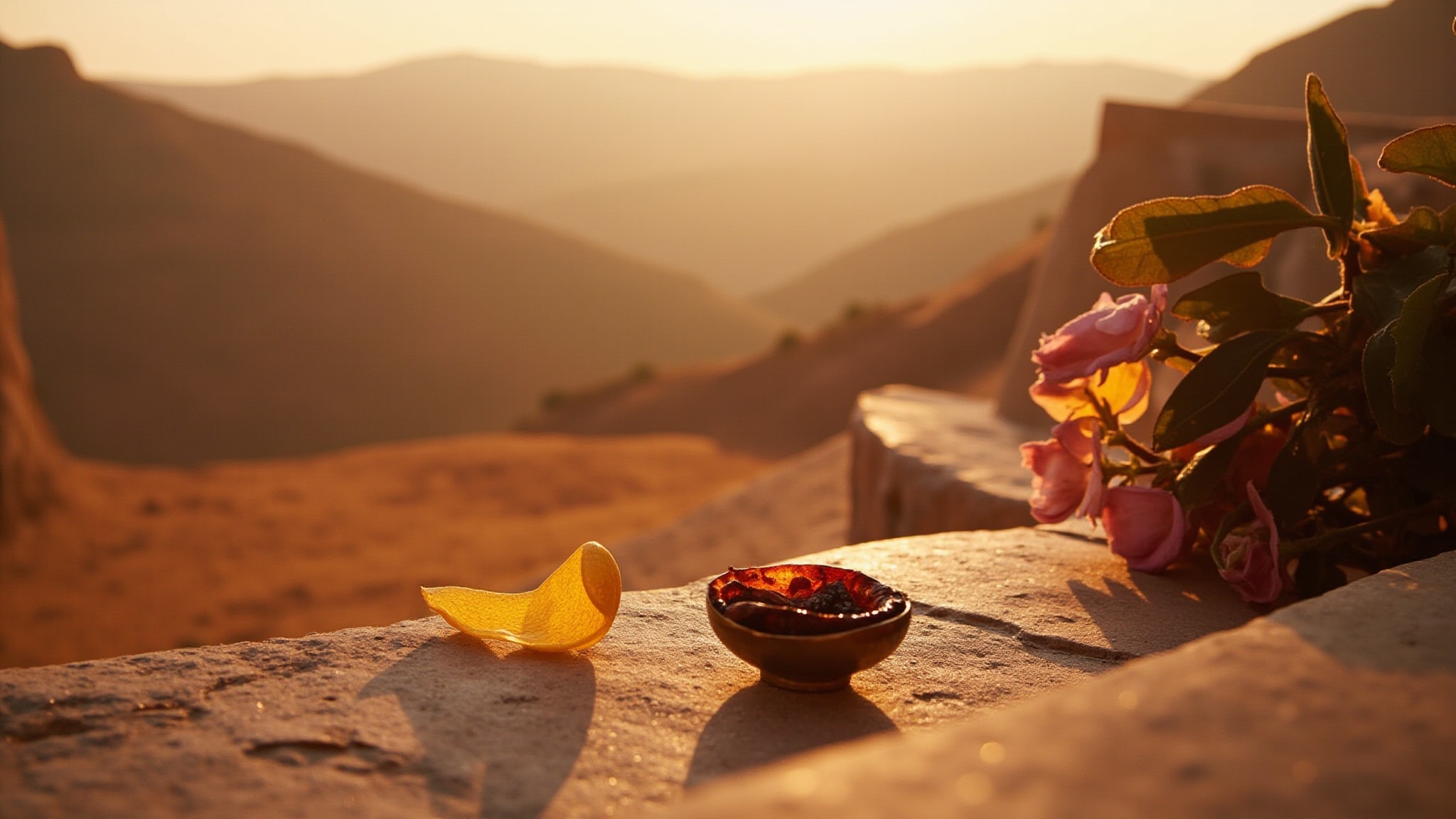
Vallée des Roses draws on the Asif M'Goun River valley in Morocco, a region where the Southern foothills of the Atlas Mountains come alive with rose cultivation at dawn. The brand's own note captures the scene vividly: women picking roses by hand, a trail over the mountain thick with oranges and pomegranate, roses in full bloom, honey rising from the petals, incense burning in the distance. The fragrance is an attempt to bottle that particular morning, the air before the heat of the day sets in. What comes through in the composition is the freshness of a still-cool landscape, with green leaf and citrus brightness layered against the darker, resinous warmth of rose absolute and incense smoke.
What makes the composition unusual is its refusal to treat rose as a soloist. The brief lists eighteen materials, almost all of them weighted toward texture rather than brightness: myrrh, copaiba, elemi, amyris, guaiac wood, oakmoss. The rose sits inside a resinous, spiced bed rather than floating above one. Dates and pomegranate add a low, almost earthy sweetness, while black pepper and cinnamon keep the edges sharp. It's a rose constructed the way Prissana builds everything, from a single cultural moment outward.
The evolution
The first hour reads loud. Sweet orange hits fast, and the Damask and Persian roses come up close behind it, sugar-sticky from the dates and pomegranate, lifted by black pepper that's warm without burning. Around the second hour the resins start to surface, myrrh and copaiba giving the rose a darker, almost amber-lit cast. The cinnamon and tobacco settle in quietly around hour three, and that's when the fragrance changes identity. What opened like a fruit-forward floral becomes something drier, more contemplative, closer to a wood. By hour six you're sitting on sandalwood, guaiac, and a faint dusting of vanilla. Eight to ten hours later, on skin, you get oakmoss and a skin-warm whisper of jasmine sambac. On fabric it lasts longer, the drydown turning faintly smoky the next morning, like the last trace of that dawn incense still hanging in a sweater.
Cultural impact
Vallée des Roses has found a following among collectors who track independent perfumery, particularly those interested in Thai-origin houses and the wave of small-batch releases that have come out of the region in recent years. Within that context, the fragrance stands out for how it handles its rose material: rather than presenting a straight, classical rose soliflore or leaning into the denser, more confectionary rose styles common in some Middle Eastern perfumery, it works with a layered rose profile that lets the supporting notes register as distinct impressions.
The House
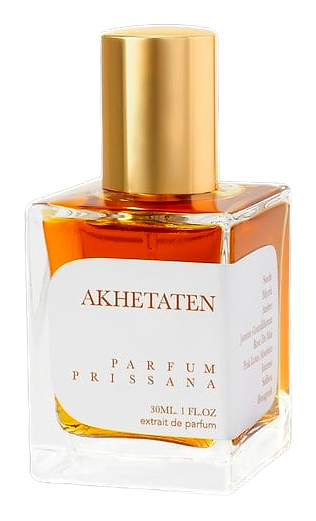
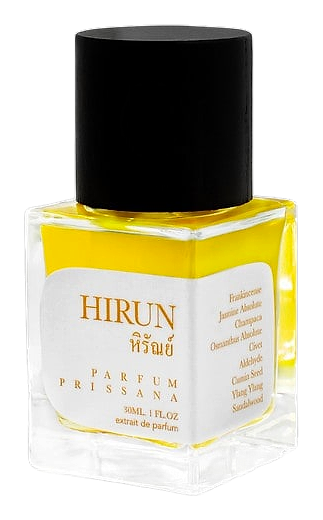
PrissanaParfums Prissana emerged in 2018 as a niche house that blends Mediterranean lineage with contemporary storytelling. The brand offers a compact catalogue of single‑note or concept‑driven scents, each anchored by a clear narrative. From the desert‑inspired Akhetaten (2023) to the forest‑rich Hirun (2024), Prissana invites collectors to explore places and memories through scent. The line balances bold compositions with restrained packaging, positioning the house as a quiet but confident voice in modern perfumery.
The Creator
Prin LomrosLomros favors a minimalist palette that highlights contrast. He often pairs bright, bitter black tea notes with deep, earthy bases, creating a bridge between light and shadow.