The Story
Why it exists.
The beginning
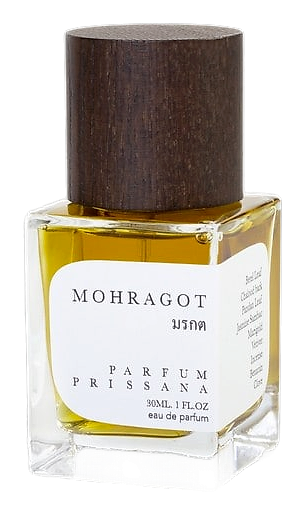
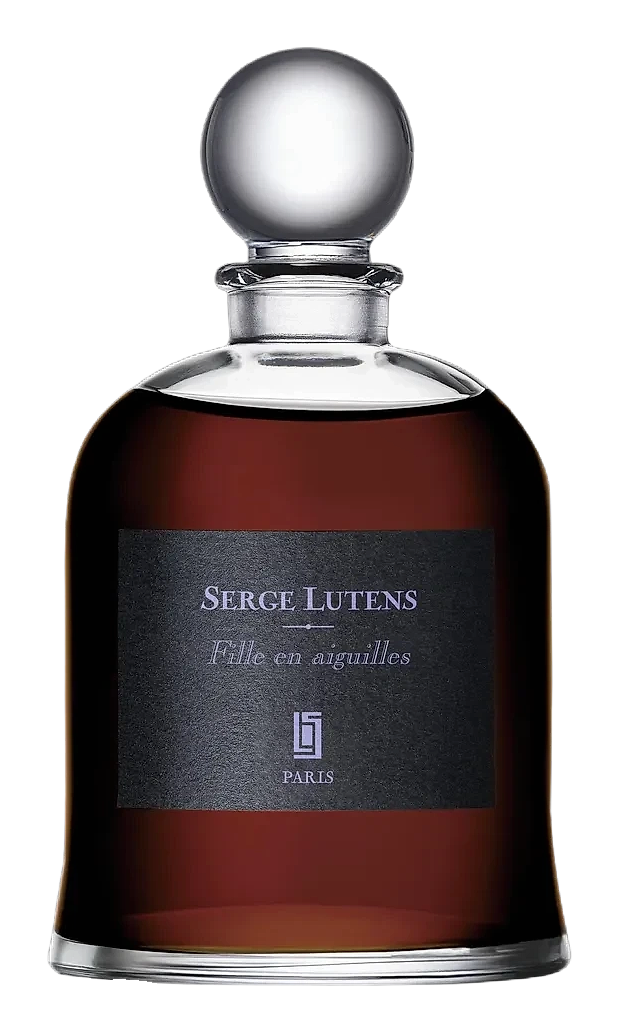
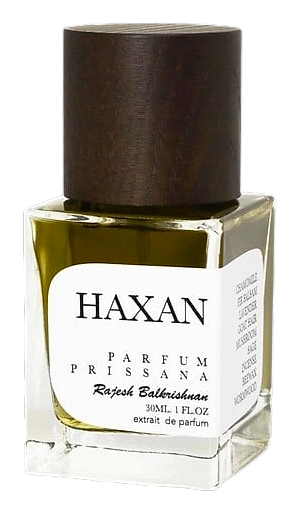
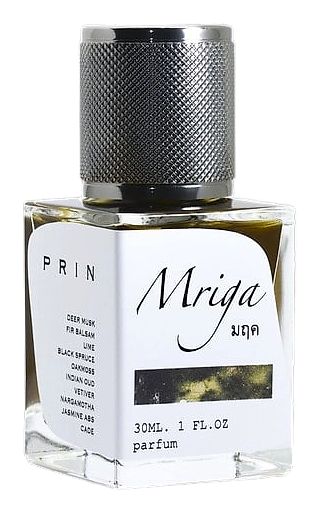
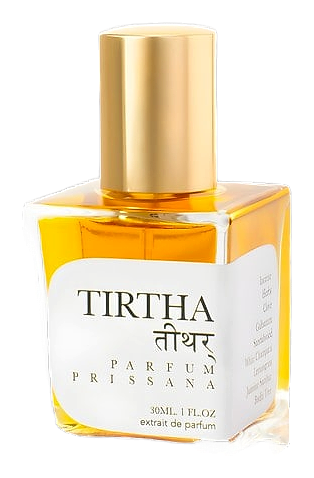
Tirtha takes its name from the Sanskrit word for a sacred ford, the place where rivers meet and pilgrims cross from the everyday into something older. The scent is built around the imagery of ritual water and the air above it, and the result feels less like a postcard and more like a field recording. Herbs and galbanum provide the clarity of cold water, their green sharpness cutting through any sweetness before it can settle. Cumin and camphor carry a mineral chill that reads as damp stone rather than spice rack, lending the opening a coolness that feels almost tactile. Champaca and frangipani bloom slowly into the warmth of offerings left at the water's edge, their creamy indolic sweetness wrapped in enough smoke and papyrus to keep them from reading as merely pretty.
What makes this composition unusual is the sheer density of green and resinous material stacked into a single arc. Cumin and clove sit underneath the opening, adding warmth without sweetness, and that pairing does a lot of quiet work to keep the greens from feeling raw or salad-like. Champaca and frangipani arrive later, but they're wrapped in papyrus and smoke, so the florals never read as pretty in the conventional sense. They read as offerings left to decay a little, darkened at the edges, carrying the residue of fire rather than the brightness of fresh petals.
The evolution
On skin, Tirtha opens with a sharp, almost metallic green, galbanum and camphor throwing each other into relief. The first 20 minutes feel cold and vegetal, like crushed stems in morning air, with cumin adding a savory undertone that keeps it from smelling clean in a synthetic way. Aldehydes flicker through, briefly giving the opening a soapy, wind-blasted quality. By the 45-minute mark the green settles. Champaca and frangipani rise through the resinous base, smoky rather than sweet, wrapped in papyrus and the dry warmth of sandalwood. Clove, nutmeg, and cinnamon deepen the heart without pushing it into gourmand territory. The drydown takes over by hour three. Sandalwood, vetiver, patchouli, and benzoin hold close to skin. The smoke lingers as a memory rather than a presence, and the florals soften into something almost waxy, like old incense on stone. Ten hours in, what's left is a quiet warmth, faintly herbal, faintly resinous, the kind of trace that surfaces when you move your wrist hours after you've forgotten you're wearing anything.
Cultural impact
Tirtha's green-spicy character draws on resin and incense traditions without leaning on the oud axis that dominates so much of contemporary niche perfumery, and that choice gives it a slightly off-center profile among the incense-coded releases crowding the market. Champaca and frangipani wrapped in smoke rather than dressed in sweetness place it closer to temple-floor atmospherics than to tropical-flower florals, and the cumin-camphor opening pulls the composition toward ritual rather than refreshment.
The House
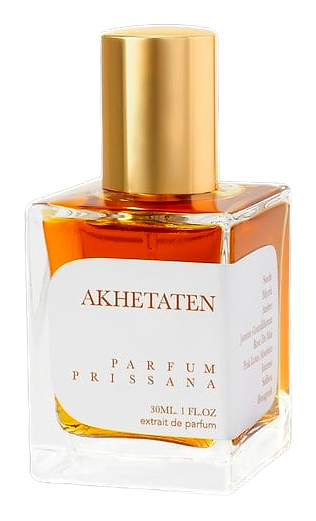
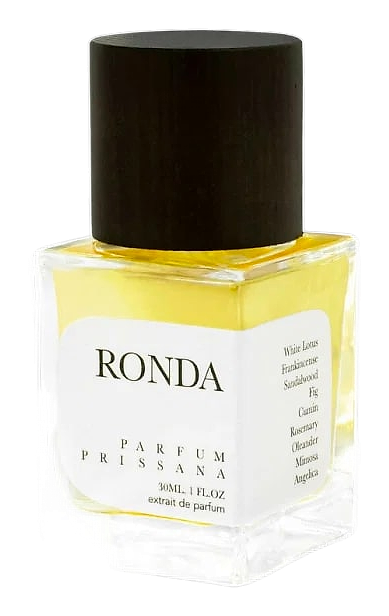
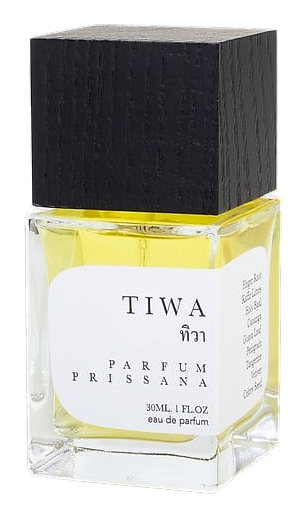
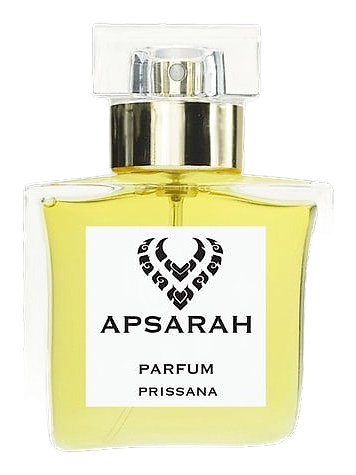
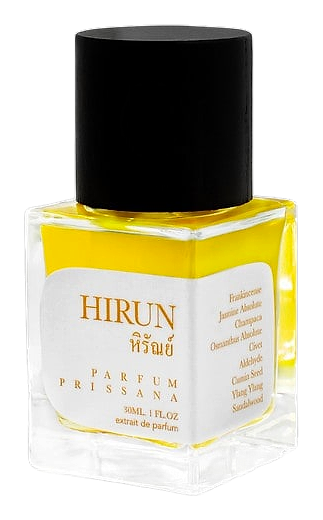
PrissanaParfums Prissana emerged in 2018 as a niche house that blends Mediterranean lineage with contemporary storytelling. The brand offers a compact catalogue of single‑note or concept‑driven scents, each anchored by a clear narrative. From the desert‑inspired Akhetaten (2023) to the forest‑rich Hirun (2024), Prissana invites collectors to explore places and memories through scent. The line balances bold compositions with restrained packaging, positioning the house as a quiet but confident voice in modern perfumery.
The Creator
Prin LomrosLomros favors a minimalist palette that highlights contrast. He often pairs bright, bitter black tea notes with deep, earthy bases, creating a bridge between light and shadow.