The Story
Why it exists.
The beginning
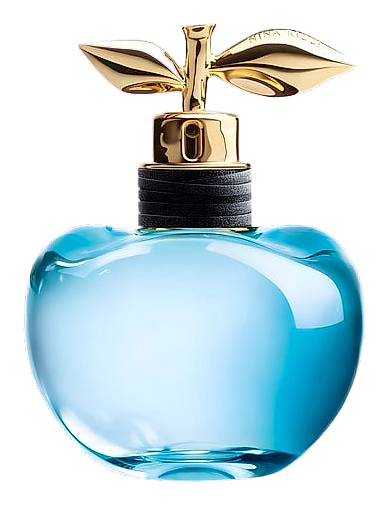
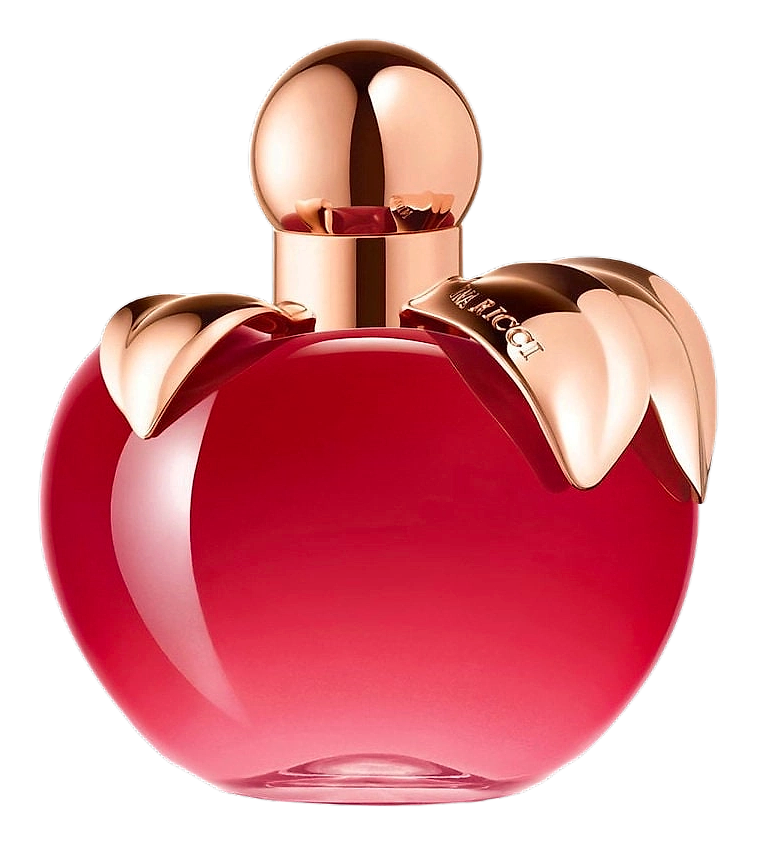
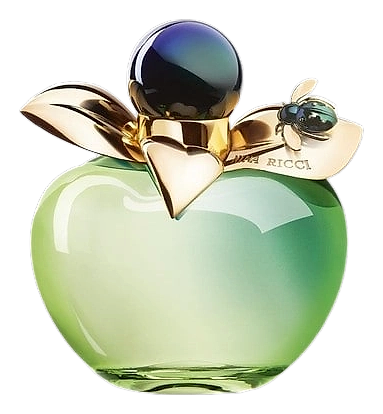
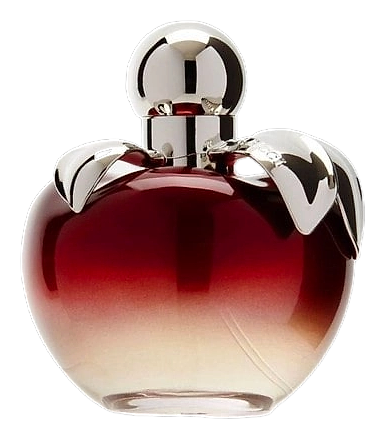
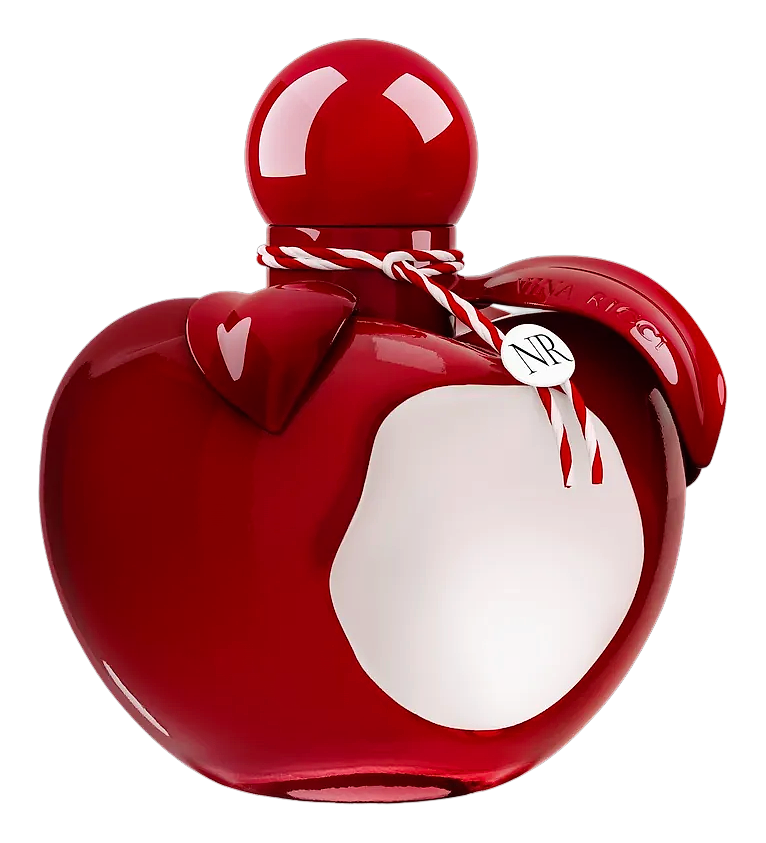
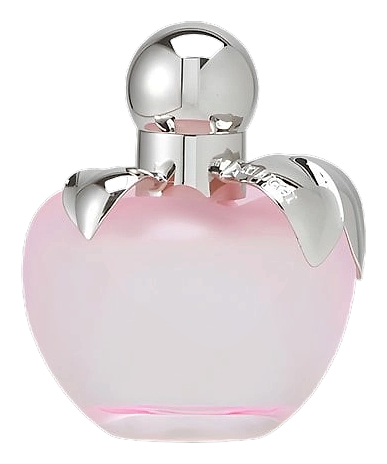
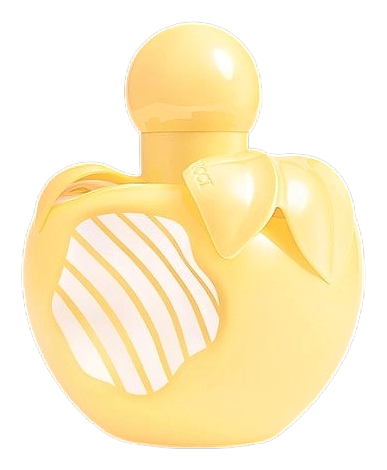
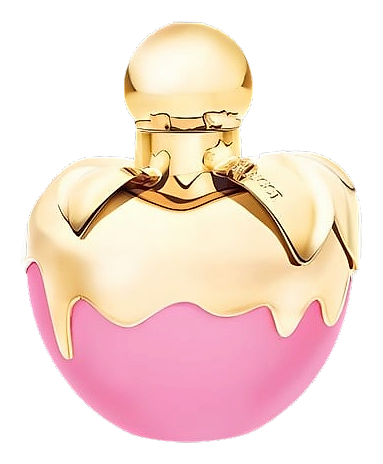
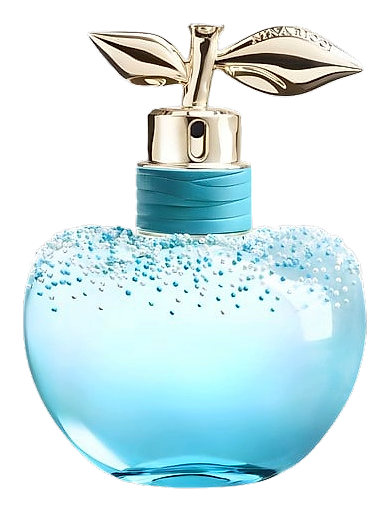
Part of Nina Ricci's Les Belles de Nina collection, Les Gourmandises de Luna arrived in 2017 as a limited-edition release. Marie Salamagne, working alongside Christophe Raynaud, composed the fragrance. The bottle, shaped like an ornamental apple and dusted with golden sprinkles, announced the joke before the juice even touched skin. It's the kind of fragrance that doesn't take itself seriously, which is exactly the point. The apple form gives the whole presentation a confectionary wink, as if the flacon were a candy display plucked from a patisserie window rather than a perfume counter. That visual gag sets expectations, and the scent inside follows through on the premise without tipping into novelty territory.
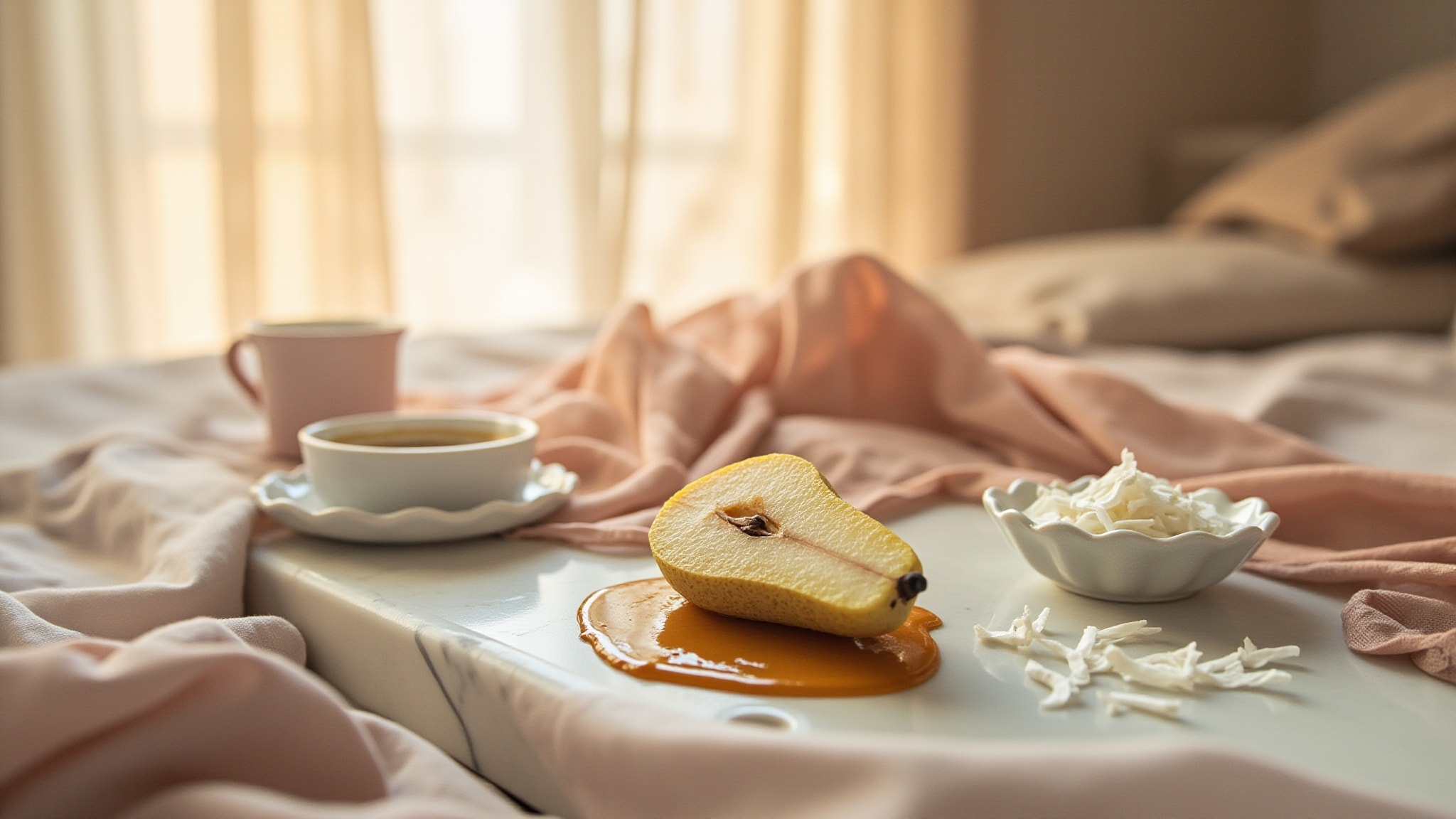
Pear sorbet and grapefruit open the composition, bright and cold at the surface, then coconut milk moves through the middle, creamy and lactonic, with white peony pulling gently against the tropical sweetness. The base settles into caramel and sandalwood, warm and golden, leaning fully into edible territory. The combination of coconut milk with white peony is the unusual move, a floral note pulling against the tropical sweetness just enough to keep it from collapsing into pure confection.
The evolution
The first ten minutes are almost startling. Grapefruit cuts through bright and sharp, then the pear sorbet rushes in, cool, almost frosted, like something pulled from a freezer. It's the most energetic the fragrance gets. The coconut milk settles in early, creamy and lactonic, with the white peony offering a faint powdery counterweight underneath. The grapefruit retreats to the edges as the composition softens and rounds out. The caramel arrives gradually, slow and golden, and from there the sandalwood takes over as the structural backbone, warm and slightly woody beneath the sweetness. Eventually, what's left on skin is a soft caramel-sandalwood skin scent, warm, faintly nutty, like the ghost of something you baked earlier in the day.
Cultural impact
Les Gourmandises de Luna sits in the playful corner of Nina Ricci's lineup. Wearers tend to describe it as a comfort scent, the kind of thing sprayed on pajamas or worn on lazy Sundays rather than red carpets. It reads as sweet but grounded, unusual for a gourmand where compositions can tip toward the juvenile or the suffocatingly heavy. The bottle's apple shape has become part of its appeal, a visual shorthand for the candy-shop fantasy the juice delivers on. Collectors of limited Nina Ricci releases often seek out these fruit-shaped bottles specifically, treating them as much as objets d'art as functional fragrances.
The House
Nina RicciNina Ricci is a Parisian fashion house founded in 1932 by Italian-born designer Maria "Nina" Ricci and her son Robert Ricci. The house began as a couture salon on Rue Haussmann, quickly establishing a reputation for refined, feminine gowns with romantic sensibility. Robert established an in-house perfume division in 1941, though the first fragrance would not arrive until 1946. That inaugural scent, Coeur Joie, marked the beginning of a partnership with Lalique that would define the house's olfactory identity. The house introduced its most celebrated fragrance, L'Air du Temps, in 1948, a scent that remains in production decades later. Puig acquired Nina Ricci in 1998, bringing the house under the same ownership that manages Carolina Herrera and Jean Paul Gaultier. Today, the fragrance collection spans from timeless classics to contemporary offerings like the Nina line, maintaining the house's commitment to feminine elegance.
The Creator
Marie SalamagneSalamagne's style is characterized by a skillful balance between power and subtlety. She isn't afraid to use bold ingredients, but she does so with a deft hand, ensuring that the overall effect is harmonious and refined.