White Peony
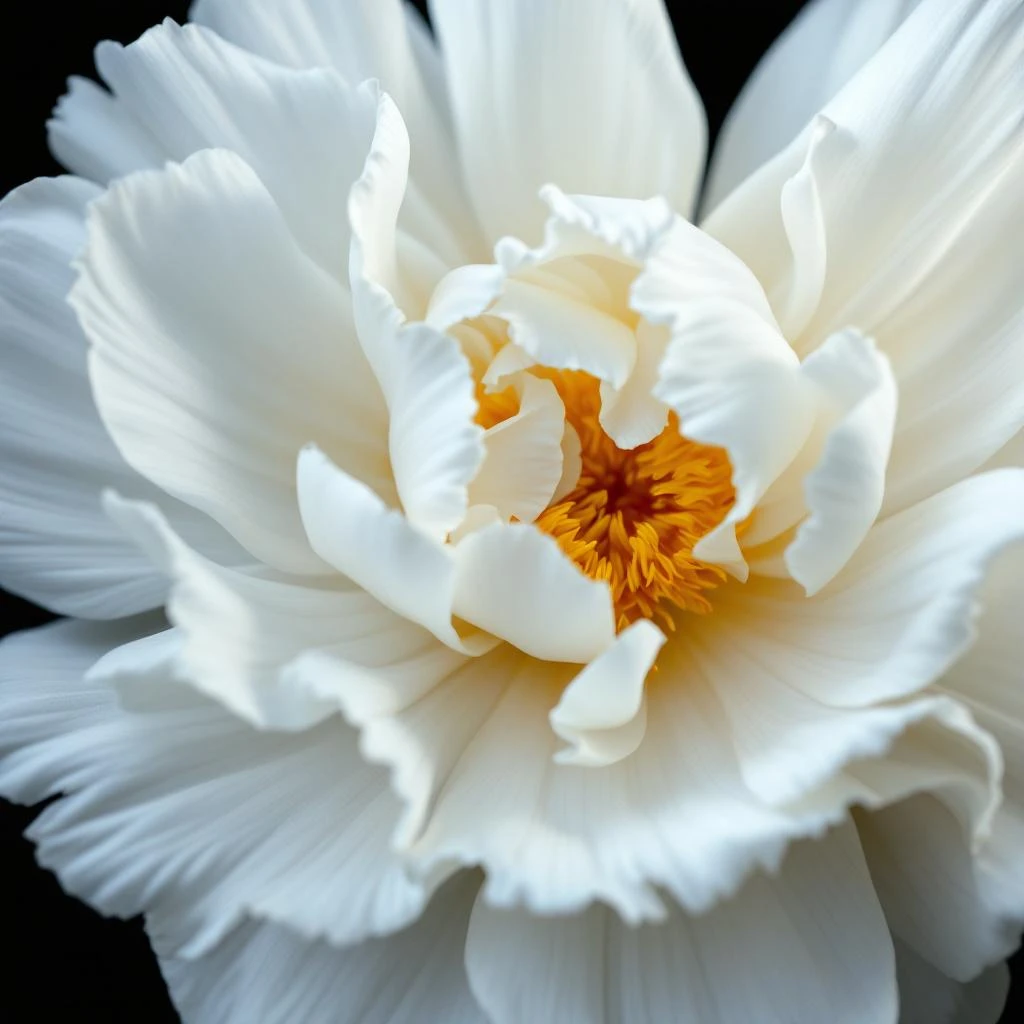
White Peony is a fresh, softly romantic floral note prized in fine perfumery for its light transparency and slightly powdery character. This beloved garden bloom carries centuries of cultural significance across East Asia and beyond, yet its true fragrance cannot be extracted directly from the flower itself.
Character
How it smells
A delicate floral fantasy recreated through perfumer's artistry.
The peony flower takes its name from Paean, physician to the Greek gods, whom Zeus transformed into the flower to protect him from Apollo's jealousy.








Origin
China
Chinese records document cultivated peonies as decorative plants dating to 200 BC during the Qin and Han dynasties. The flower holds national emblem status in both China and Japan, where it earns the title 'king of the flowers' for its generous blooms and intoxicating beauty.
In classical Chinese culture, peonies symbolized wealth, honor, and prosperity, gracing imperial gardens and inspiring countless artworks. Greek mythology offers another origin for the name, deriving from Paean, physician to the gods, whom Zeus transformed into a peony flower to protect him from Asclepius is envious rage.
In the Victorian language of flowers, mischievous nymphs hiding among the petals gave the peony meanings of bashfulness and shame. Traditional Chinese Medicine also valued peony roots for treating night sweats, injuries, and stomach ailments, adding medicinal significance to the flower's ornamental and aromatic heritage.
Wears it best
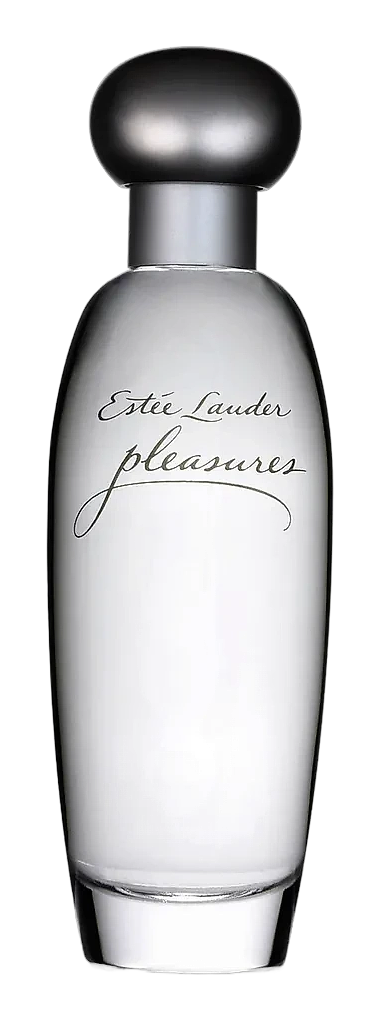
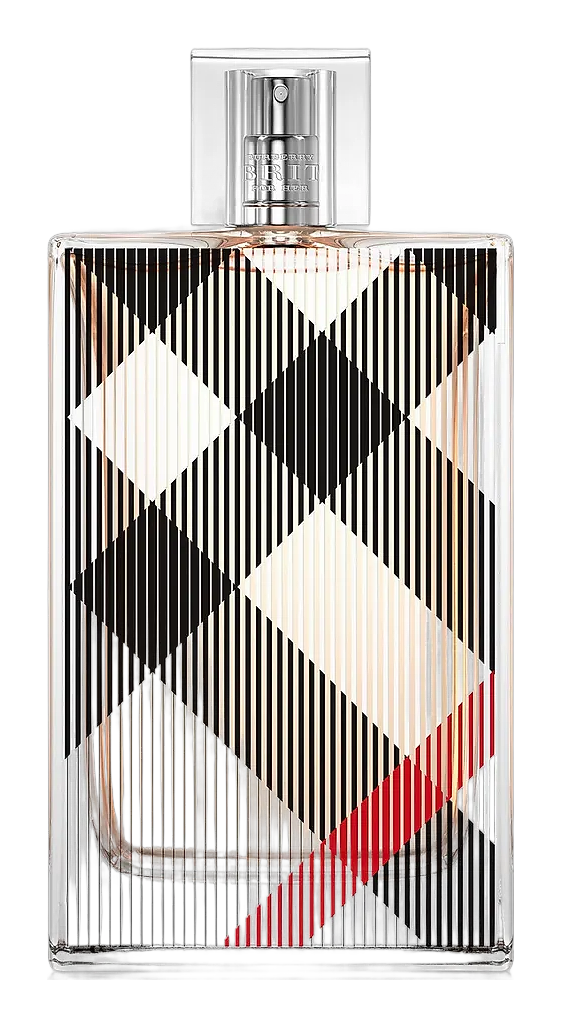
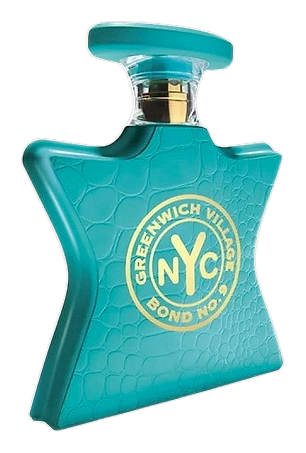
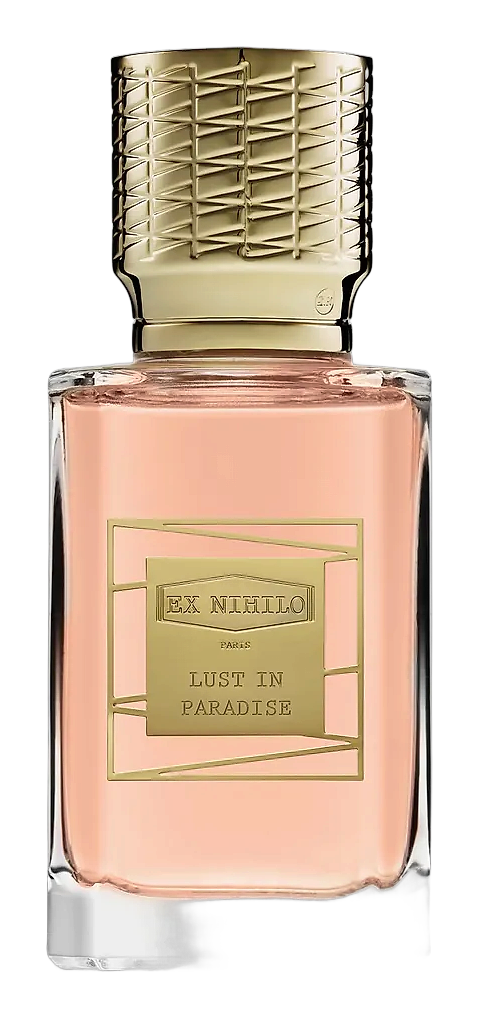
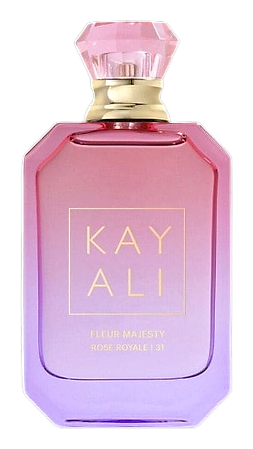
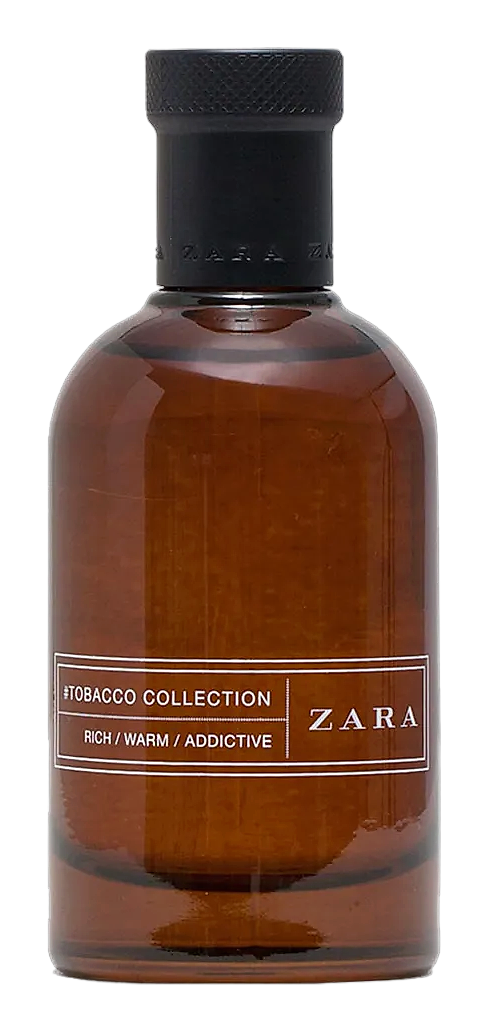
Fragrances featuring White Peony

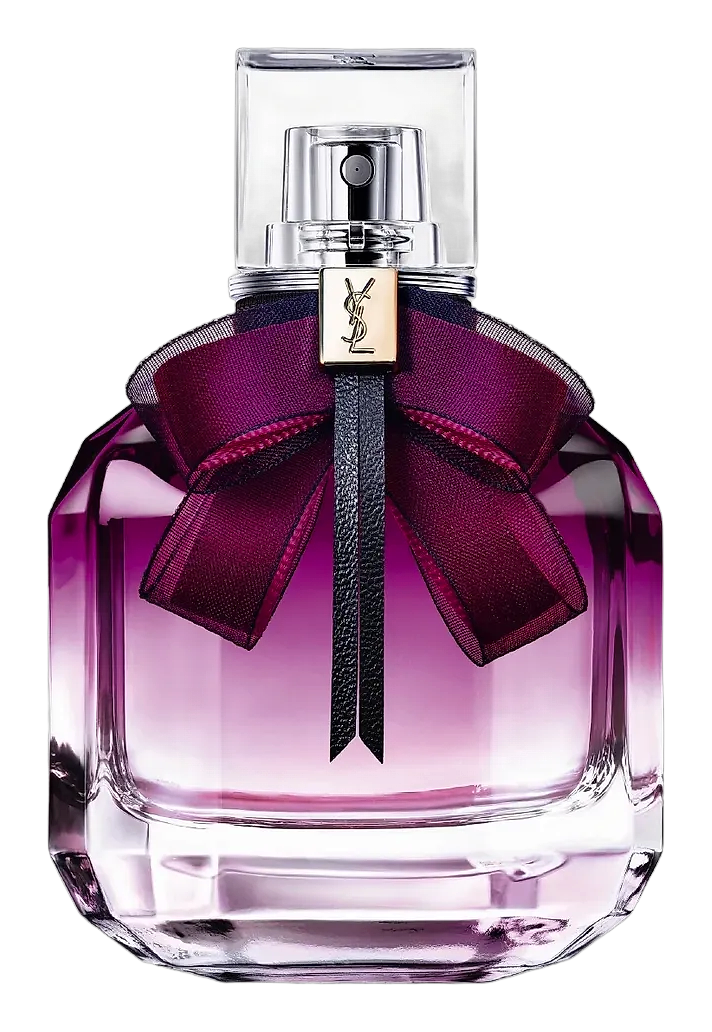
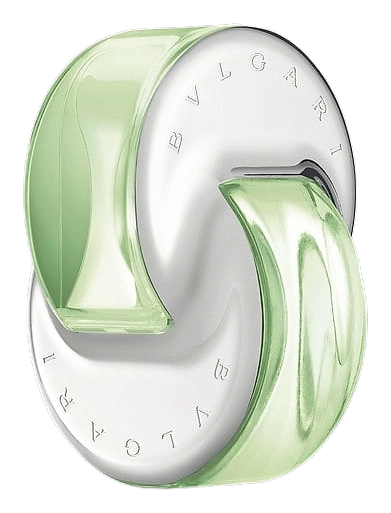
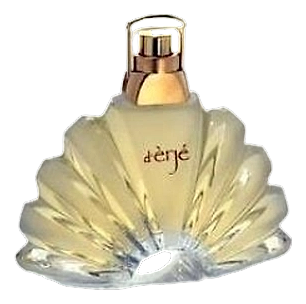

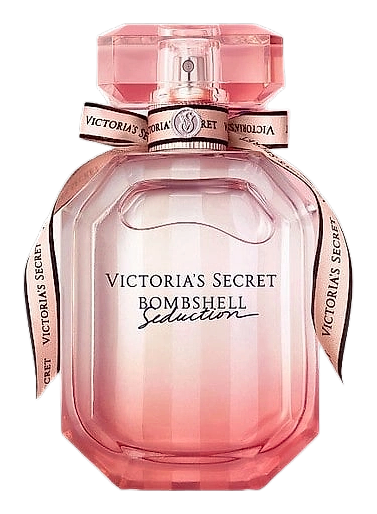
Brands
Brands known for White Peony
Good to know
Questions, answered
The essentials on White Peony in perfumery: how it smells, where it comes from, and how it behaves on skin.
What does White Peony smell like in fragrance?
White Peony reads as a light, transparent floral with soft powdery undertones, often compared to fresh rose and lily of the valley. Double-bloom varieties yield the most aromatic expression of this note.
Can peony scent be extracted directly from flowers?
No. Peony yields no essential oil through standard extraction methods. Perfumers must recreate the scent using accords combining synthetic aromatic molecules.
What flower forms produce the strongest peony scent?
Double or polypetalous peonies with numerous petals produce the strongest, most recognizable peony fragrance. These multi-petaled blooms offer the classic light, transparent, slightly powdery character perfumers seek to recreate.
What does peony represent in the language of flowers?
In Victorian flower symbolism, peonies represented bashfulness and shame, derived from Greek mythology where nymphs were believed to hide within the petals, creating this shy, retiring association.
What notes pair well with peony in fragrance composition?
Peony works harmoniously with rose, lily of the valley, jasmine, and green apple. The flower functions as a heart note, adding romantic depth to fruity compositions and elegant complexity to other floral frameworks.
How long have peonies been cultivated for fragrance?
Records show peonies grown as decorative plants in China since 200 BC during the Qin and Han dynasties. Their use in perfumery evolved alongside ornamental cultivation, spreading from East Asia across the fragrance world.
Is White Peony a natural or synthetic ingredient?
White Peony is a synthetic reconstruction. The flower cannot be profitably distilled or extracted. Perfumers combine aromatic molecules to build an accord that mirrors the delicate, garden-fresh character of peony blooms.
What extraction methods have been attempted for peony?
Steam distillation and solvent extraction yield no viable peony oil. CO2 extraction at cryogenic temperatures can capture trace floral essence but remains prohibitively expensive, making synthetic accords the industry standard.



