Pear sorbet
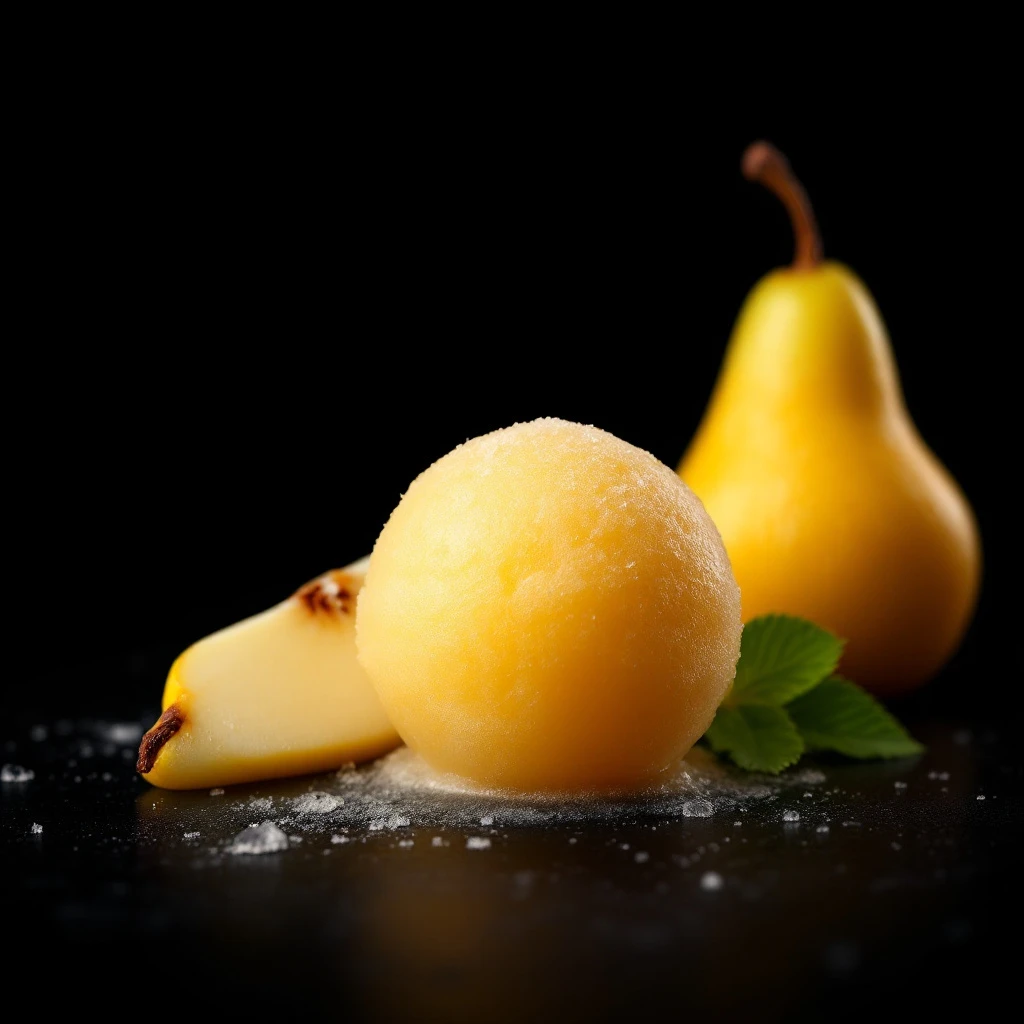
Pear sorbet captures the crisp, icy sweetness of ripe pear frozen at peak ripeness. This constructed accord blends fruity esters with cool, crystalline aldehydes for a refreshing, gourmand effect.
Character
How it smells
Frozen pear, crystallized in scent.
Pear sorbet does not exist in nature: it is a fully synthetic accord built from aroma chemicals like ethyl (2E,4Z)-2,4-decadienoate to mimic pear skin.







Origin
France
The concept of fruit sorbet as a fragrance note emerged in the late 20th century as perfumers began constructing fantastical accords beyond traditional naturals. The perfume industry, dating back over 3,200 years to Mesopotamia, had long relied on pressing, distillation, and enfleurage to capture botanical scents. But the advent of organic synthesis in the 19th century opened new territory.
Pioneers like François Coty, who popularized solvent extraction for absolutes, paved the way for a generation of perfumers unafraid of pure invention. By the 1990s, gourmand and fruity-fresh compositions demanded notes that smelled like culinary creations, not gardens. Pear sorbet became shorthand for chilled, edible luxury.
Today it sits within a family of constructed accords, including lychee sorbet and frozen mint, that owe their existence entirely to a perfumer's imagination and the chemist's bench.
Wears it best
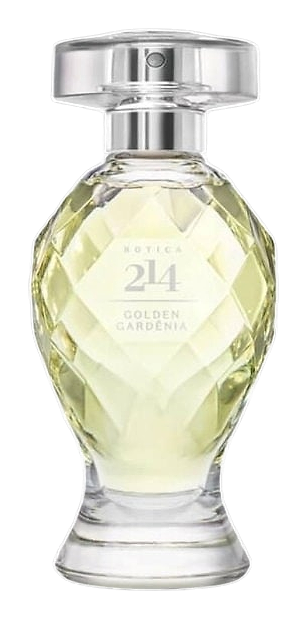
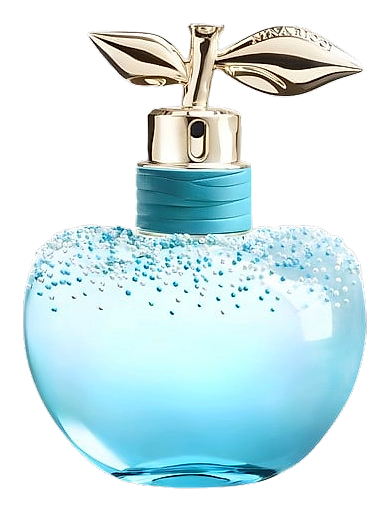
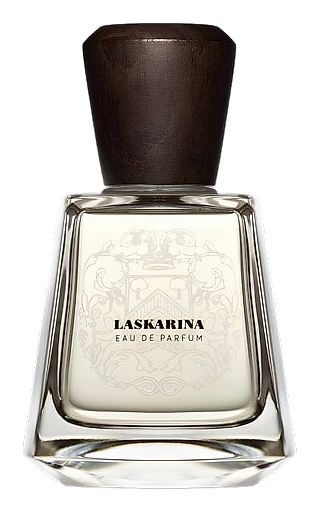
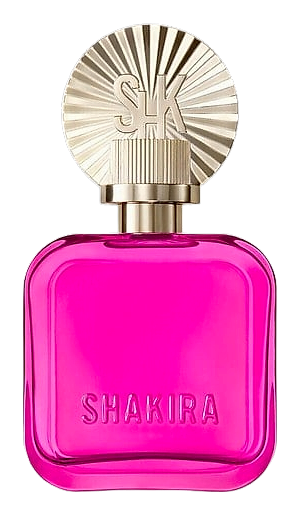
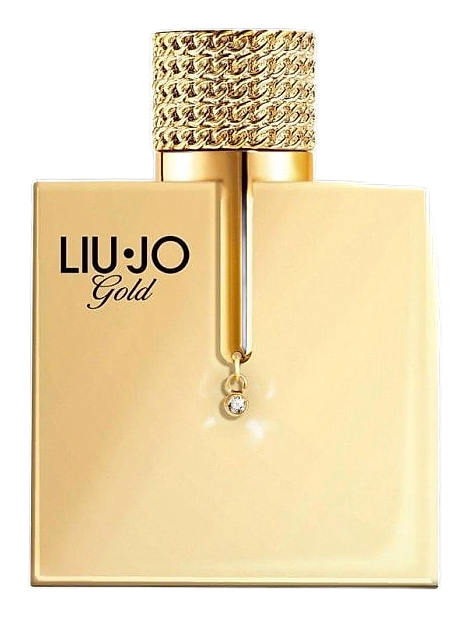
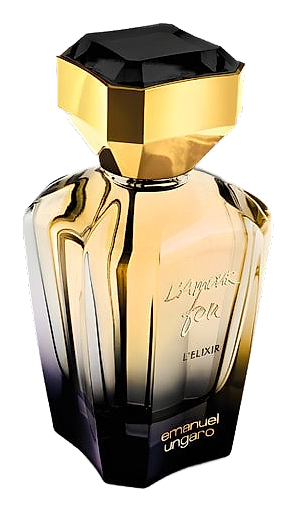
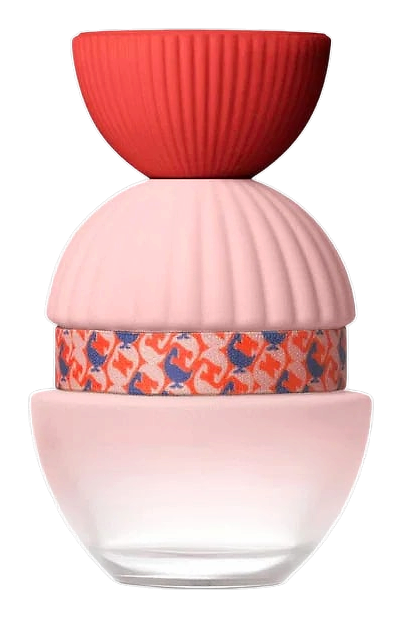
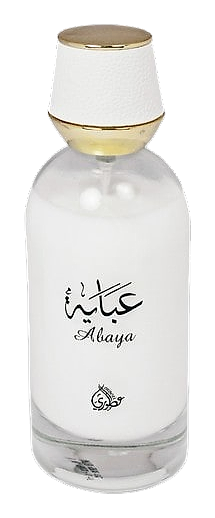
Fragrances featuring Pear sorbet
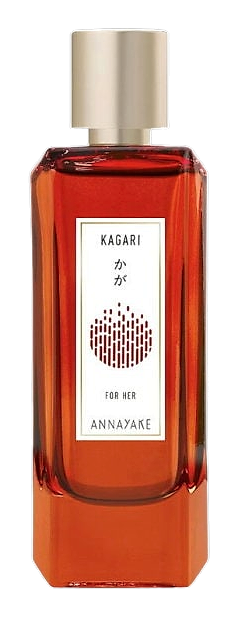
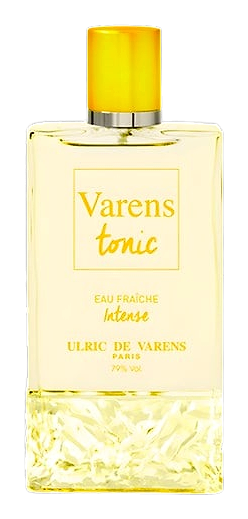
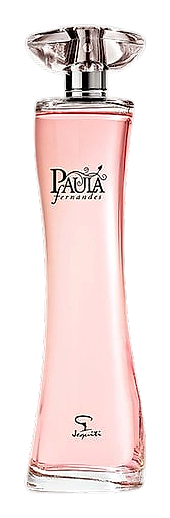
Brands
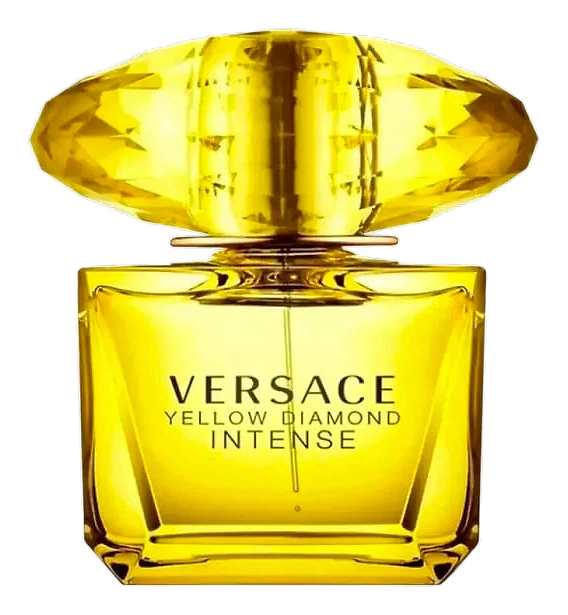
Brands known for Pear sorbet
Good to know
Questions, answered
The essentials on Pear sorbet in perfumery: how it smells, where it comes from, and how it behaves on skin.
What does pear sorbet smell like in perfume?
Pear sorbet smells like crisp, ripe pear blended with a cold, slightly creamy sweetness. It evokes frozen fruit pulp with a clean, juicy lift from added aldehydes and cooling agents.
Is pear sorbet a natural or synthetic note?
Pear sorbet is entirely synthetic. It is a constructed accord built from aroma chemicals like ethyl decadienoate, since no natural extraction reliably captures the frozen-pear effect.
Which aroma chemical creates the pear scent?
Ethyl (2E,4Z)-2,4-decadienoate is the signature compound behind fresh pear aroma. It occurs in Bartlett and Williams pears but is produced synthetically for perfumery consistency.
How is pear sorbet made for perfumes?
Perfumers blend fruit esters, lactones, and cooling molecules in an alcohol base, then age the mixture briefly. The accord relies on precise ratios rather than any plant material.
When was pear sorbet first used in fragrance?
Pear sorbet notes appeared in the late 1990s as gourmands gained popularity. The trend accelerated in the 2000s alongside fruity-fresh designer launches.
What fragrances commonly feature pear sorbet?
Pear sorbet appears most often in summer and gourmand compositions, particularly in niche and mainstream releases marketed as fresh, youthful, and edible.
Does pear sorbet last long on skin?
Pear sorbet typically lasts 1 to 3 hours. Its volatile top-note structure means it fades faster than base notes, which is why perfumers pair it with musk or woods.
Can pear sorbet be layered with other notes?
Yes. Pear sorbet pairs well with vanilla, white musk, and green tea. Perfumers often anchor it with amber or sandalwood to extend its fresh character.