The Story
Why it exists.
The beginning
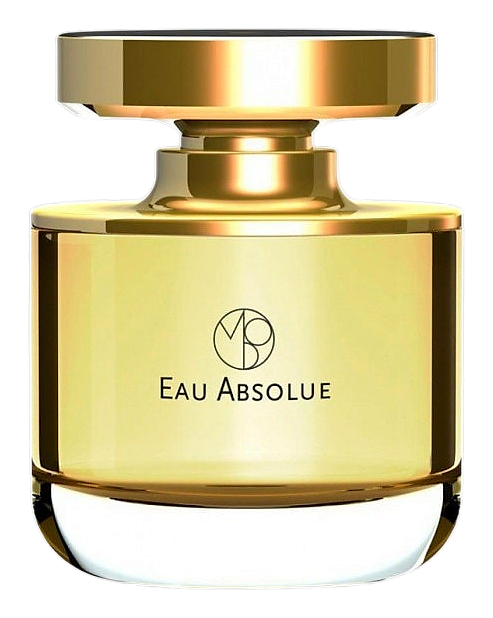
Eau Absolue was released in 2013 as part of the Les Nombres d'Or line, a collection that translates numerical concepts into scent. Di Orio approached each composition as a deliberate study, every note calibrated in careful relation to the others, weighted with the discipline of classical perfumery training. The fragrance reads as a study in balance: brightness held in tension with gravity, a structure that opens luminous and pulls steadily toward something darker and more rooted. The Sicilian bergamot and clementine sparkle across the top with a tart, almost bitter clarity, while petitgrain threads its leafy bitterness through the early minutes, keeping the sweetness in check.
The note structure rewards a second look. Two distinct vetivers, Java and Haitian, sit side by side in the heart, one bringing earthy root, the other a greener smoke. Petitgrain and litsea cubeba double up the bitter-citrus register while geranium bridges citrus and herb. It's a composition built on pairs, echoes, and contrasts, very much in line with di Orio's stated philosophy of light playing against shadow. The labdanum in the base isn't there to sweeten; it's there to anchor the citrus so the whole thing doesn't fly apart.
The evolution
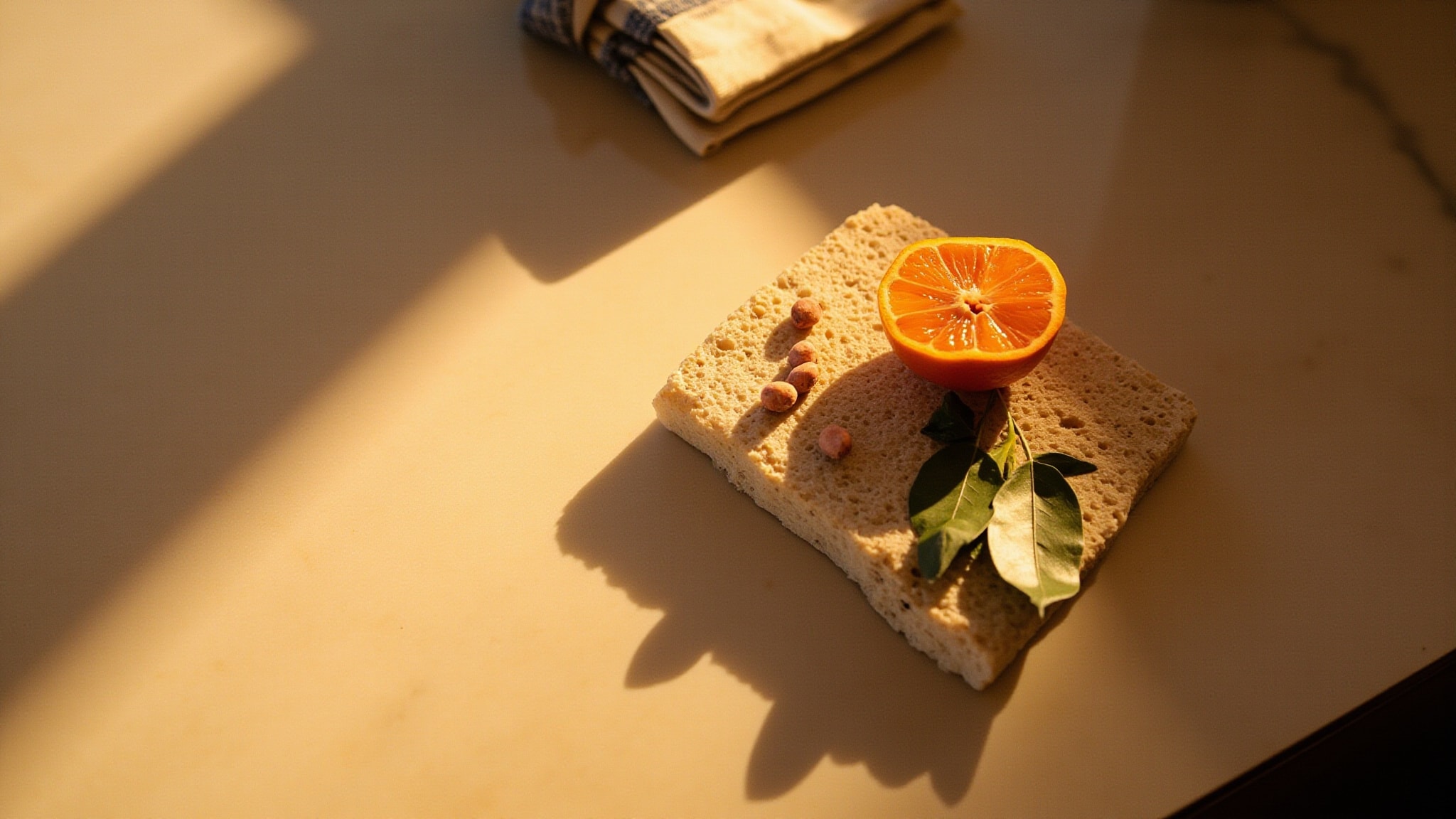
The opening belongs to Sicilian bergamot and clementine, which arrive sharp and almost tart, like biting into cold fruit. Petitgrain threads through early, adding a leafy bitterness that keeps the sweetness honest. The citrus doesn't vanish; it gets swallowed by something greener as the minutes pass. Java vetiver rises with its damp root character, followed by bay leaf's herbal coolness and the faint peppery snap of pink pepper. Geranium shows up quietly here, a floral bridge that nobody notices until it's gone. The middle phase runs warm and dry, with Haitian vetiver lending its smoky undertone to the composition. Then comes the turn. Labdanum thickens the blend into something almost resinous, a slow accumulation of weight and texture that pulls the scent closer to the skin.
Cultural impact
Wearers often reach for Eau Absolue when they want the structure of a classic cologne with more shadow underneath. It carries the dry, rooty sensibility that distinguishes it from brighter citrus compositions, pulling toward vetiver and cedar as it wears rather than retreating into clean freshness. The fragrance holds its own among niche releases of its era, distinguished by a refusal to remain luminous throughout its development. Where many citrus-forward scents dissolve into skin and disappear, Eau Absolue deepens, trading its initial sparkle for something earthier and more enduring.