
The Story
Why it exists.
The beginning
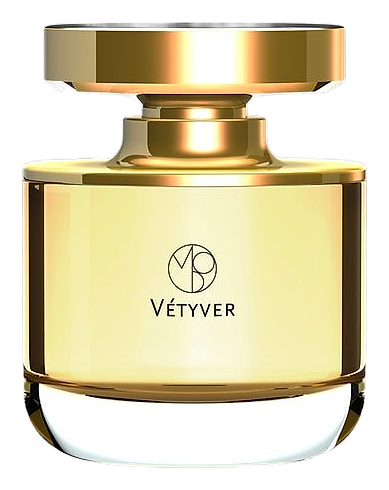
Mona di Orio built Vétyver around a single material she clearly loved: Bourbon vetiver, the earthy-smoky heartwood of a tropical grass. For the opening, she reached for blue ginger from Madagascar and Argentinean grapefruit, a bright, concentrated citrus that doesn't beg for attention. The contrast was deliberate. She wanted the mineral and the fresh to occupy the same skin without cancelling each other out. Labdanum and nutmeg flesh out the middle, adding warmth and spice. Clary sage absolute seals the drydown with something bitter and green, a signature di Orio gesture, that juxtaposition of shadow against light. Released in 2011, Vétyver was the last fragrance she completed before her passing that same year. It stands as a quiet culmination: everything she understood about building scent in layers, each one arriving only when the last has had its moment.
What makes Vétyver unusual is how it handles the vetiver problem. Most fragrances built around this material lean into its smoky, earthy depth, they want the vetiver to announce itself. di Orio did the opposite. The grapefruit and blue ginger open sharp and almost medicinal in their freshness, creating the hallucination of the actual root under your nose. The vetiver doesn't arrive immediately. It waits. When it finally settles in around the 20-minute mark, it does so with a dryness that feels earned, not imposed. The clary sage absolute is doing something similar at the other end, adding a slightly bitter, herbaceous counterpoint that keeps the base from becoming sweet or heavy.
The evolution
The opening is a quick study in contrasts. Grapefruit zest hits first, concentrated, not juicy, followed immediately by the clean heat of blue ginger. That combination reads almost minty in its precision, like walking into a room that smells of fresh root and citrus oil. It doesn't linger. Around the 15-to-20-minute mark, the vetiver begins its slow arrival. Earthy, patient, finally taking its seat as the citrus recedes. Labdanum and nutmeg layer in, adding a resinous warmth that keeps the composition from feeling skeletal. The drydown belongs to clary sage and patchouli, slightly bitter, green, close to the skin. Six to eight hours later, it's still there. Not projecting. Not asking. Just refusing to leave.
Cultural impact
Vétyver found its audience among those who had moved past projection and into depth. Released in 2011, it arrived as the house's final completed work from Mona di Orio herself, a fact that inevitably shaped how collectors received it. The scent rewards patience: its mineral-dry character doesn't announce itself, and those who wore it understood that the reward was in the wearing, not the entrance. Community reviewers consistently describe it as the fragrance of someone who doesn't need to be noticed. It's been compared favorably to Chanel Antaeus and Tauer Perfumes' Vetiver Dance, fragrances that share its commitment to restraint and complexity. The discontinuation has only sharpened its appeal among collectors who seek depth over display.
The House
Mona di OrioMaison Mona di Orio emerged from a meeting between a classically trained French perfumer and a Dutch designer united by their passion for art and artisanal craft. Founded in Amsterdam in 2004, the house built its reputation on fragrances that bridge the golden heritage of 1920s and 1930s perfumery with a distinctly modern sensibility. Each scent plays with contrasts: light and shadow, sparkle and depth, the ephemeral and the enduring. The untimely passing of founder Mona di Orio in 2011 left a significant void, yet her vision continues through her partner Jeroen Oude Sogtoen and in-house perfumer Fredrik Dalman.
The Creator
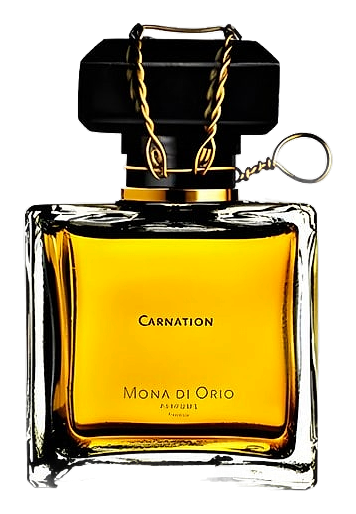
Mona di OrioHer signature emerged from classical training applied to unconventional choices. Carnation opened doors for many, its clove-spiced warmth demonstrating her comfort with assertive florals often deemed too difficult for modern noses.