Argentinean Grapefruit
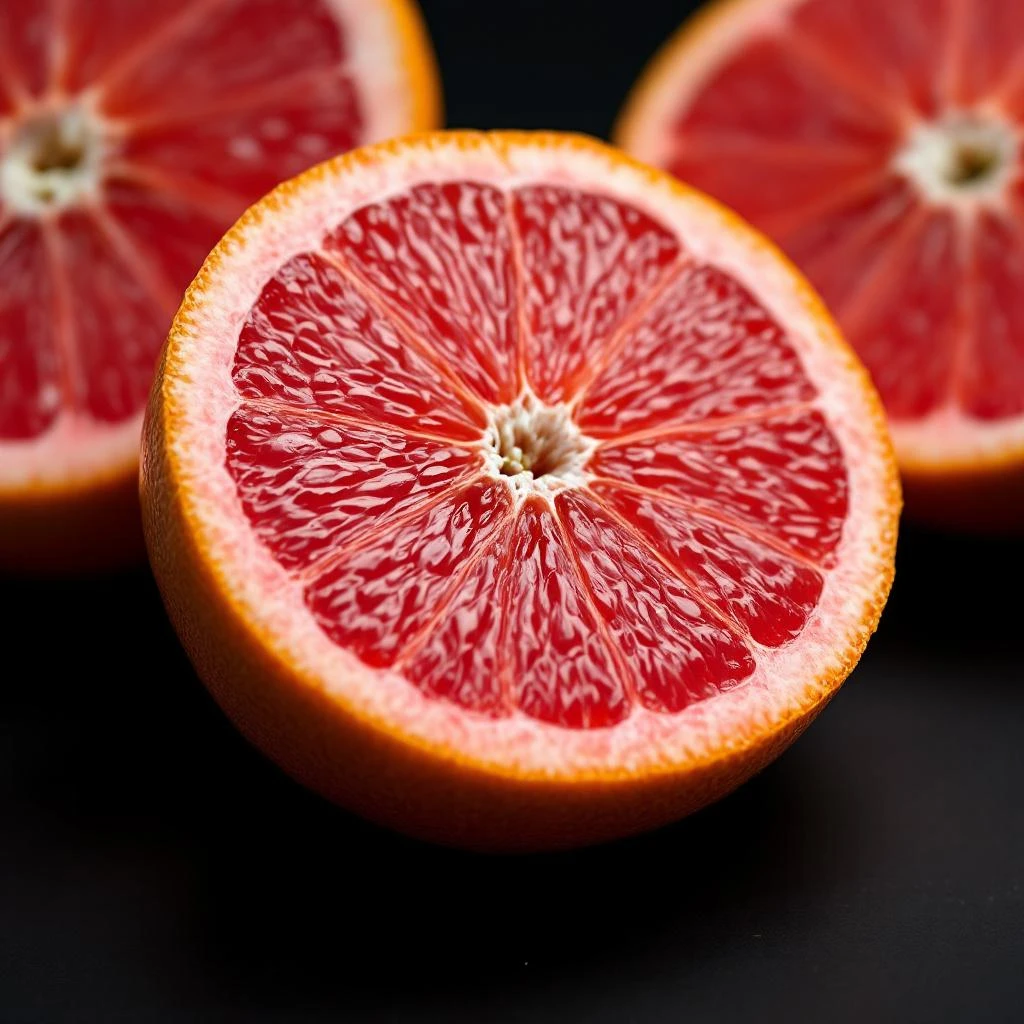
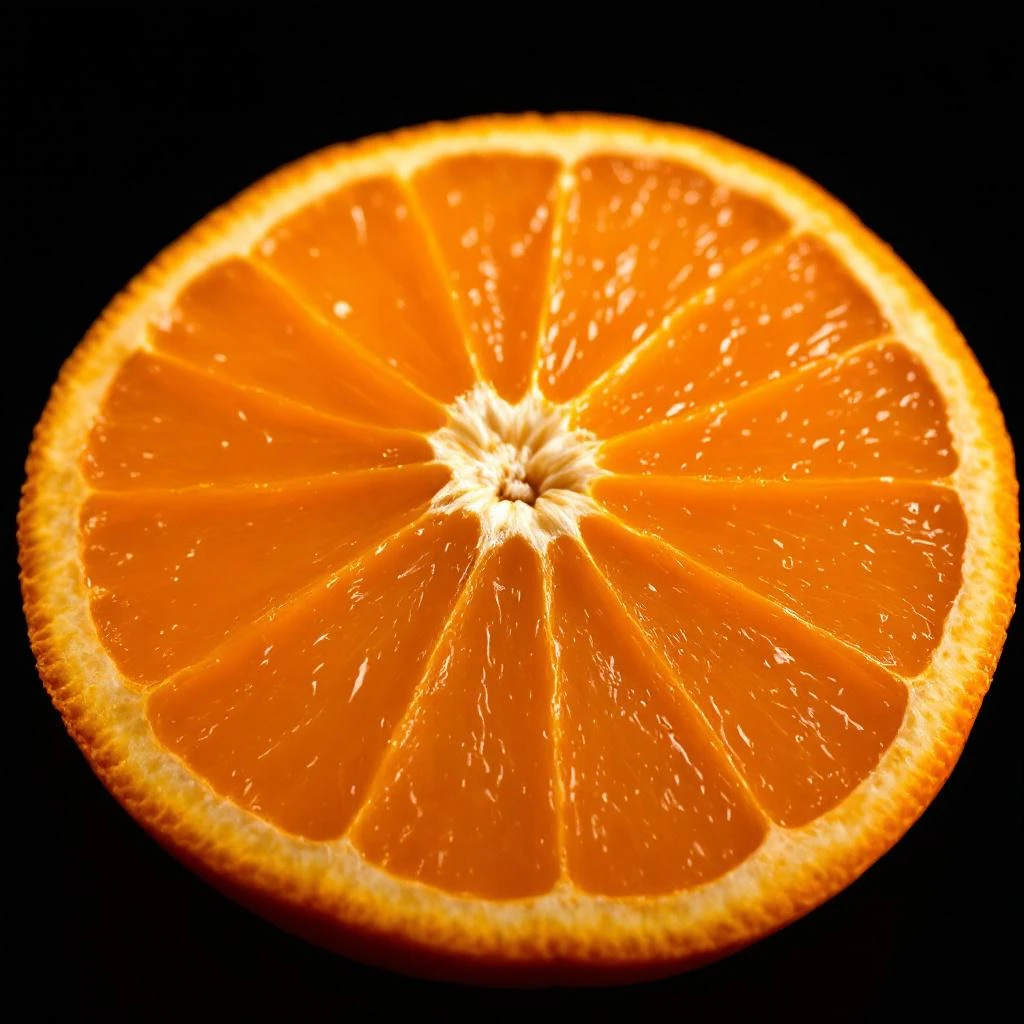
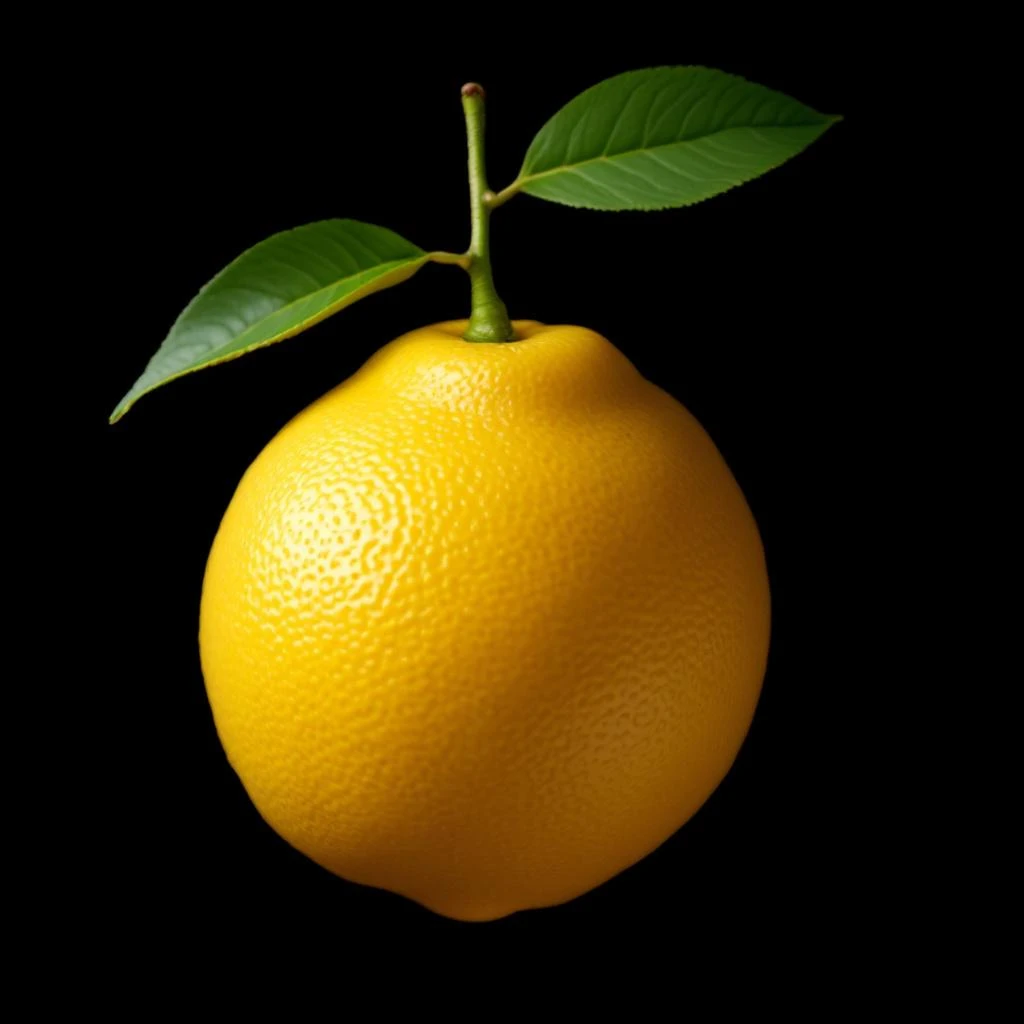
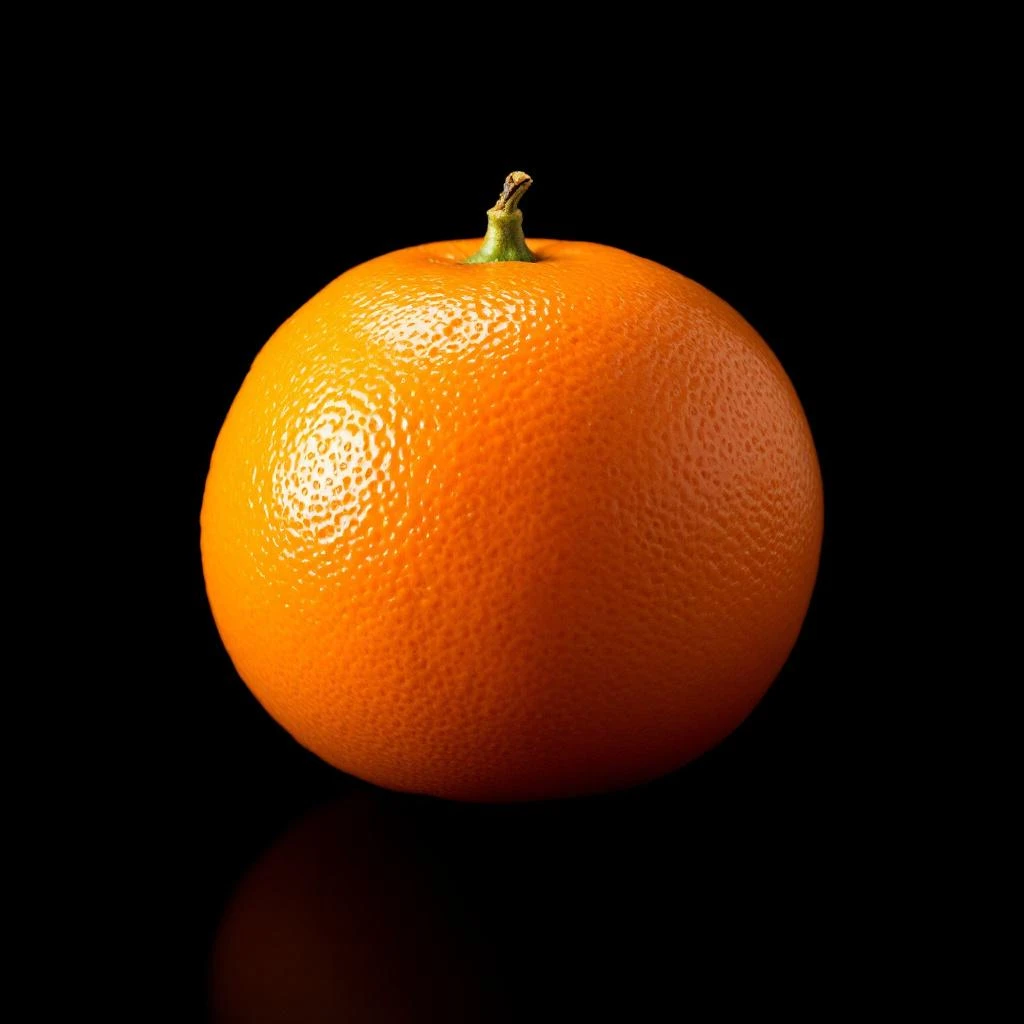
Argentinean grapefruit delivers a vivid bitter-sweet peel, bright tartness, and a clean green lift that makes it a prized top note in modern perfumery. Cold-pressed from sun-ripened fruit grown in Argentina's subtropical orchards, this citrus material balances tart vibrancy with a soft, sun-kissed sweetness.
Character
How it smells
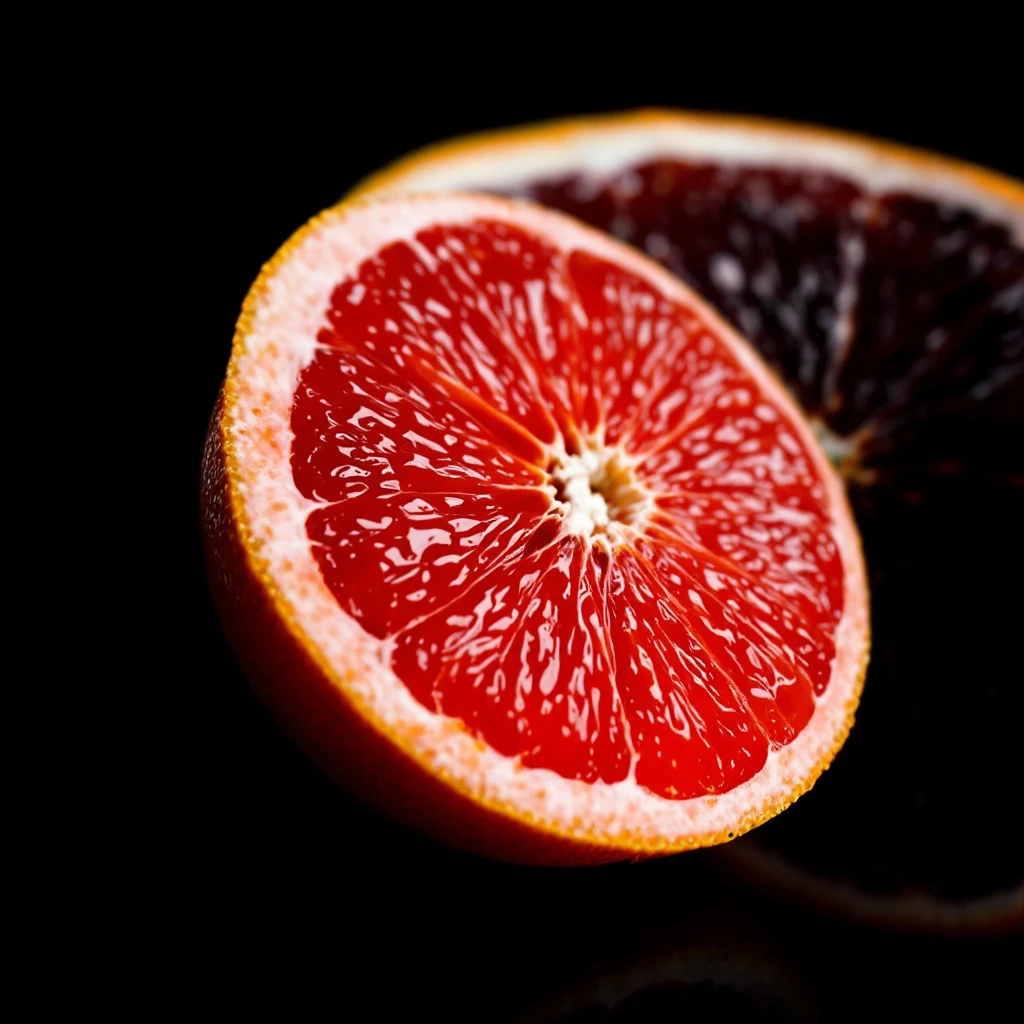
Bitter-sweet brightness from sun-drenched subtropical groves.
Legend credits Captain Phillip Shaddock of the 17th-century East India Company with introducing pomelo seeds to the Caribbean, a fruit that would eventually hybridize into the grapefruit we know today.







Origin
Argentina
Grapefruit traces its lineage to Captain Phillip Shaddock of the East India Company, who carried pomelo seeds from Southeast Asia to the Caribbean in the 17th century. The pomelo hybridized with sweet orange on the island of Barbados, producing the first grapefruit specimens by the 1750s.
Named for how the fruit grows in clusters resembling grapes on the branch, grapefruit spread through the Caribbean and Florida, where commercial cultivation took off in the early 20th century. Argentina emerged as a major citrus producer in the latter half of the 1900s, developing subtropical growing regions in its northern provinces with ideal conditions for grapefruit cultivation.
Argentinean growers focused on producing fruit with thick skins rich in aromatic compounds, making the region a preferred source for perfumery-grade essential oil. The fruit that traveled from an East India Company captain's cargo hold to Caribbean shores now grows in vast orchards thousands of miles away, feeding a global fragrance industry that prizes its peel for its vivid, uplifting top note.
Wears it best
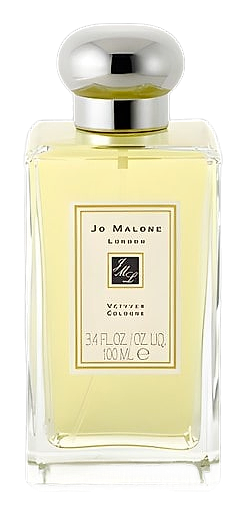
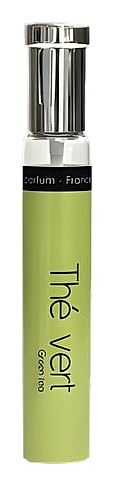
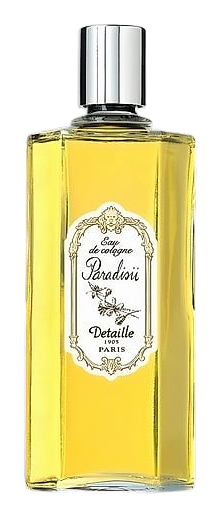
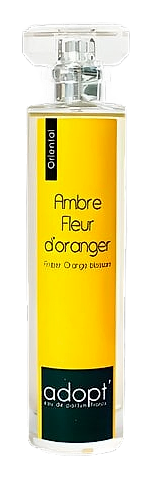
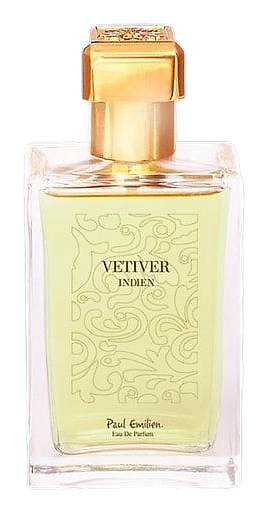
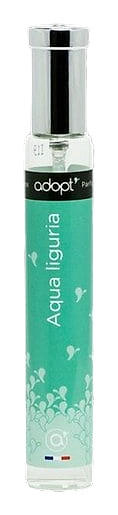
Fragrances featuring Argentinean Grapefruit

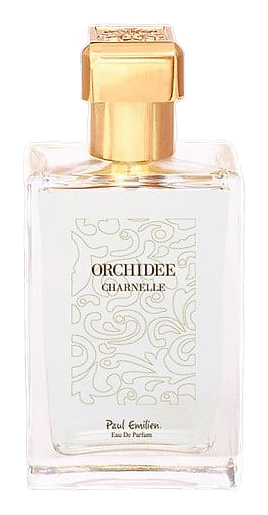
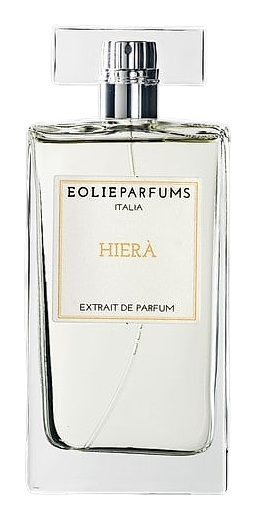
Brands
Brands known for Argentinean Grapefruit
Good to know
Questions, answered
The essentials on Argentinean Grapefruit in perfumery: how it smells, where it comes from, and how it behaves on skin.
What does Argentinean grapefruit smell like in perfume?
Argentinean grapefruit smells zesty, bitter-sweet, and bright with a clean green edge. It registers as tart citrus with a soft sweetness underneath, making it one of the most recognizable top notes in modern fragrance. Nootkatone gives it a distinctive bitter backbone that sets it apart from sweeter citrus materials.
What makes Argentinean grapefruit distinct in perfumery?
Argentina's subtropical climate and fertile soils produce grapefruit with thick, oil-rich peels and consistently high nootkatone content. The resulting essential oil carries a bright, well-balanced bitter-sweet profile that fragrance houses value for its uniformity across production batches.
Where does grapefruit rank among citrus perfume ingredients?
Grapefruit ranks among the top five most-used citrus materials in contemporary perfumery. It appears predominantly in top notes, where its immediate brightness creates an opening impression. Approximately 40% of designer fragrances launched in the past two decades feature grapefruit in their composition.
What compounds give grapefruit its characteristic scent?
Two compounds define grapefruit's aroma: nootkatone provides the bitter, woody-citrus backbone, while d-limonene delivers the sweet, rounded citrus body. Together they create the fruit's signature bitter-sweet profile that reads as both tart and refreshing on the skin.
How is grapefruit essential oil extracted for perfumery?
Grapefruit oil is extracted by cold pressing the fruit peel. Machines puncture the peel surface, then centrifugal force ruptures the oil glands. The oil separates from the juice emulsion and undergoes distillation to remove furanocoumarins, which can cause photosensitivity.
What fragrance families pair well with grapefruit?
Grapefruit pairs naturally with aquatic, green, and white floral fragrance families. It amplifies citrus companions like bergamot and lemon, softens around rose and jasmine, and adds lift to woody bases like cedarwood and vetiver without overpowering them.
Is grapefruit oil natural or synthetic in perfumery?
Both natural and synthetic forms exist. Natural grapefruit oil comes from cold-pressed peel, while synthetic nootkatone replicates the key aroma molecule in laboratories. Natural oil retains a broader volatile profile, but synthetic options offer consistency and cost efficiency for large-scale formulations.
When did grapefruit become important in perfumery?
Grapefruit essential oil entered perfumery in 1933 when Florida produced its first batches. The fruit transitioned from kitchen staple to fragrance ingredient over the course of a single decade, and by the 1950s it had become a standard top note in masculine and unisex compositions.