
The Story
Why it exists.
The beginning
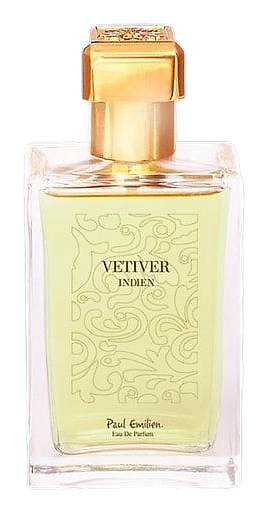
Paul Emilien designed Vetiver Indien around a single material with a specific character: vetiver, chosen for its earthy depth rather than any polished smoothness. The vetiver anchor sets the tone, allowing supporting notes to orbit around it without ever overshadowing its natural character. There's an intentionality in how the fragrance unfolds, letting the woody, mineral qualities of the core material speak first. The name is the proposition. This is a vetiver fragrance, not a citrus fragrance that happens to contain vetiver.
The note count is unusual here, five top notes is a lot of opening. But that's the point. The citrus layer isn't a quick flash. It's sustained: lemon, mandarin, grapefruit, mint, elemi. They don't compete so much as layer into a single bright impression that lasts well into the heart phase. The vetiver enters not as a correction but as a continuation, the conversation simply moves to lower ground. What makes this worth noting is that the vetiver is allowed to smell mineral and slightly smoky, not just earthy.
The evolution
The opening is citrus and cool mint, a Mediterranean brightness that arrives all at once. The citrus sparkles sharply against the mentholated coolness, creating an immediate freshness that feels crisp and expansive. For a while the citrus dominates, sharp and sparkling, before the heart begins to announce itself. The heart is where the structure shows: sandalwood's warmth against lavender's softness, with black pepper providing dry spice that keeps the floral elements from going pretty. The violet is a surprise here, a quiet elegance in a composition that could have gone masculine or sharp. Then the base. Vetiver takes over, but the journey matters. What arrives on skin is mineral-heavy, with myrrh's slight bitterness and amber's warmth creating a drydown that stays close. The oakmoss is subtle, present as a textural element rather than a statement. The arc isn't dramatic.
Cultural impact
Vetiver Indien arrived at a time when independent houses were redefining what vetiver could be beyond the classic masculine archetypes established decades earlier. Paul Emilien's approach to the material reflected a commitment to showcasing vetiver's versatility, building a composition where the earthy, smoky qualities could anchor lighter notes without being buried beneath them. The fragrance found its audience among those seeking something that felt both modern and rooted, a balance between restraint and presence.