Arabian Elemi
A rare pale yellow resin from the Philippines, elemi offers a fresh, citrusy aroma with subtle spicy warmth. It bridges the gap between traditional resins and modern aromatic ingredients.

Character
How it smells
Tropical resin, fresh and aromatic
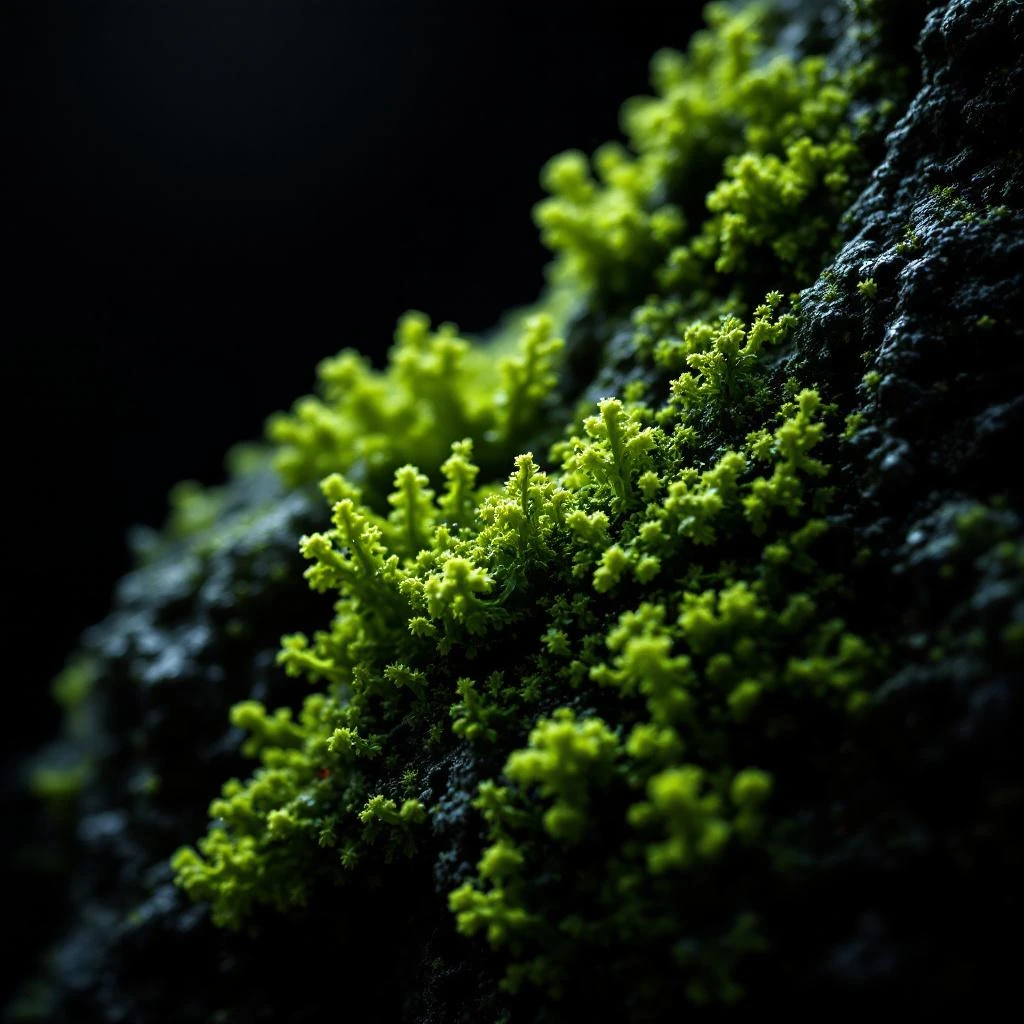
Filipino harvesters call the moment resin appears 'the tree crying'—a poetic description of how elemi naturally weeps from incision wounds in the bark.






Origin
Philippines
The name elemi traces back to the Arabic term 'Al-Lamy,' meaning 'above' or 'in the high place,' a reference to the resin's historical use in elevated religious contexts. Filipino jungle communities have tapped elemi from wild kenari trees for centuries, though this practice remained obscure to Western markets until colonial traders recognized its aromatic potential. The resin belongs to the Burseraceae family, the same botanical group as frankincense and myrrh, which explains its warm, balsamic character and its role in ancient incense traditions.
When Arab traders introduced it to Mediterranean perfumery during the medieval period, it quickly earned a reputation as a versatile middle note that bridges aromatic families. Today, the Philippines remains the primary source of true elemi, though sustainable harvesting practices face pressure from deforestation and changing land use in the species' native habitats.
Wears it best
Fragrances featuring Arabian Elemi
Brands
Brands known for Arabian Elemi
Good to know
Questions, answered
The essentials on Arabian Elemi in perfumery: how it smells, where it comes from, and how it behaves on skin.
What does Arabian Elemi smell like?
Elemi presents a fresh, citrusy aroma with lemon and orange blossom qualities, balanced by warm, balsamic undertones that recall frankincense. Its spiciness adds a subtle peppery dimension, creating a versatile note that works as both a top and middle note in compositions.
Where does elemi originate geographically?
Elemi comes exclusively from Canarium luzonicum trees growing in the humid forests of the Philippines, particularly in Mindoro, Luzon, and surrounding islands. The tropical climate and rich soil of these regions produce the oleoresin that becomes elemi after careful tapping by local harvesters.
How is elemi resin harvested sustainably?
Skilled harvesters tap trees by making shallow diagonal cuts in the bark, allowing the resin to weep out over several hours. They collect from each tree only once per season, leaving adequate recovery time between harvests. This traditional method protects tree health while ensuring the resin maintains its aromatic integrity.
What fragrance families pair well with elemi?
Elemi bridges citrus, spicy, and resinous families seamlessly. It combines naturally with bergamot, lemon, and grapefruit in fresh compositions, while supporting warm accords of frankincense, myrrh, and benzoin in richer blends. Oriental and woody fragrances particularly benefit from its aromatic versatility.
Is elemi related to frankincense or myrrh?
Elemi belongs to the Burseraceae family, the same botanical group as frankincense and myrrh, which explains their shared warm, balsamic character. However, elemi differs in its brighter, more citrus-forward aroma, making it lighter and fresher than its resinous relatives.
How long has elemi been used in perfumery?
Filipino communities have harvested elemi for centuries, but Arabian and Mediterranean perfumers adopted it during the medieval period following trade route expansion. Its documented use in European fine fragrance dates back to at least the 17th century.
Does elemi appear often in modern fragrances?
Elemi serves as a supporting note in numerous fragrances rather than taking center stage. Niche perfumers favor it most often, using its bridging qualities to connect disparate accord groups. High-end compositions from houses like Armani, Lalique, and Serge Lutens feature elemi in their palettes.
What makes elemi particularly valuable in perfumery?
Elemi functions as a natural bridge note, connecting bright top notes with deeper base accords while adding aromatic complexity. Its dual nature—fresh and warm simultaneously—allows perfumers to create fragrances that feel both energizing and grounded without relying on synthetic alternatives.