Paul Emilien
Paul Emilien entered the world in 1966 amid the rolling hills of the Cévennes. Early on he traded crayons for canvases, letting drawing and painting set the rhythm of his days. The colors he mixed on paper soon begged for a scent counterpart, and he answered that call in a modest home laboratory. Without a formal diploma, he taught himself the chemistry of aroma, measuring each drop with the same precision he once applied to brushstrokes. After years of private experimentation, he launched the eponymous Paul Emilien brand, turning his living‑room lab into a boutique atelier. The collection quickly earned the respect of niche enthusiasts, accumulating more than two hundred ratings that hover around a solid seven‑point‑five. Today his studio in Montpellier hums with the same curiosity that guided his first sketches, and his social feed hints at new chapters on the horizon.
The hits
Notable creations
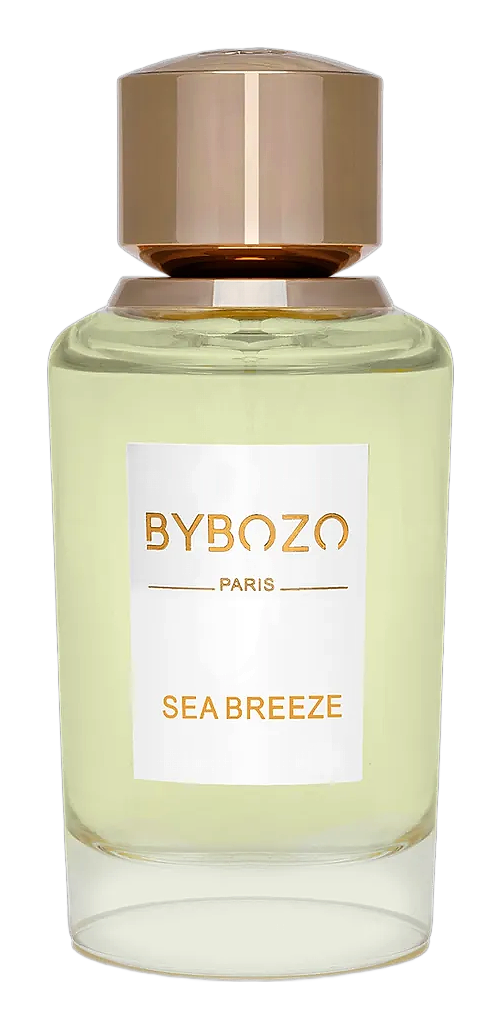
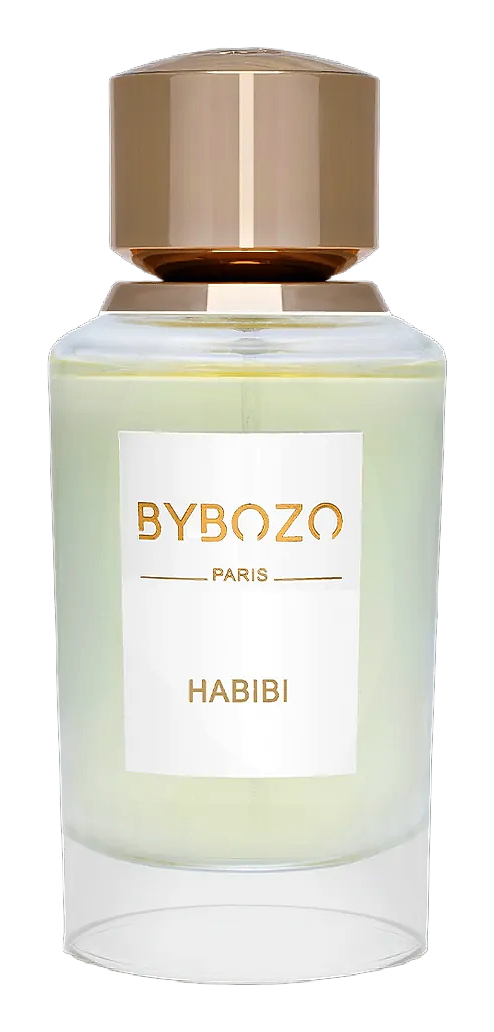
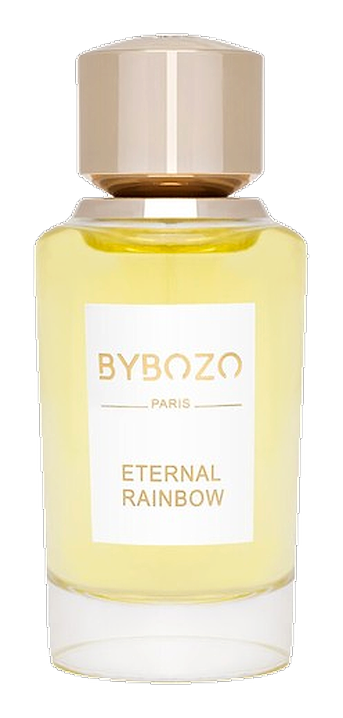
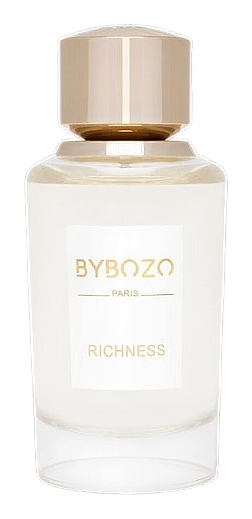
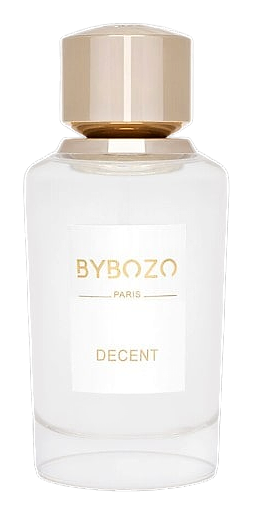

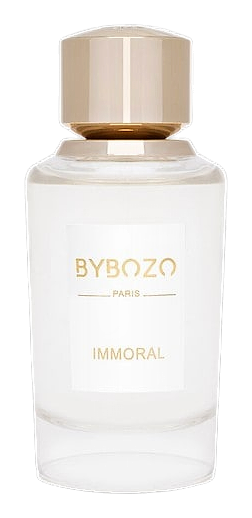
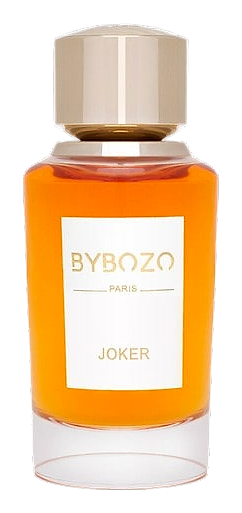


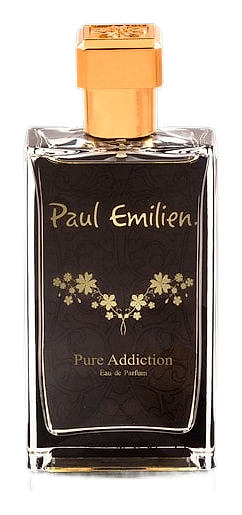
The signature
How Paul composes
In the studio, Emilien favors a hands‑on approach, blending ingredients directly in glass beakers rather than relying on pre‑made accords. He leans toward natural extracts—lavender, cedar, citrus zest—paired with select synthetics that add depth without overwhelming the core. Light, airy top notes often give way to richer, resonant bases, mirroring the way a painting moves from bright foreground to shadowed background. He frequently revisits classic structures, then injects an unexpected twist—a single green leaf accord or a fleeting metallic spark—that sets his work apart. The result feels both familiar and startlingly new, a signature that collectors recognize instantly.
Philosophy
What drives Paul
Emilien treats fragrance as a visual language, translating the mood of a painting into a scent that can be inhaled. He believes that a perfume should capture a fleeting feeling and freeze it in amber, allowing the wearer to revisit that instant whenever they choose. Inspiration arrives from everyday moments—a sunrise over the Cévennes, the texture of aged paper, a whispered conversation. He gathers these impressions, distills them, and lets the composition speak for itself. For Emilien, the act of creating is less about market trends and more about honoring the authenticity of the moment that sparked the idea.
The houses