The Story
Why it exists.
The beginning
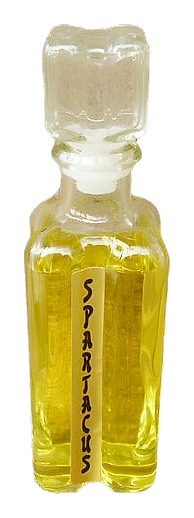
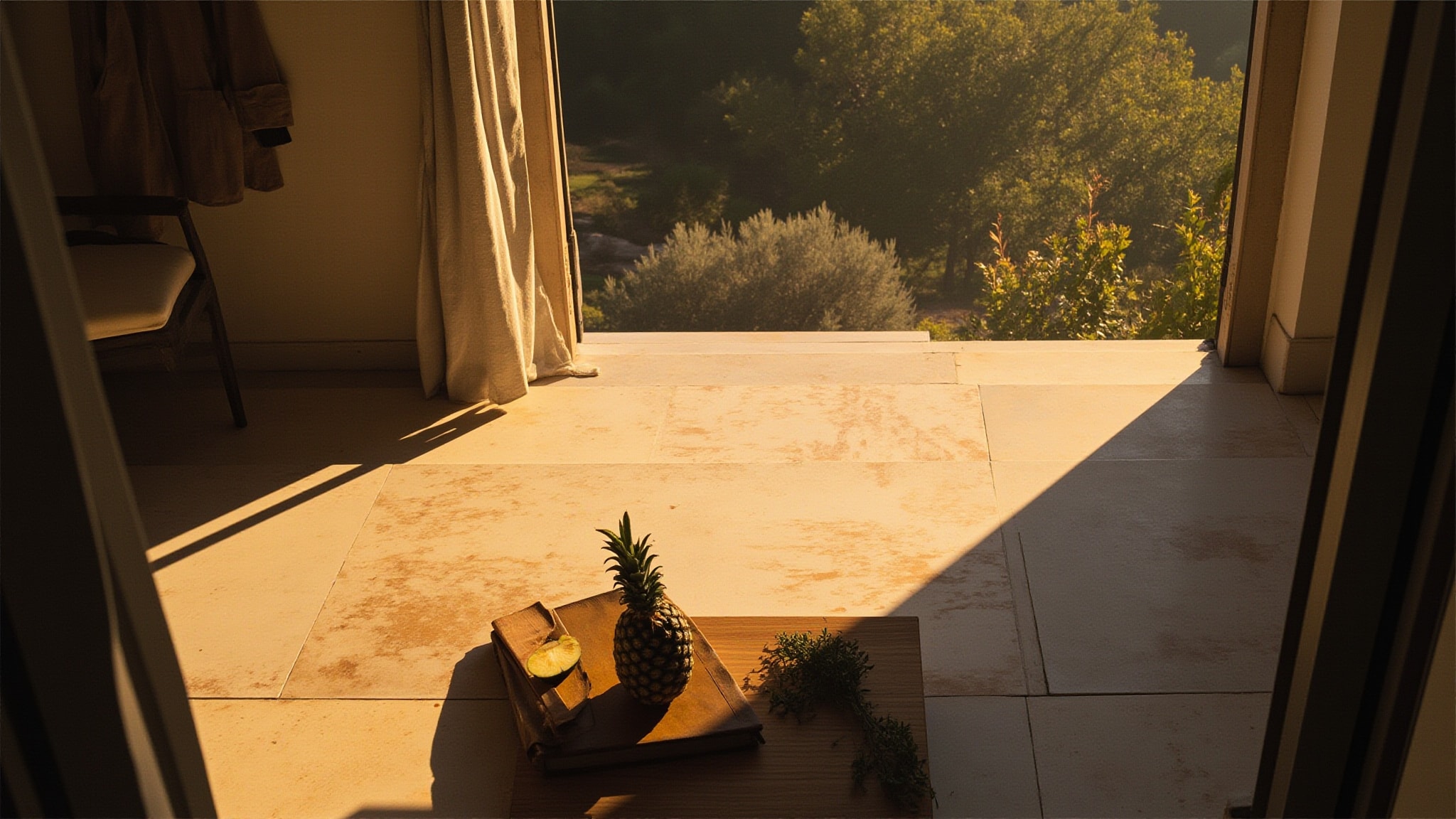
The Thracian gladiator who refused captivity. The name alone carries weight, history's most famous rebel, chosen by an Italian house in 1970, an era when Italian perfumery was building its own identity with assertive, character-driven compositions. The naming was the first statement. The scent was the second. Bergamot and pineapple open bright and tart, citrus fruitiness that announces arrival the moment it touches skin. No asking permission. The fougère heart follows: green, aromatic, complex. Not a softening. A deepening. Lavender, juniper, and cloves carry the middle like a declaration of presence, this is who you are, take it or leave it. Amber and geranium settle underneath, warm and powdery, the signature that lingers after the conversation ends. Spartacus was made for those who understand that certain names mean something. And that the right fragrance should mean something too.
The note structure tells you everything about the intent. Bergamot and pineapple at the top, that's not a quiet entrance. That's a citrus-fruity brightness that demands attention. Fougère as the heart note is where it gets interesting. Classic fougère architecture (lavender, geranium, oakmoss, coumarin) typically aims for refinement. Here, Parfico pushed the herbal and aromatic qualities, juniper, cloves, sandalwood, to make the heart feel less polished and more characterful. The geranium in the base isn't a mistake, it's intentional. Geranium adds a green, slightly rose-like facet that keeps the warmth from becoming predictable. It threads through the amber instead of sitting on top of it.
The evolution
The opening hits like a cold plunge, bergamot's citrus bite, pineapple's tropical sweetness, the green fern quality of fougère asserting itself. That initial burst lasts maybe fifteen minutes before the ferns take over, turning herbal and slightly bitter. Not unpleasant. Just more complex than the first impression suggested. The heart arrives quietly, actually. Lavender shows up first, cool and measured, before juniper adds its gin-like sharpness and cloves bring warmth that cuts through the green. Sandalwood softens everything into a creaminess that builds slowly. The base arrives around the one-hour mark: amber and geranium, warm and powdery, settling close to the skin. This is where it lives the longest, four to six hours of quiet warmth that you catch occasionally when you move. The geranium doesn't disappear. It lingers near the pulse, floral and green underneath the amber sweetness. The sillage drops off after the first hour, becoming intimate. You're aware of it. Everyone else is not, unless they lean in.
Cultural impact
Spartacus attracts those who understand that certain names carry weight. It's a statement for the wearer who chooses based on character rather than trend, the kind of person whose worldliness comes from curiosity, not inventory. The discontinued status adds appeal for those willing to seek it out. That boldness, natural in 1970, now reads as a deliberate choice, a way to stand apart from safer options. For those who want it, Spartacus offers something that still feels genuine in a market that often plays it safe.