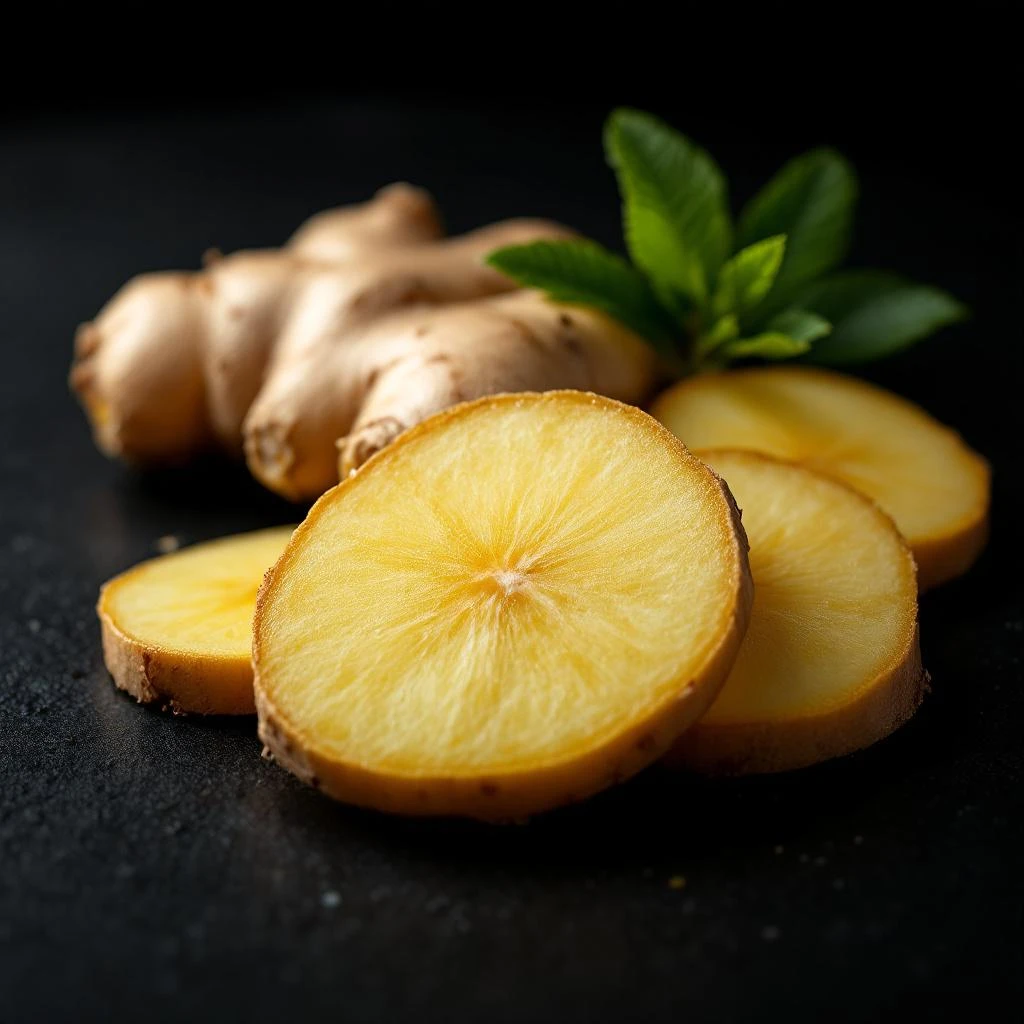
Blue Ginger
Blue Ginger brings a luminous, spicy-floral warmth to compositions, offering aromatic depth that bridges fresh and warm accord families with remarkable versatility.
Character
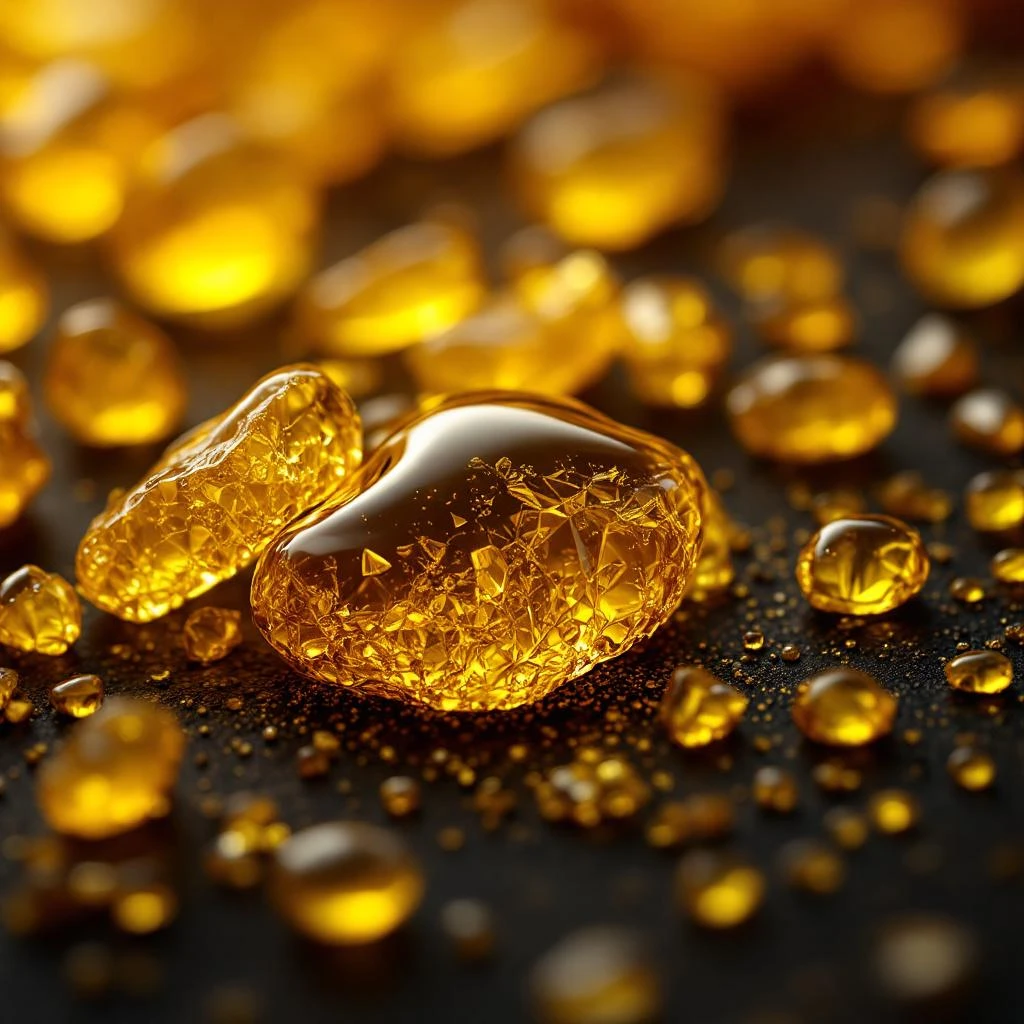
How it smells
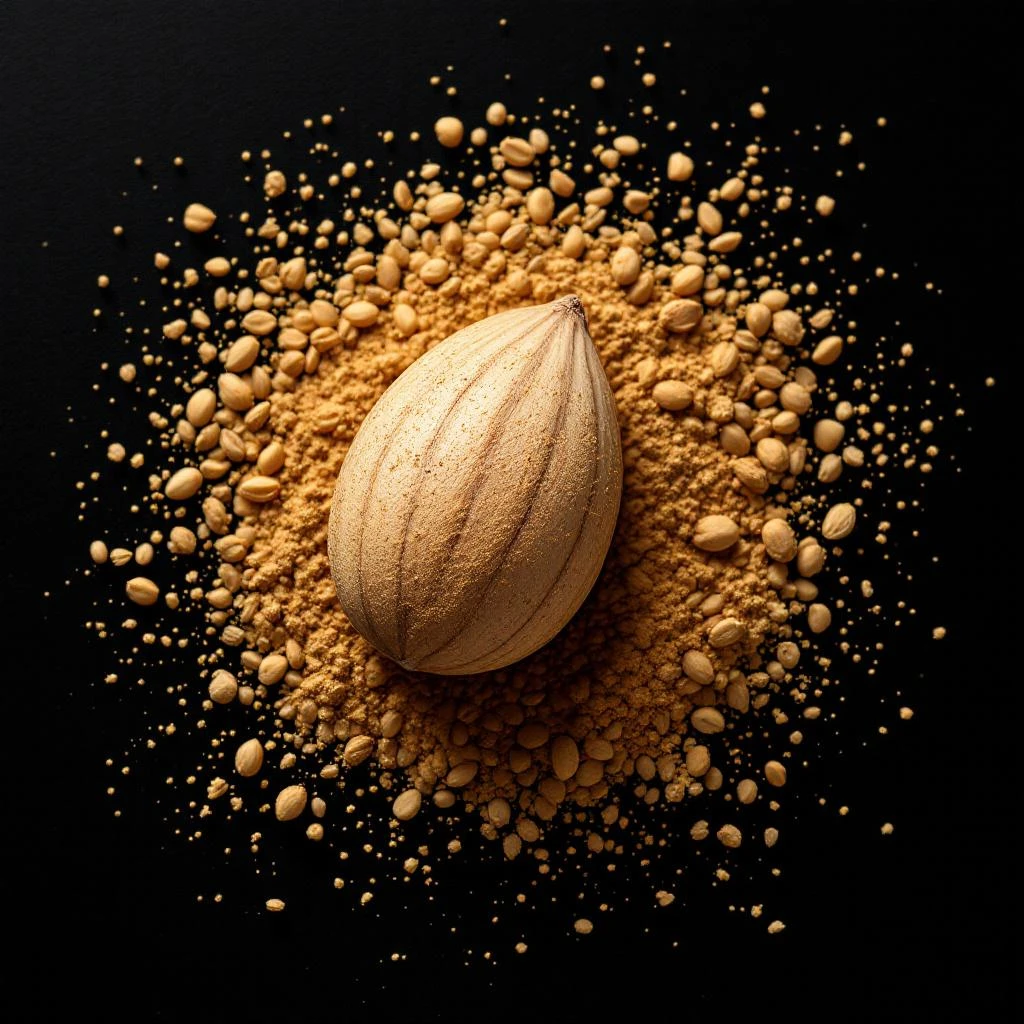
A luminous spice from the Zingiberaceae family
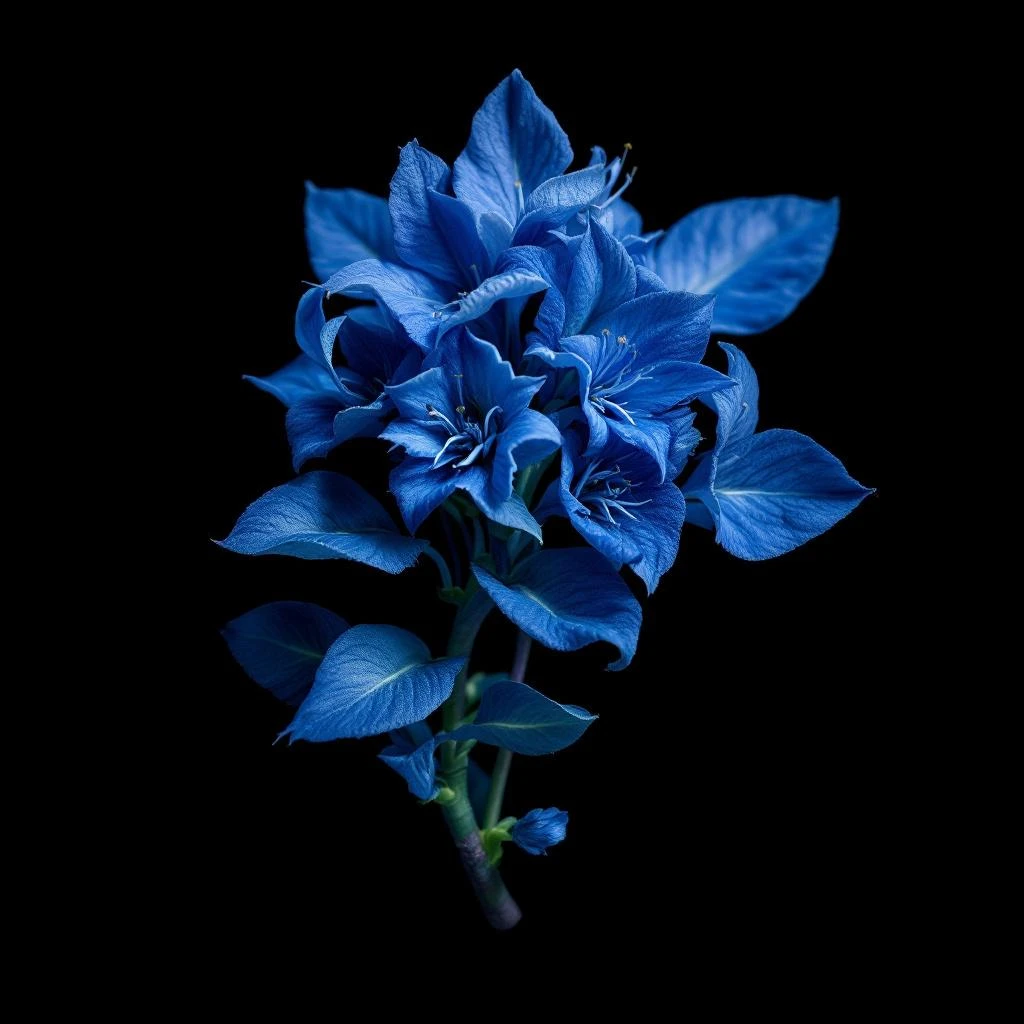
The plant develops a subtle blue-green tint in its stems, giving it the name that distinguishes it from common ginger.






Origin
Indonesia
The use of Blue Ginger traces back centuries across Southeast Asian cultures, where it served culinary, medicinal, and ceremonial purposes throughout Indonesia, Thailand, and surrounding regions. Unlike common ginger, which traveled westward via ancient Silk Road routes, Blue Ginger remained relatively localized to its tropical origins until maritime trade networks expanded.
Ancient Malay and Javanese traditions incorporated the rhizome into both food preservation and traditional medicine preparations. The ingredient gradually attracted Western attention during colonial-era botanical surveys of the Indonesian archipelago.
Its introduction to European perfumery occurred later than common ginger, gaining prominence as fragrance creators sought novel spicy notes that offered different tonal qualities than traditional ginger. Contemporary interest in Blue Ginger reflects a broader industry movement toward exploring underutilized botanical materials and regional ingredient traditions.
Wears it best
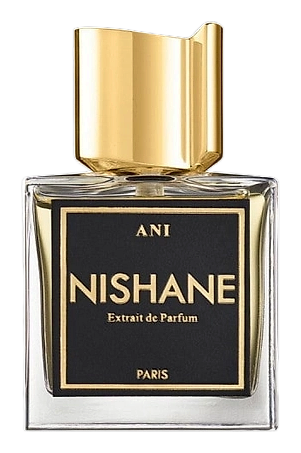
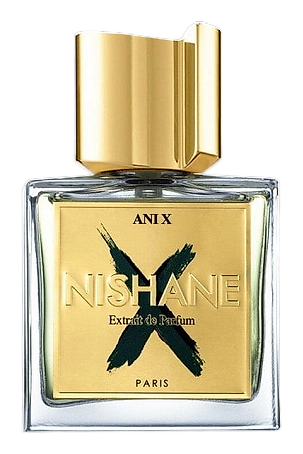
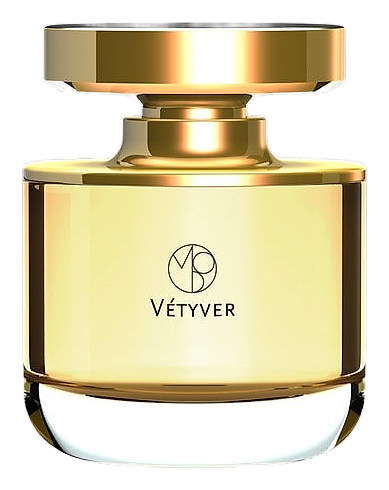
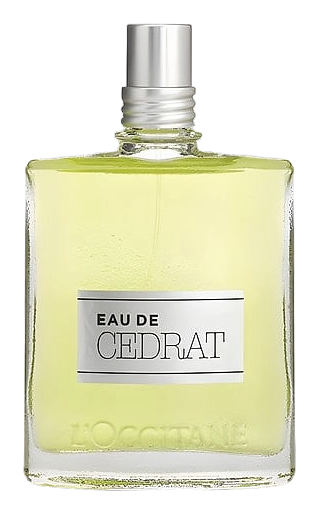
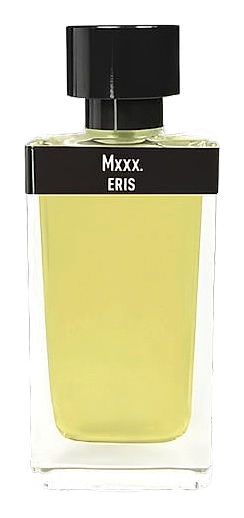
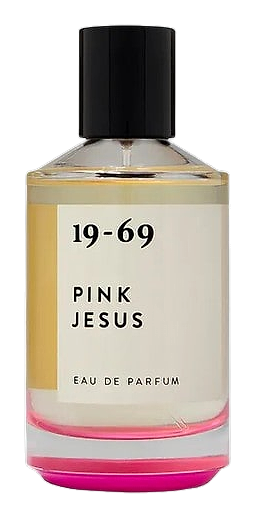
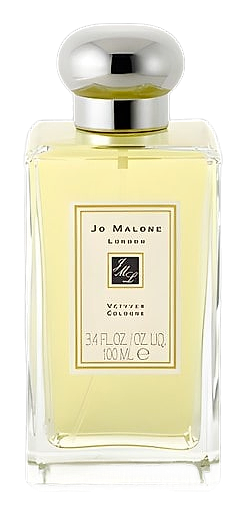
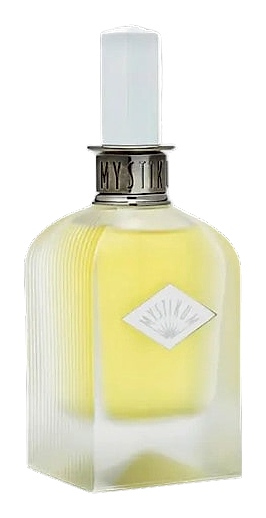
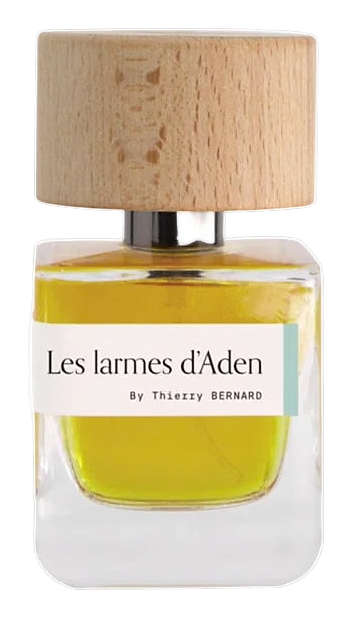
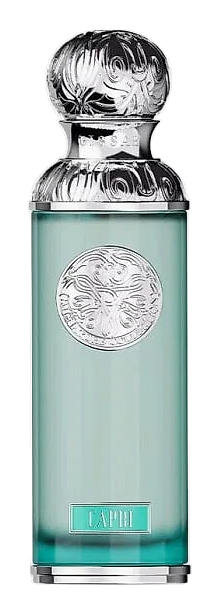
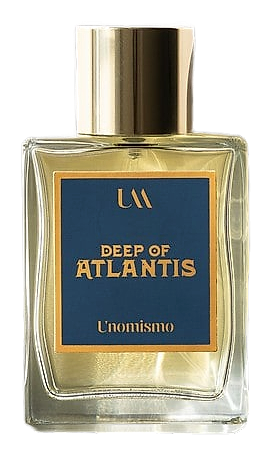
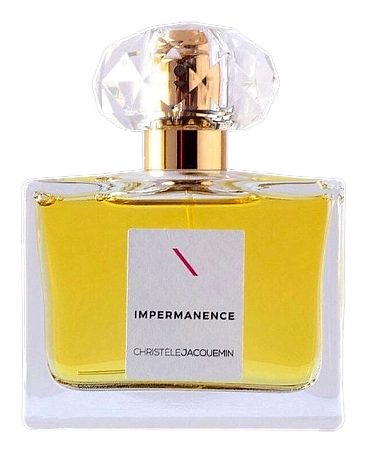
Fragrances featuring Blue Ginger
Brands
Brands known for Blue Ginger
Good to know
Questions, answered
The essentials on Blue Ginger in perfumery: how it smells, where it comes from, and how it behaves on skin.
What does Blue Ginger smell like in fragrance?
Blue Ginger offers a bright, spicy-fresh aroma with citrus and warm undertones. It delivers a cleaner, slightly sweeter spice character than common ginger, making it versatile across fragrance families.
Is Blue Ginger actually blue in color?
The plant develops subtle blue-green coloration in its stems, distinguishing it from common ginger. The essential oil itself typically appears pale yellow to amber.
How does Blue Ginger differ from regular ginger in perfumery?
Blue Ginger provides a lighter, more citrus-forward spice character compared to common ginger's sharper, more peppery profile. It integrates more smoothly into floral and fruity compositions.
What extraction methods work best for Blue Ginger?
Steam distillation produces the most common Blue Ginger oil, while CO2 extraction yields a richer, more complex extract with deeper warmth and longer lasting qualities.
Which fragrance families commonly feature Blue Ginger?
Blue Ginger appears frequently in oriental, woody-spicy, and fresh citrus compositions. It bridges warm and fresh fragrance families effectively.
Is Blue Ginger a natural or synthetic ingredient?
Blue Ginger exists as a natural ingredient derived from Alpinia galanga, though synthetic aromachemicals can replicate similar spicy-ginger notes for consistency.
What regions produce the highest quality Blue Ginger?
Indonesia and Thailand represent the primary origin regions, where the tropical climate produces rhizomes with the most complex aromatic profiles.
How long has Blue Ginger been used in perfumery?
Blue Ginger entered Western perfumery more recently than common ginger, with significant adoption occurring during the late 20th century as perfumers sought novel spice notes.