
The Story
Why it exists.
The beginning
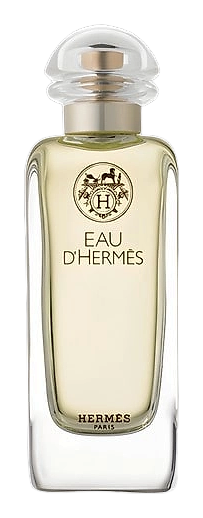
In 1951, Edmond Roudnitska was given a single instruction: capture the interior of an Hermès bag. Not a bag as object, but the bag as experience, the smell of fine leather warmed by the hand that carries it, the ghost of whatever perfume once lived inside. The result was Eau d'Hermès, a fragrance that carries that same sense of intimate luxury. It opens with crisp citrus and aromatic herbs, the brightness of bergamot tempered by something deeper, something that suggests the quiet confidence of well-worn leather. The composition moves through distinct phases, each note arriving in its own time, building toward a drydown that feels both sophisticated and deeply personal.
The structure is unusual for its era. Roudnitska built from a citrus-spice foundation, layering cardamom's warmth against a base that anchors everything in leather. The cumin reads as warmth, as skin, as the moment the glove comes off. This deliberate nudity was the scandal hidden in plain sight.
The evolution
The first hour belongs to citrus and herbs. Bergamot leads, but it's the petitgrain that gives it weight, not the bright top-note pop of a summer cologne, but something with actual structure. Lavender sits underneath, quiet and aromatic, keeping the opening from going thin. Around minute thirty, the spices begin to assert themselves. Cardamom arrives warm, then cumin arrives serious. This is the moment the fragrance shifts from interesting to committed. The leather doesn't announce itself, it arrives underneath, patient, the foundation everything else stands on. By hour two, the jasmine and geranium soften what came before. The drydown is where Hermès lives: cedar and sandalwood, vanilla and tonka bean, leather that has warmed to body temperature. It stays close. The morning after, there's a trace on wool. A memory of a smell.
Cultural impact
Eau d'Hermès occupies an unusual position: a classic that remains divisive. It's been continuously produced since 1951, outliving every trend in perfumery. Wearers describe it as old-world elegance with an edge, the kind of fragrance someone chooses when they already know what they like. It's worn by those who've worn it for decades and those who discovered it recently and couldn't stop thinking about the cumin in the opening. The house has maintained the original composition, allowing the fragrance to remain true to its original vision rather than conforming to contemporary preferences.