
The Story
Why it exists.
The beginning
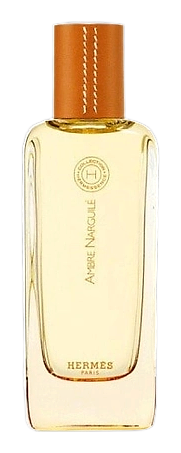
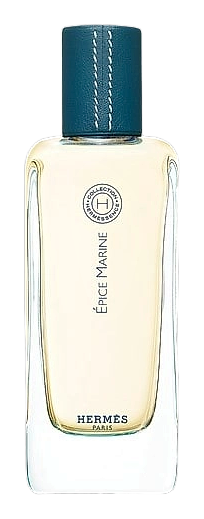
Jean-Claude Ellena created Épice Marine in collaboration with chef Olivier Roellinger. Both men share a love of spices and the coast of Brittany. Ellena built the fragrance around cumin, whiskey, and sea salt to capture the rocky Atlantic shore, not tropical sweetness, not synthetic aquatics. The result smells edible. Marine without the usual shortcuts.
Marine fragrances typically lean on calone and synthetic watermelon notes. Ellena refused the shortcut. Instead, he reached for sea salt, seaweed, and warm spices, materials that evoke the Atlantic coastline more honestly than any artificial substitute. The cumin doesn't just add warmth. It adds an aromatic, slightly animalic edge that makes the marine element smell more real, more human. This is the ocean if it ate something.
The evolution
The opening arrives clean: bergamot and cardamom, sharp and citrus-bright. Within minutes, the marine element takes over, cumin and whiskey arriving together, the salt air carrying something savory. Not beach. Coastline. The sea note holds for hours, but the spice never fully retreats. As it fades, the base emerges: oakmoss, vetiver, a whisper of hazelnut. Warm, earthy, close. The next morning, it's still there, mineral and quiet on the skin.
Cultural impact
Épice Marine divides opinion, that's part of its appeal. Wearers either find it the most interesting thing in the Hermessence line or too sharp for comfort. The cumin note is the pivot point. For those who love it, nothing else quite scratches that aromatic-spice-meets-ocean itch. For those who don't, it's an easy skip. This kind of divisiveness is rare in a house known for safe elegance. It confirms Ellena's commitment to creating authentic scent experiences rather than universally agreeable products.
The House
HermèsHermès fragrances are the olfactory equivalent of a perfectly crafted leather bag or a fine silk scarf. They're not about loud statements but about quiet confidence, telling stories inspired by nature, poetry, and the house's equestrian heritage. This is perfumery as an art form, defined by intellectual elegance and exceptional materials.
The Creator
Jean-Claude EllenaCritics compare Ellena's work to watercolor sketches and chamber music, precise and economical where others are bold and orchestral. He avoids repetition and heavy concentration, instead building compositions that breathe.