The Story
Why it exists.
The beginning
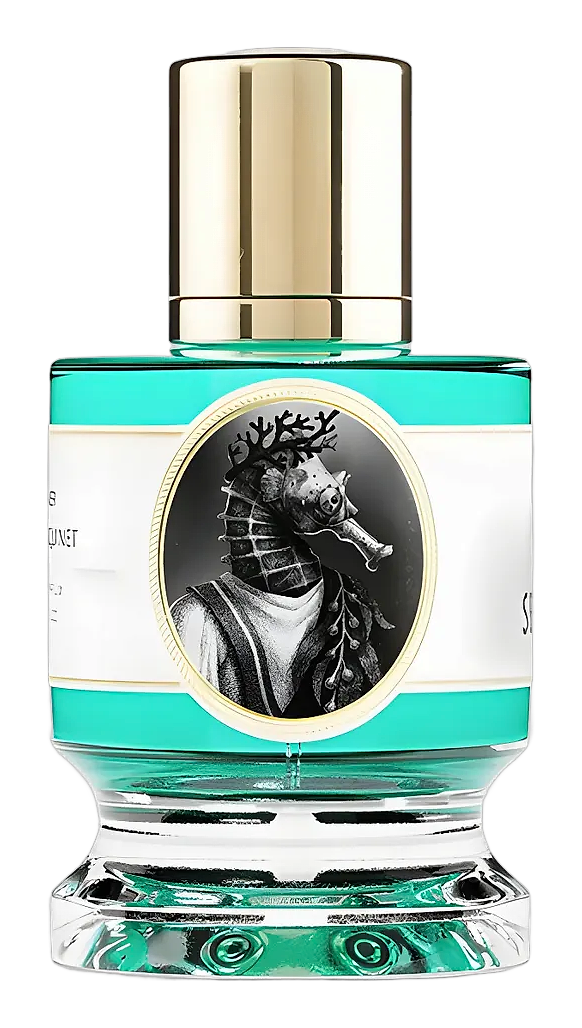
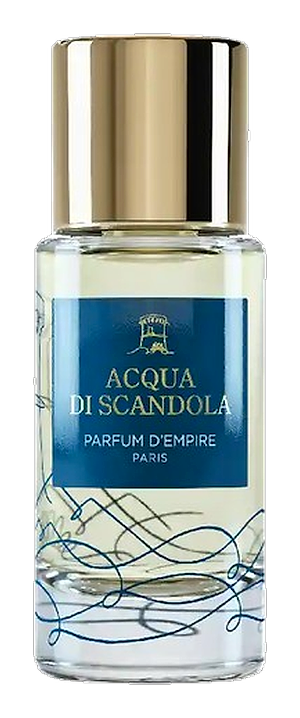
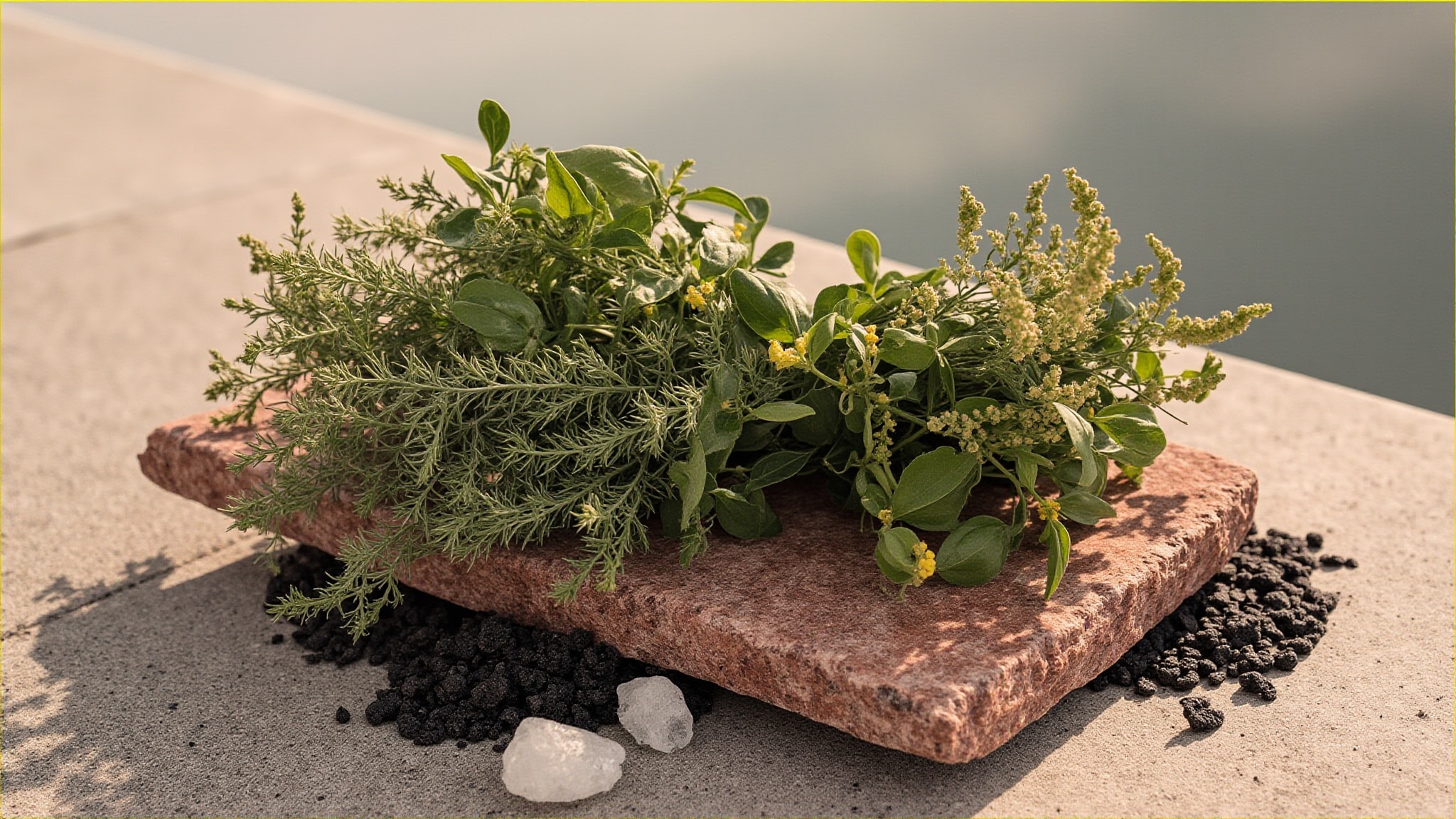
Marc-Antoine Corticchiato grew up near the Scandola peninsula, a UNESCO World Heritage reserve on Corsica's northern coast, all red porphyry cliffs and maquis scrub. When he set out to make a sea fragrance, he didn't want another blue aquatic. He wanted the real thing. So he went to the source. The opening is salt without the usual calone. Lemon and aldehydes hit first, bright, almost astringent, like the mentholated air off those cliffs. Then basil and artemisia cut in, herbal and green, the scent of maquis brushing against coastal stone. This is not the sea as metaphor. It is the sea as geography. Released in 2018 as part of the Collection L'Héritage Corse, Acqua di Scandola translates a specific place into a wearable composition, mineral, iodic, exclusively Mediterranean.
Most aquatics lean on calone for their marine effect. Corticchiato refused. Instead, he built the sea from hyraceum, an animalic derived from African rock hyrax, used here at low concentration to add a mineral-earth depth that calone simply can't replicate. It smells like the ocean as it actually exists: not just salt water, but the whole coastline ecosystem. The immortelle and oakmoss in the base reinforce the Corsican character. Immortelle is warm, slightly medicinal, with a honey-tobacco quality that lingers on skin long after the marine notes fade. Oakmoss adds a green, slightly sour undertone, the lichen-crusted stone of a coastline that hasn't been tamed.
The evolution
The opening announces itself with a sharp citrus-aldehyde burst, lemon and basil, bright and bracing. Within minutes the aldehydes soften, the lemon fades, and the herbal character takes over. Artemisia and juniper emerge, green and slightly bitter, like walking through coastal scrubland. The heart shifts into marine territory. Seaweed and aquatic notes create a mineral depth that feels less like ocean and more like the wet stone and sea air that surrounds it. The hyraceum is subtle here, an earthy undertone rather than an animalic punch. It grounds the composition without overwhelming it. The drydown is where it lingers. Immortelle and oakmoss take over, warm and slightly medicinal, the scent of stone weathered by salt and time. Patchouli adds a dry, woody base that holds everything close. This is intimate sillage, present on skin for many hours, but not projecting outward. It stays close. It stays.
Cultural impact
Acqua di Scandola stands apart from the typical aquatic by refusing calone entirely. Instead, it builds marine character from hyraceum, immortelle, and oakmoss, materials that evoke a coastline rather than simulate one. Wearers describe it as the scent of someone who walks into a room and doesn't need to announce themselves. The intimate sillage suits professional settings where projection would be inappropriate, while the Corsican authenticity appeals to those who find standard aquatics generic. It's a fragrance for a specific kind of wearer: someone who knows the difference between a resort and a coastline.