The Story
Why it exists.
The beginning
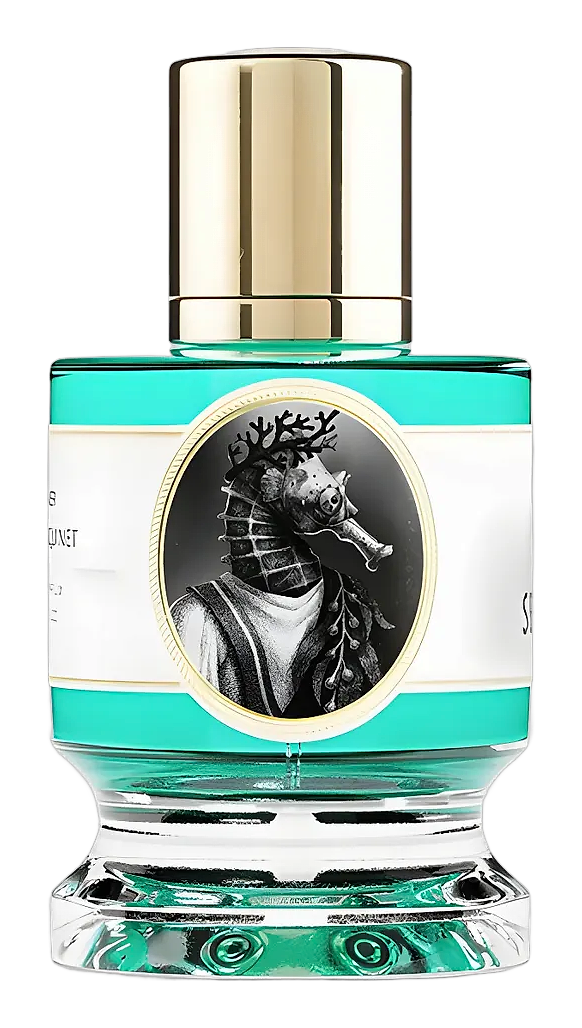
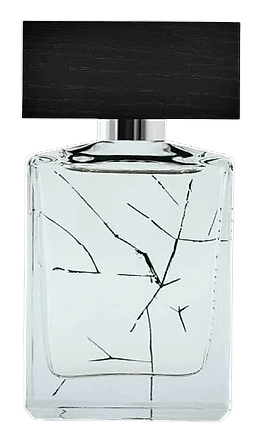
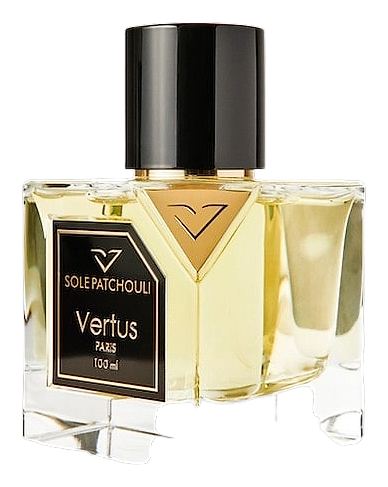
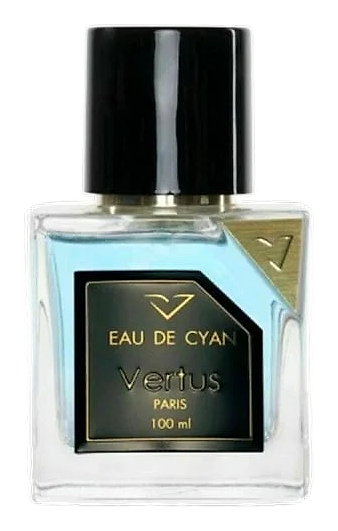
Vertus drew from Istanbul's position between continents, a city that breathes with the sea. Eau de Cyan, launched in 2016, translates that energy into a fragrance: fresh aquatic fougère that captures modern vitality. Marine notes meet herbs, woods, and amber. The idea was simple: take the city's pulse and bottle it.
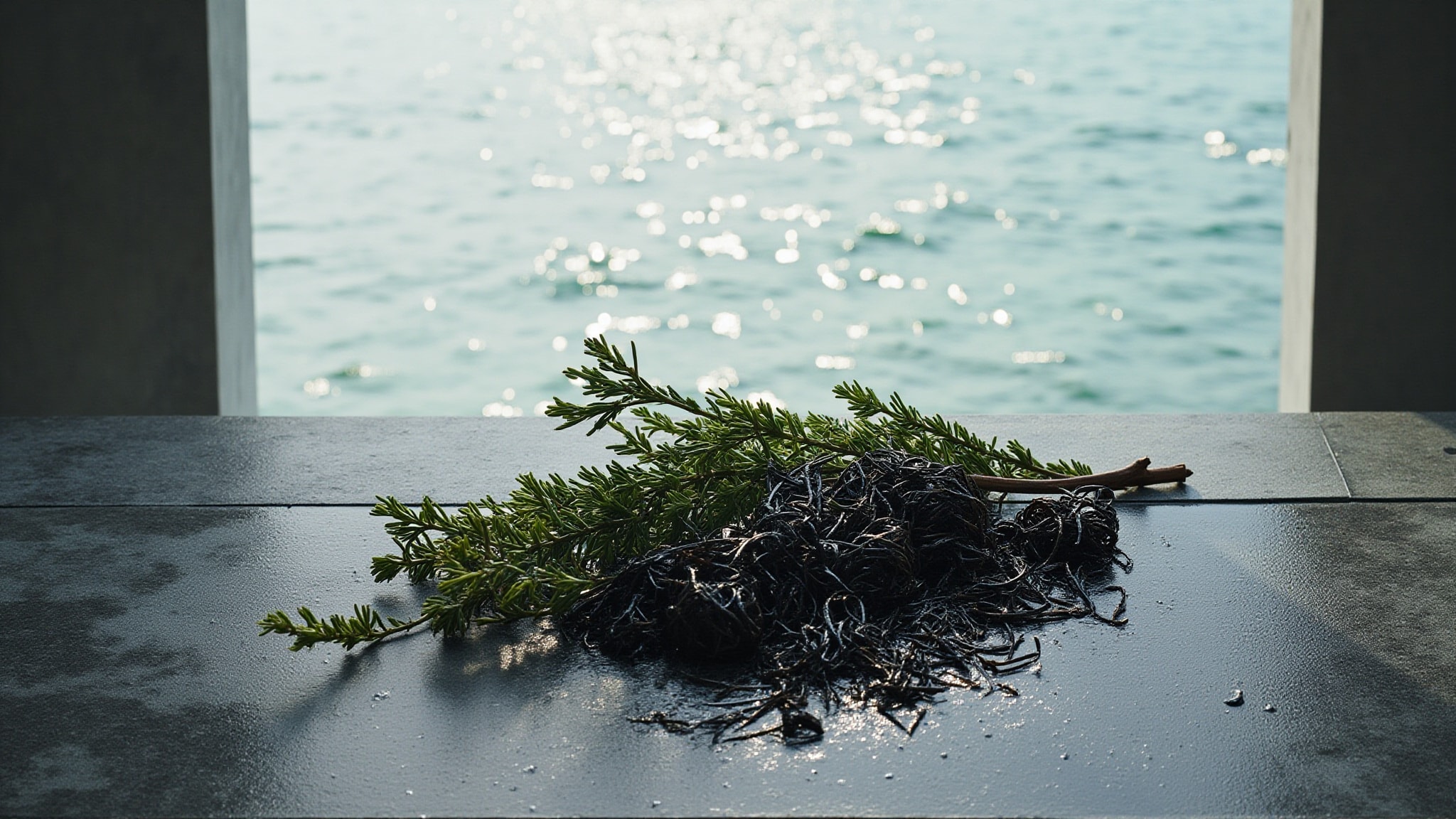
The aquatic-fougère structure is the real move here. Fougères are usually aromatic-woody. Marine shifts the register entirely. Galbanum and sage bring a green-herbal sharpness that cuts through the aquatic notes, not a soft summer scent, but something with teeth. Seaweed in the heart adds a marine depth that makes the gardenia and jasmine feel grounded rather than girlish. This is an aquatic with a fougère backbone, which is rarer than it should be.
The evolution
The opening announces itself hard. Very barbershop, very green, very assertive. One reviewer called it almost confrontational, like a scent that knows what it wants. Give it twenty minutes. The marine notes surface. The soapiness fades. It becomes something cleaner, more aquatic, reminiscent of Varvatos Artisan Blu or Amouage Beach Hut Man. Gardenia and jasmine emerge in the heart, softening the green. Then the base takes over: patchouli, oakmoss, amber, and musk. The drydown is warm, woody, and intimate. Lasts a full workday on most skin types.
Cultural impact
Since its 2016 debut, Eau de Cyan has found its audience among those who want aquatic without the typical summer scent. The green-herbal fougère backbone gives it more substance than straightforward marine fragrances, it's fresh, but with depth. This Istanbul creation from Vertus carved a niche for itself among collectors who wanted something structurally complex under the aquatic umbrella.