
The Heritage
The Story of Vertus
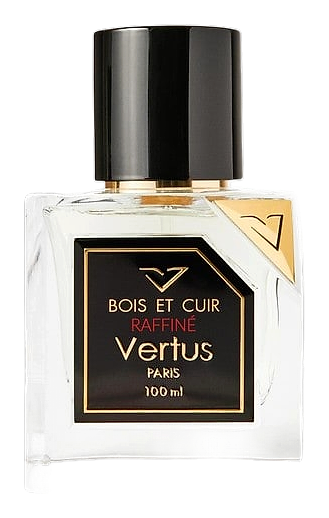
Vertus emerged from Istanbul in 2011 as a modern perfume house that honors the craft of scent making. Founder Cetin Akat built the label on a family tradition that stretches back to the late 1960s, when his father Halil Akat launched a small personal‑care workshop. Vertus offers a curated range that includes the smoky depth of Vanilla Oud (2015), the leather‑rich Bois et Cuir (2015) and its refined 2025 update, the bright rebellion of Rouge Rebel (2025), and the aromatic journey of Bengal (2023). The brand balances Turkish heritage with a Parisian sensibility, presenting each fragrance in sculptural bottles that echo architectural lines. Today Vertus ships to collectors worldwide, inviting them to explore scent as a form of memory and place.
Heritage
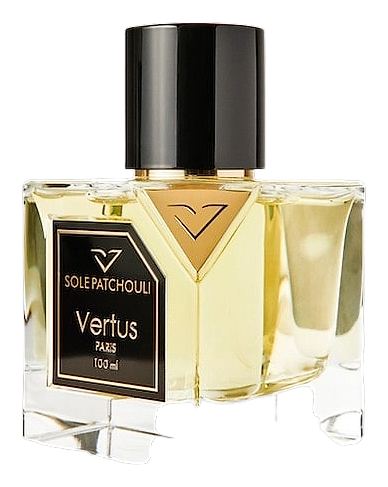
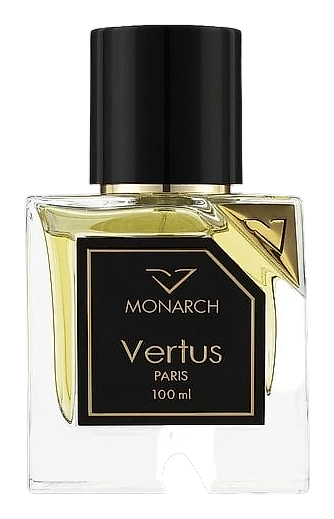
The story of Vertus begins in 1969, when Halil Akat opened a modest personal‑care and perfume laboratory in Istanbul. Over the next two decades the workshop supplied local boutiques with handcrafted soaps, oils and early fragrance extracts. In 1996, according to the Paris distributor The Scent House, the family began a public initiative called "The Art of Scent," aiming to share its olfactory experiments beyond Turkey. A second generation, led by Cetin Akat, formalised the effort in 2011 by registering Vertus as a dedicated perfume brand. The launch coincided with a move into a larger studio where the team could experiment with rare raw materials sourced from Southeast Asia, the Middle East and the Mediterranean. Early releases such as Bois et Cuir (2015) and Vanilla Oud (2015) quickly attracted attention for their balanced use of natural oud, vanilla bean and Turkish rose. By 2017 Vertus expanded its catalogue with Monarch, Sole Patchouli and Silhouette, each reflecting a distinct narrative—royal authority, earthy grounding and minimalist elegance. The brand celebrated a decade of Vanilla Oud in 2025, releasing a limited edition that highlighted a twelve‑year aging process for the oud wood. That same year saw the debut of Rouge Rebel, a vibrant red‑hued scent that references the brand’s willingness to challenge conventional color palettes, and Sérénade, a soft, nocturnal composition. Throughout its history Vertus has maintained a modest production scale, preferring small batches that allow close monitoring of each perfume’s evolution. The house continues to operate from Istanbul while maintaining a showroom in Paris, where its bottles are displayed alongside contemporary design objects. Each milestone reflects a commitment to continuity, family heritage, and a quiet ambition to place Turkish perfumery on the global map.
Craftsmanship
Vertus builds each fragrance in a dedicated lab where the team blends by hand, measuring each drop with precision scales. The process begins with a thorough audit of raw materials; the house sources natural oud from Indonesian islands that follow a minimum age of eight years, vanilla beans from Madagascar that meet a strict moisture content, and patchouli cultivated on small farms in the Philippines. Once the ingredients arrive, a master blender creates a preliminary accord, then invites a senior perfumer to refine the balance. The mixture rests in stainless‑steel vats for a period that ranges from three weeks to twelve months, depending on the complexity of the scent. During this maturation, the perfume undergoes sensory evaluation by a panel that includes the founder, the perfumer, and a rotating group of long‑term collaborators. Quality control includes gas‑chromatography analysis to verify the concentration of key aromatic compounds and to ensure batch consistency. After the aging stage, the perfume is filtered through a fine mesh to remove any particulate matter, then transferred into hand‑blown glass bottles. Each bottle is sealed with a custom‑cut cork that matches the fragrance’s color palette. Vertus limits production runs to a few thousand units per release, a practice that allows the house to monitor each batch for stability and to respond quickly to any feedback. The brand also maintains a small in‑house laboratory for testing skin compatibility, ensuring that each perfume meets European cosmetic regulations before it reaches the market.
Design Language
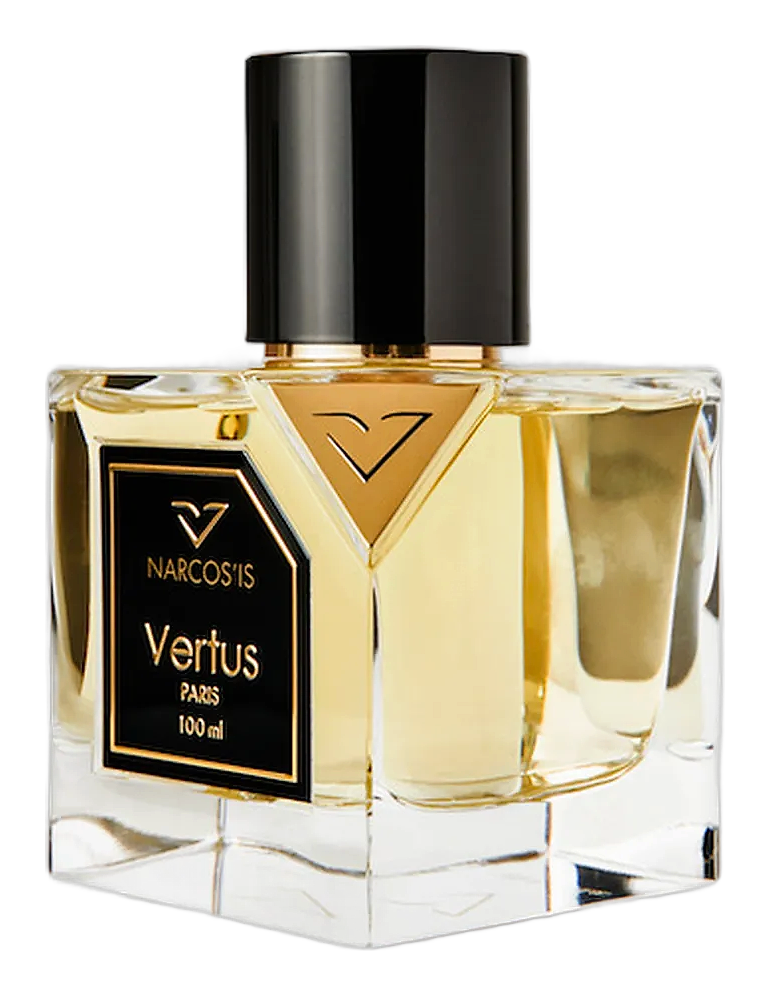
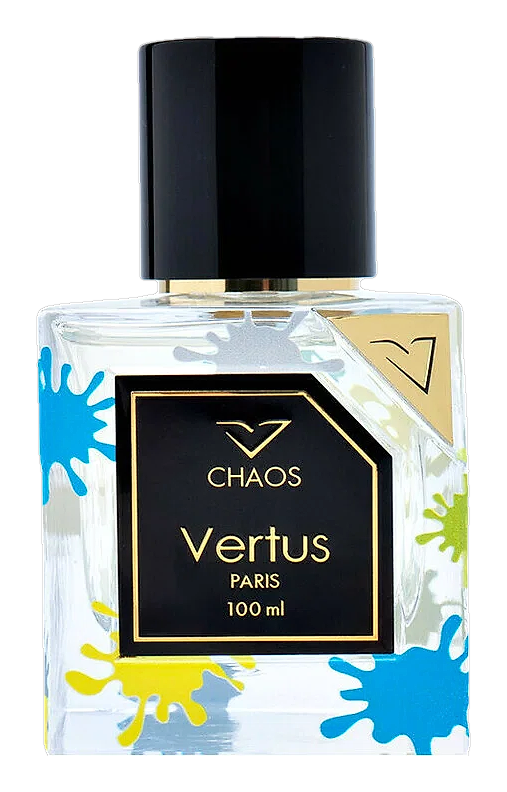
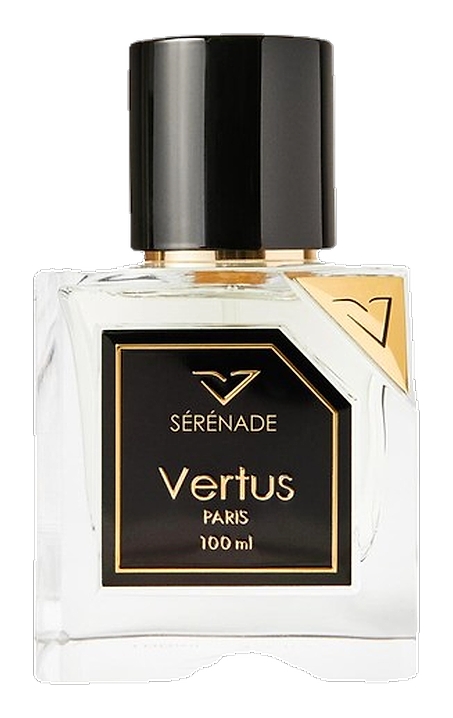
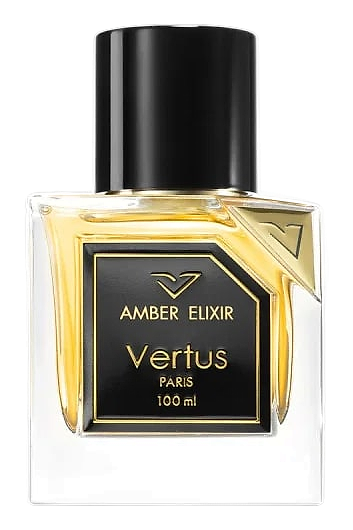
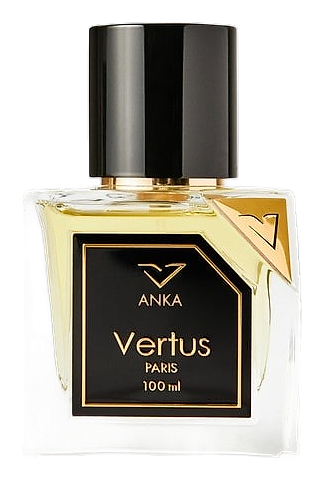
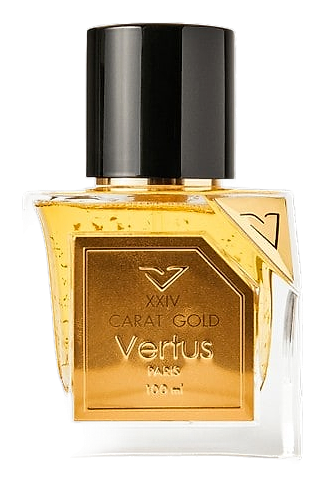
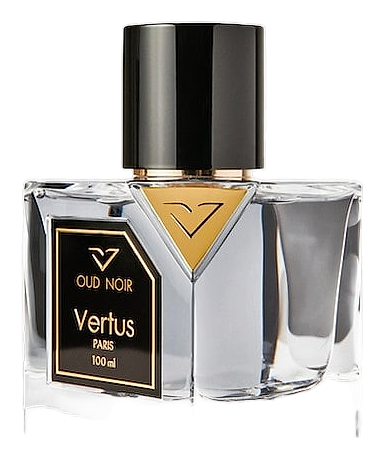
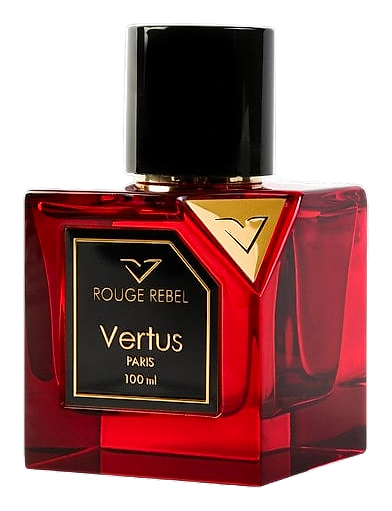
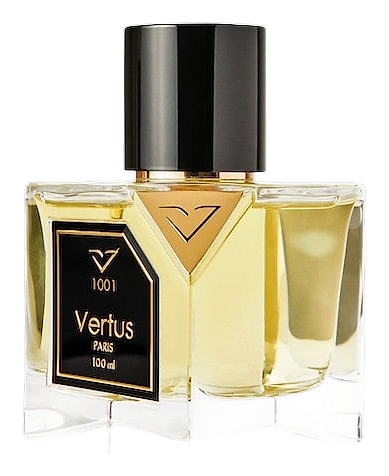
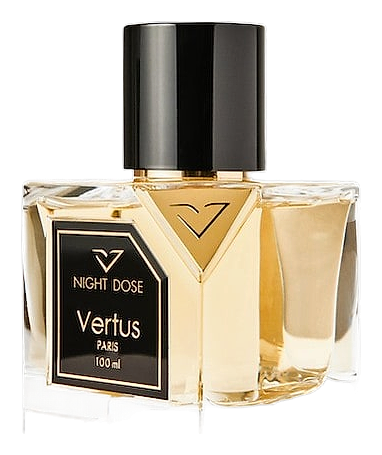
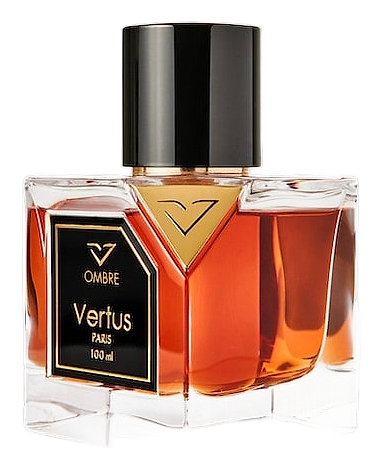
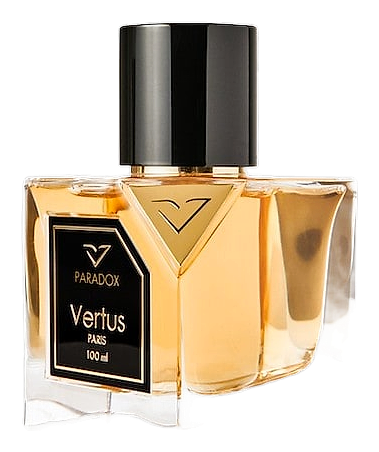
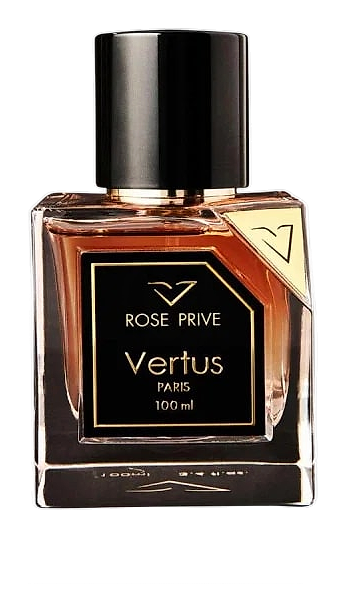
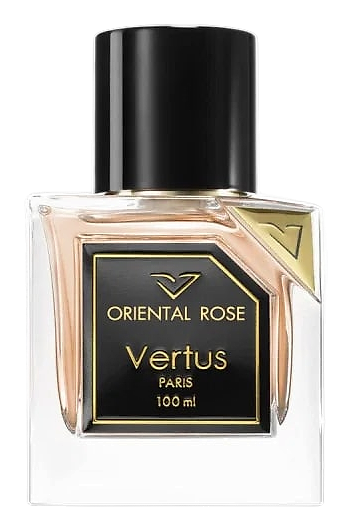
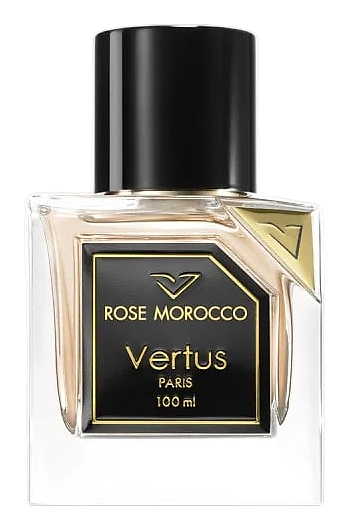
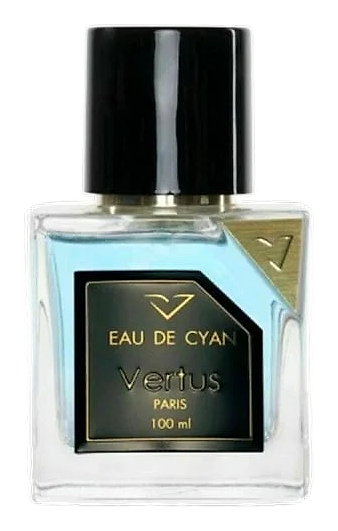
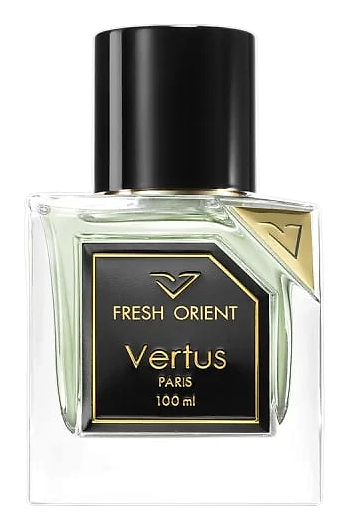
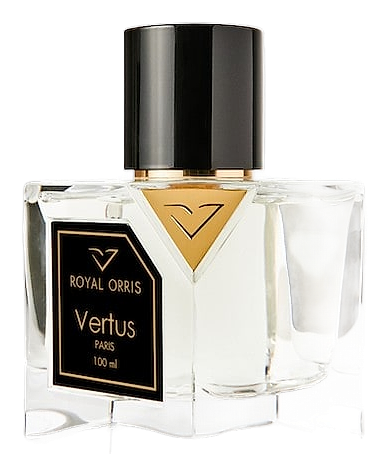
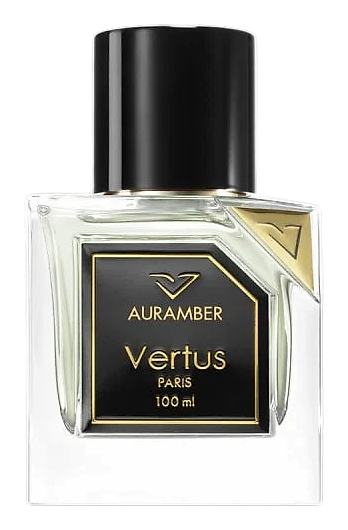
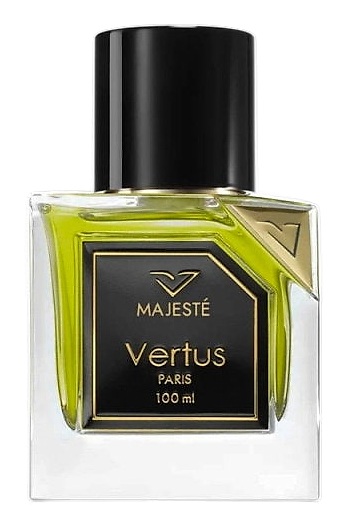
Vertus presents its scents in bottles that resemble miniature architectural models. The glass is often clear or tinted to reflect the fragrance’s character—deep amber for Oud Noir, bright scarlet for Rouge Rebel, soft ivory for Sérénade. Each bottle features clean lines, a subtle curvature, and a matte metal cap that feels weighty in the hand. The brand’s visual identity relies on a restrained color palette of black, white, and muted earth tones, punctuated by occasional bold accents that correspond to a new launch. Typography on the packaging uses a sans‑serif typeface that balances modernity with readability, while the logo—a stylised letter V—appears embossed on the front of each bottle. Marketing imagery frequently places the perfume beside minimalist interiors, highlighting the idea that scent, like design, shapes an environment. Vertus also offers a travel set that nests the bottles in a compact leather case, reinforcing the notion that fragrance accompanies the wearer’s journey. The overall aesthetic conveys quiet confidence, inviting collectors to appreciate the perfume as both an olfactory and visual object.
Philosophy
Vertus approaches scent as a bridge between memory and place. The creative team believes that a perfume should evoke a specific moment—whether the cool light of an Istanbul courtyard or the quiet hum of a Parisian atelier. This belief guides the selection of raw materials; the house favors ingredients that carry a strong sense of origin, such as Mysore sandalwood, Syrian amber, and Anatolian rose. Vertus also values transparency, often sharing the provenance of key notes on its website and in limited‑edition booklets. The brand’s design language draws from architecture, a theme echoed in the sculptural bottles that aim to capture light as a perfume does scent. Rather than chasing trends, Vertus lets each composition develop its own narrative, allowing the perfumer to explore contrast and harmony over time. Sustainability informs the philosophy as well: the house works with farms that practice responsible harvesting, especially for oud and patchouli, and it supports local artisans who produce the glass and packaging. In interviews, Cetin Akat has described the house as a "family workshop that invites the world in," a sentiment that shapes every decision from ingredient sourcing to retail presentation.
Key Milestones
1969
Halil Akat opens a personal‑care and perfume workshop in Istanbul
1996
Family launches public "Art of Scent" initiative, according to Paris distributor
2011
Cetin Akat registers Vertus as a dedicated perfume brand
2015
Release of Vanilla Oud and Bois et Cuir, establishing the house’s signature style
2017
Launch of Monarch, Sole Patchouli, and Silhouette, expanding the portfolio
2023
Introduction of Bengal, a scent inspired by South Asian spice markets
At a Glance
Brand profile snapshot
Origin
Turkey
Founded
2011
Heritage
15
Years active
Collection
3
Fragrances released
Avg Rating
4.0
Community sentiment
Release Rhythm


