The Story
Why it exists.
The beginning
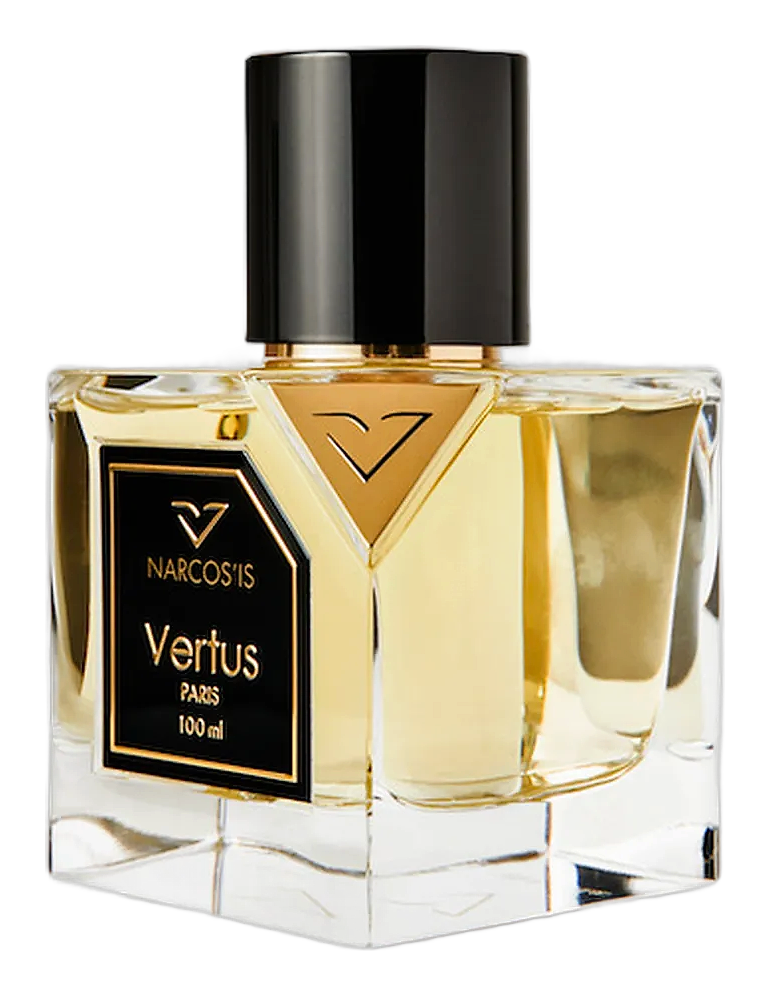
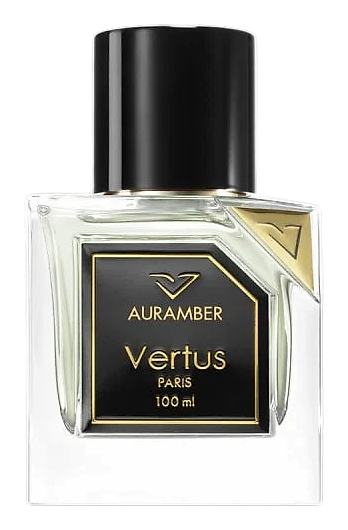
Auramber was built as a counter-thesis to the sweeter amber interpretations. Vertus wanted smoke and animalic to lead, not support, the amber was there to warm, not comfort. Dry woods and labdanum form the backbone. Patchouli grounds the base. The name says amber, but the fragrance argues with it.
What makes Auramber unusual is the smoke-animalic-amber interplay. Smoke leads as an assertive, almost acrid force. The animalic notes aren't skanky, they're a clarifying agent, stripping sweetness and leaving something raw. Amber appears three times across the pyramid, but each layer reveals a different facet: bright in the opening, warm in the heart, deep in the base. The animalic notes add dimension without overwhelming. Labdanum gives the drydown a leathery, bitter edge that dry woods reinforce. Patchouli brings earthiness to close. It's amber deconstructed, no honey, no softness, no retreat into comfort.
The evolution
Smoke arrives first, sharp, acrid, almost aggressive. Not the smoky of wood fires or campfires. Sharper. Like black pepper, or something singed. The smoke doesn't apologize. It announces. This opening isn't interested in making friends. Smoke retreats over the next hour. Amber and dry woods step forward. The woods stay dry, not warm. The amber holds but offers no sweetness. The heart settles into this smoky-amber quiet. It stays dry throughout. Hours later, patchouli and labdanum arrive. The base is smoky, earthy, close. It stays. Hours past when you'd expect it to have left.
Cultural impact
Auramber attracts those who want something assertive and non-mainstream. The smoky-animalic character draws a specific wearer, one who chooses the fragrance for themselves, not for the room. It's been discontinued, which adds to its appeal among collectors and those who like what others don't know.