The Story
Why it exists.
The beginning
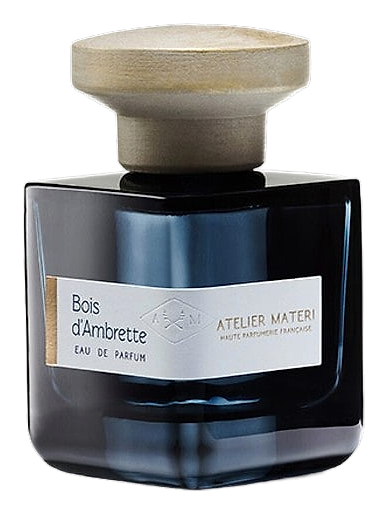
Marie Hugentobler built Bois d'Ambrette around a single raw material that anchors the entire composition. Ambrette seed carries a warm, slightly powdery quality that feels familiar yet distinctly itself. The fragrance takes its name from the material itself, refusing to hide what it is. It opens with bright citrus and ginger, then settles into creamy sandalwood and ambroxan, the ambrette threading through each stage like a quiet constant. The effect is coherent, each layer supporting the next, an olfactory study that lets its subject speak without interruption.
What makes ambrette seed unusual is what it isn't. It isn't the clean laundered-musks that dominate designer fragrance. It isn't the skatole-animalic of true musk. It sits between those two poles, floral, powdery, faintly sweat-tinged, warm. Like skin after a long day, not skin scrubbed clean. Atelier Materi's commitment to single-material storytelling means every supporting note exists to contextualize the ambrette, not compete with it.
The evolution
The opening arrives crisp. Mandarin and ginger lift clean and sweet, the ginger adding warmth beneath the brightness. Then the angelica cuts in, a bitter-green undertone that keeps the top from smelling like a fruit basket. By the time the heart develops, the ambrette asserts itself. Powdery. Warm. Slightly animal in a way that feels earned rather than accidental. The drydown settles into sandalwood cream and ambroxan, and that's where it lives for hours, close, skin-warm, intimate. Not the kind of fragrance that fills a room. The kind that stays in your collar after you've already left.
Cultural impact
Bois d'Ambrette occupies a specific corner of niche perfumery, the kind of scent that appeals to someone already deep into fragrance and tired of the obvious choices. Atelier Materi attracts wearers who want to smell like themselves, not like a brand.