
The Story
Why it exists.
The beginning
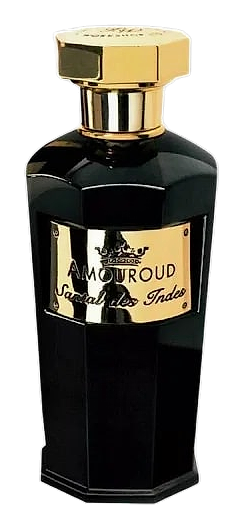
Santal des Indes means Sandalwood of the Indies, a name that points directly at Mysore sandalwood, one of the most coveted aromatic materials in perfumery. Irina Burlakova built this fragrance around that material, not around the idea of it, but the thing itself. The result is a sandalwood that feels substantial and present, its creamy, slightly balsamic character anchoring the composition without retreating into abstraction. There is warmth here, a resinous quality that gives the wood weight and presence, and something almost tactile in the way it settles on skin. The fragrance captures the density of real sandalwood, the quality that separates it from lighter, more diffuse interpretations that share the name without the substance.
The unusual note here is curry leaf. In Indian cuisine it brings a sharp, almost bitter freshness, a green, herbal bite that lifts the heavier materials around it. Blended with absinthe at the opening, it creates an aromatic quality that most sandalwood fragrances never attempt. The Chinese cedar (toon) adds a quiet woodiness that supports rather than competes. Together these materials form a structure where the sandalwood doesn't sit on top, it rises from within, which is what makes the drydown feel less like a fade and more like a return to something essential.
The evolution
The opening hits sharp. Absinthe and frankincense arrive together, an aromatic jolt that reads as both fresh and resinous. It stays there for a considerable stretch, assertive but not aggressive. Then the hand-off. Turkish rose absolute enters slowly, its petals mixing with the Chinese cedar in a phase that feels almost separate from the opening, softer, more interior. The sandalwood starts asserting itself, pushing through the herbs and resins as they recede. The curry leaf does not disappear entirely, it stays in the background, a faint green hum that keeps the whole thing from becoming too sweet. The drydown is where this fragrance earns its name. Morocco leather, musk, vetiver. The Mysore sandalwood is now unmistakable, rich, resinous, warm without being heavy. On fabric this lingers for hours.
Cultural impact
Santal des Indes occupies a specific corner of the niche woody category, not the clinical sandalwood of modern classics but something more layered and challenging. The absinthe opening and curry leaf note create an aromatic quality that separates it from the Santal 33 comparisons it sometimes receives. Collectors drawn to Amouroud's transparency and sourcing philosophy tend to be the same people who notice the difference. The fragrance rewards close attention. Those who find it tend to stay with it.