
Heritage
A house, in its own words
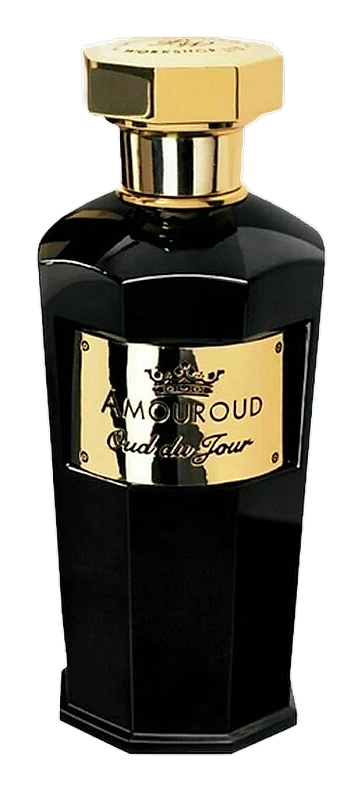
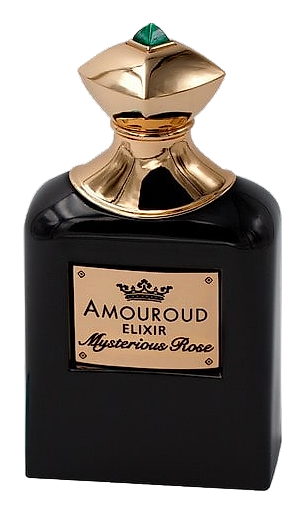
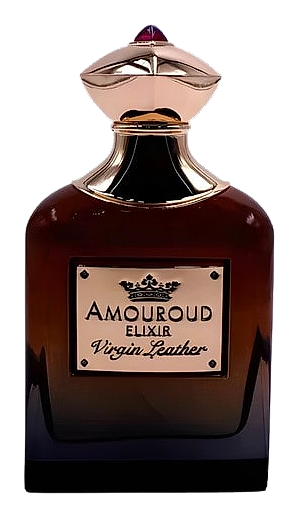
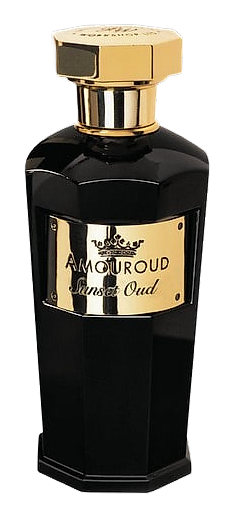
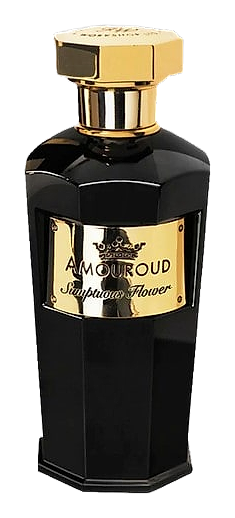
Perfumer's Workshop began in 1970 as a small laboratory dedicated to creating bespoke scents for private clients. Over the decades the workshop refined its sourcing network, establishing relationships with growers in India, Indonesia and the Middle East. In the early 2010s the team launched Amouroud as a separate label, aiming to translate the workshop's private‑blend expertise into a public collection. William Skinner, a longtime collaborator with the workshop, is credited with shaping Amouroud's early direction. The first releases, such as Oud du Jour (2016) and Safran Rare (2016), arrived alongside the workshop's 45th anniversary, signaling a milestone where the house moved from commission‑only work to limited‑edition retail offerings. By 2019 the brand introduced Mysterious Rose, a composition that combined Turkish rose with smoky oud, reflecting a growing confidence in pairing traditional Middle Eastern ingredients with Western floral motifs. The 2020 launch of Sunset Oud marked Amouroud's first fragrance built around a single, high‑grade oud sourced from the forests of Laos, and it was accompanied by a small‑batch release strategy that emphasized traceability. In 2022 the house expanded its palette with Sumptuous Flower, a bouquet that highlighted rare Indian jasmine and a hint of ambergris. Throughout its evolution, Amouroud has maintained a close partnership with Perfumer's Workshop, sharing laboratories, quality‑control protocols and a commitment to sourcing raw materials directly from growers rather than through intermediaries. This collaborative model has allowed the brand to introduce new ingredients, such as the 2024 Virgin Leather, which uses ethically sourced leather accords derived from vegetable‑tanned hides. The heritage of Amouroud is therefore a blend of the workshop's historic craftsmanship and a modern desire to make niche, ingredient‑focused scents accessible to a discerning audience. Amouroud approaches perfumery as a dialogue between place and memory. The house believes that a fragrance should act as a sensory map, guiding the wearer through a landscape of scent that is both personal and universal. Its creative brief emphasizes transparency: each bottle lists the primary natural ingredient and the region of origin, inviting consumers to trace the journey from harvest to perfume. Sustainability is woven into the brand's values; the sourcing team works with certified farms that practice regenerative agriculture, particularly for oud and sandalwood. The house also limits batch sizes to ensure that each ingredient is harvested at peak maturity, reducing waste and preserving the ecological balance of the source regions. Rather than chasing trends, Amouroud favors a slow‑development process, allowing compositions to mature for months before release. This patience reflects a belief that true olfactory depth emerges over time, much like a fine wine. The brand's editorial voice, present on its website and in press releases, avoids hyperbole, opting instead for clear descriptions of aroma families, concentration levels and the emotions the scent is intended to evoke. By foregrounding ingredient provenance and a measured creative rhythm, Amouroud seeks to build trust with collectors who value authenticity over hype.