The Story
Why it exists.
The beginning
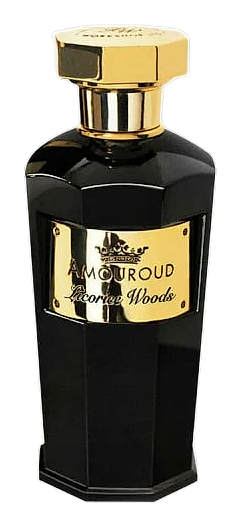
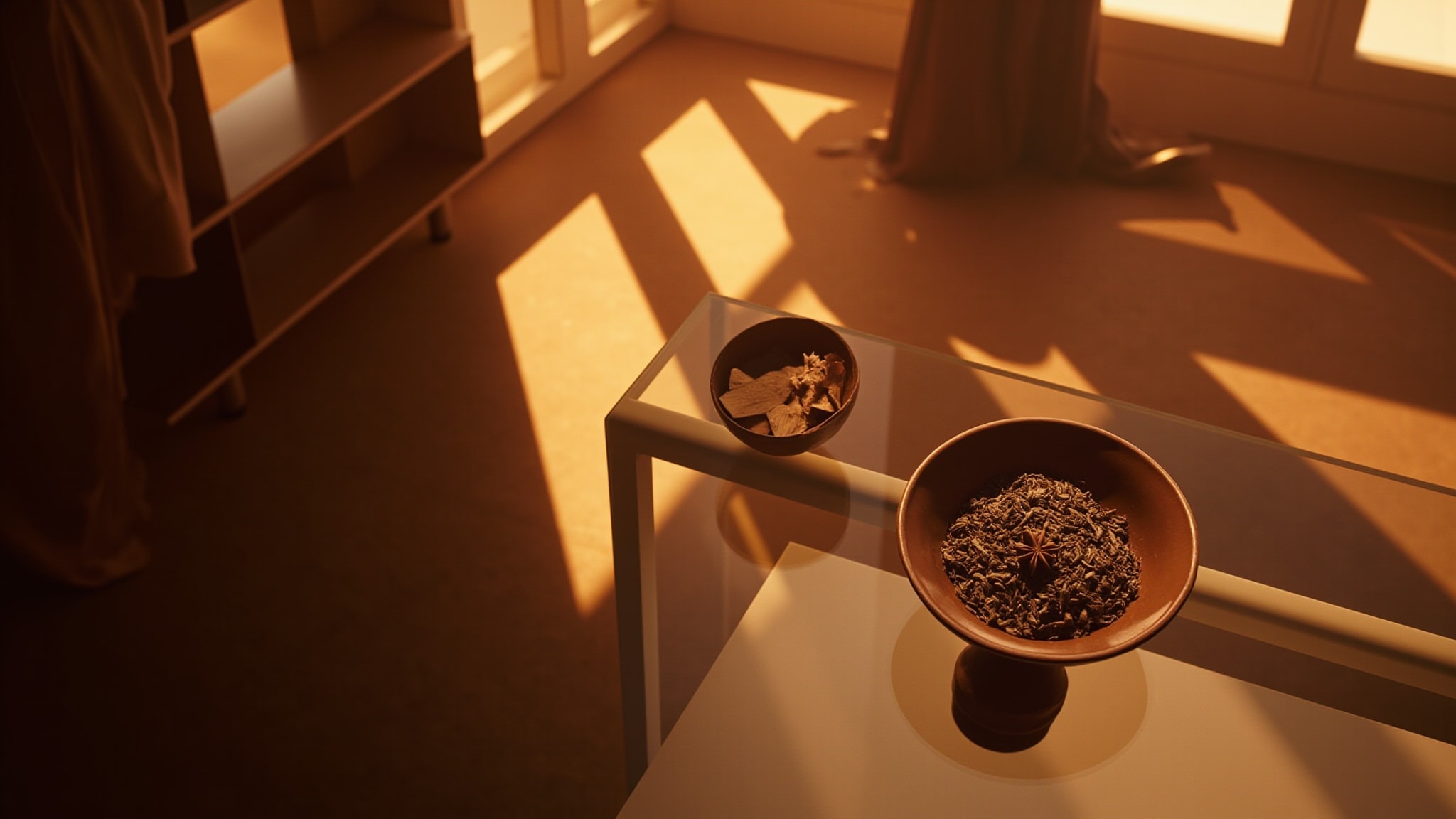
Licorice Woods came from a specific place: the idea of forest depth itself. Not a single tree, not a single note, the whole environment. Amouroud wanted to capture what it feels like to walk into a woods at dusk, when the light turns golden and the air goes dark and resinous. The name came first, and from there the question became: what makes a licorice woods? Not sweet. Not medicinal. The team built the composition around that tension, star anise and black pepper opening sharp, then the floral heart arriving like flowers growing through old bark, held in place by a licorice note that refuses to soften. Evocative woods and melted amber anchor the whole thing, giving it the warmth that makes you want to stay in that woods a little longer.
The star anise is the tell. In perfumery, anise is often used as a fleeting accent, a flicker of licorice that disappears into the drydown. Here it opens the fragrance and stays, threading through the heart alongside the jasmine and orchid. The challenge was keeping those florals from going sweet, and the solution was the licorice itself: bitter, dark, almost savory. It doesn't complement the florals so much as hold them hostage, keeping them grounded in something resinous and deep. The oud and amber base then amplifies everything, woods that don't just support the composition but become it, warm and close and impossible to shake.
The evolution
The opening hits sharp. Star anise and black pepper arrive almost confrontational, the elemi adds a faint citrus lift underneath, but the overall impression is dark, immediate. You know what this is within thirty seconds. Then the florals arrive. Jasmine and orchid, softer than expected, but the licorice keeps them grounded. They don't float, they're held. There's no sweetness here, just a quiet tension between bright and dark. An hour in, the base notes arrive: oud, cedarwood, amber. The woods deepen. The amber adds warmth without sweetness. The sillage drops closer to skin. This is when Licorice Woods becomes itself, not the sharp opening, not the florals, but the long, resinous drydown that lingers close and warm for hours. What surprises is the licorice thread that never fully disappears. It stays underneath, darkening the florals, grounding the woods. Not a top note that fades. A presence that deepens.
Cultural impact
Licorice Woods sits in the darker corner of the oud landscape, resinous, smoky, unapologetically bitter. For collectors who want oud without sweetness, it offers something specific: star anise and black pepper opening, jasmine and orchid heart, oud and amber base. The licorice thread is the dividing line. Those who connect with it tend to rate it highly; those who don't often wish they'd sampled first. Winter and fall evenings suit it best, the smoky, resinous character fits cooler weather and after-dark settings.