Morocco leather
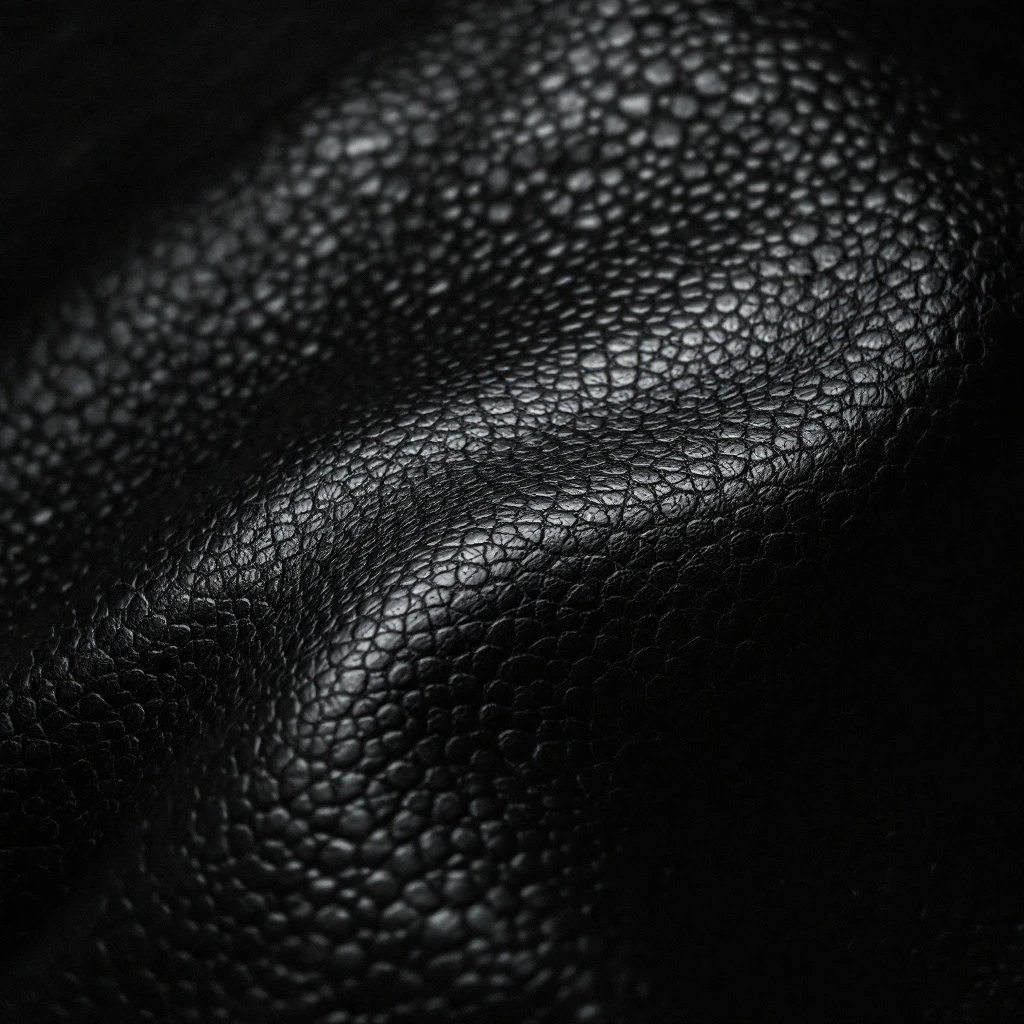
Warm, smoky, and aromatic—Morocco leather captures the essence of ancient tanneries where lamb and goat skins transformed into coveted goods through centuries-old craftsmanship. The note evokes saffron-dusted hide, cumin-spiced air, and the mineral depth of bark tanning, lending fragrances an unmistakable sense of depth and heritage.
Character
How it smells
Saffron-dusted hide from Fes centuries of tradition
Fes tanneries still use traditional recipes: pomegranate peel, olive oil, saffron, and natural tannins create the signature Morocco leather scent alongside the mineral tang of historic pits.







Origin
Morocco
Morocco leather emerged from Fes, the medieval capital of the Marinid dynasty that ruled from 1276 to 1465. The city housed hundreds of workshops producing high-quality lamb and goat hides prized across the Mediterranean.
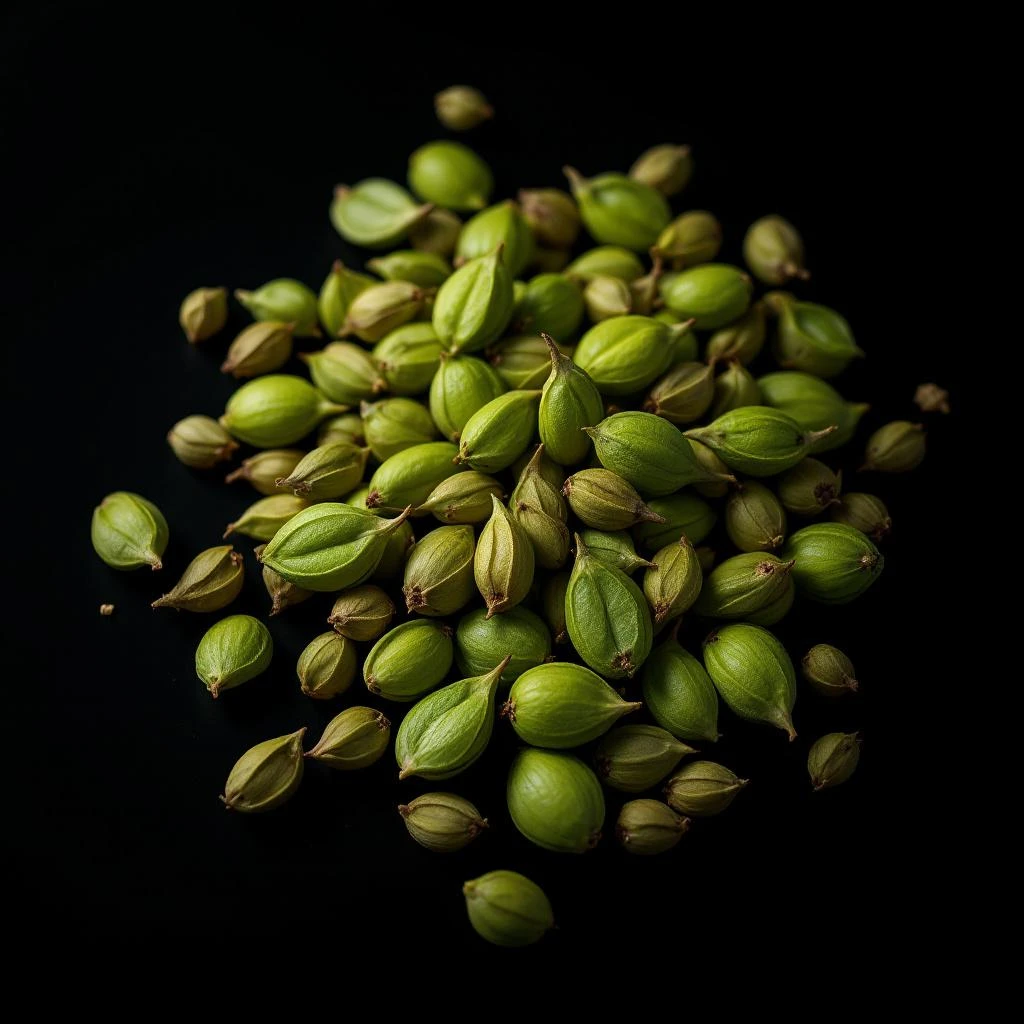
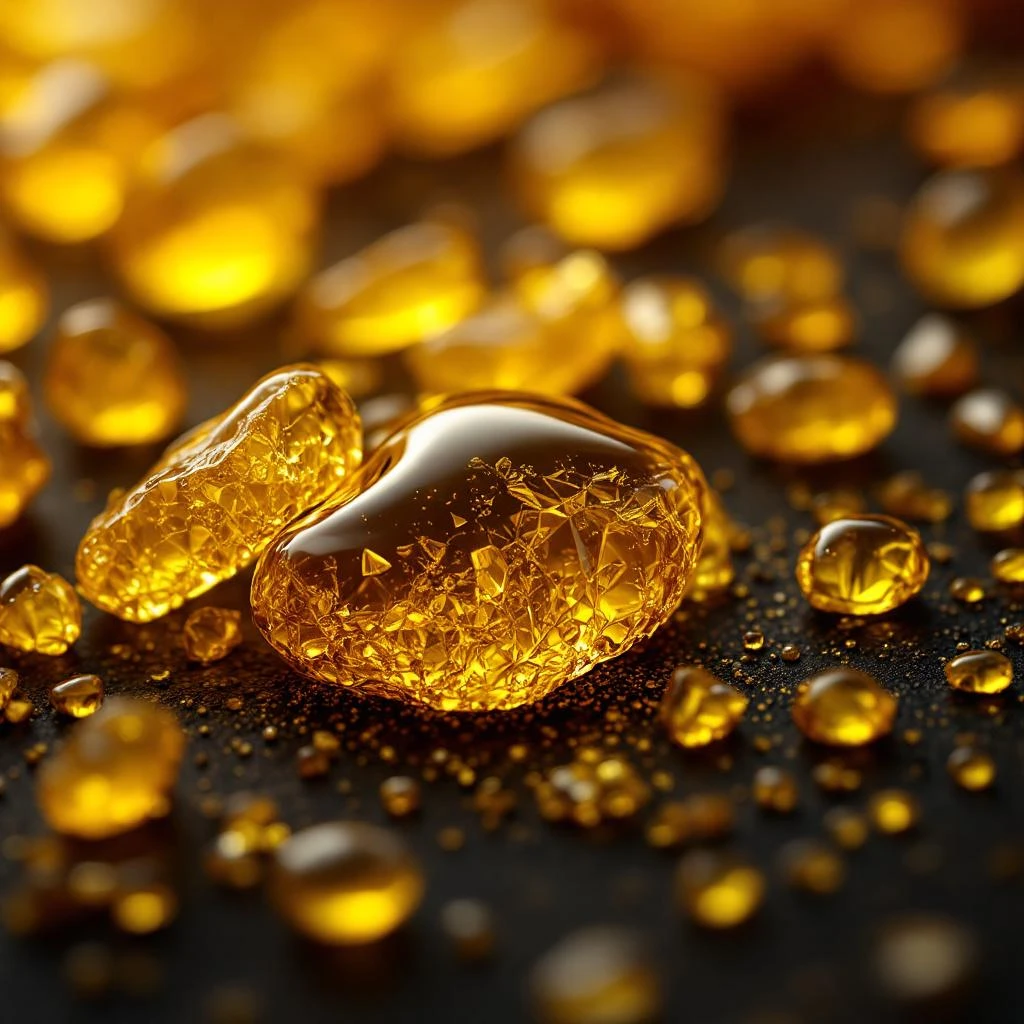
Craftsmen used traditional recipes with natural ingredients: saffron for golden warmth, cumin for spice, pomegranate for tannin, and olive oil for supple finish. Trade routes carried Fes leather to Andalusia, the Ottoman Empire, and beyond, establishing Morocco as the benchmark for aromatic leather production.
The scent of these tanneries became inseparable from the material itself, and perfumers began incorporating leather notes into compositions as early as the 16th century as a direct response to the pungent odors of tannery districts. By the mid-1800s, leather had become a fundamental note in masculine and oriental fragrances, and Fes remained the archetypal reference for warm, aromatic leather.
Wears it best
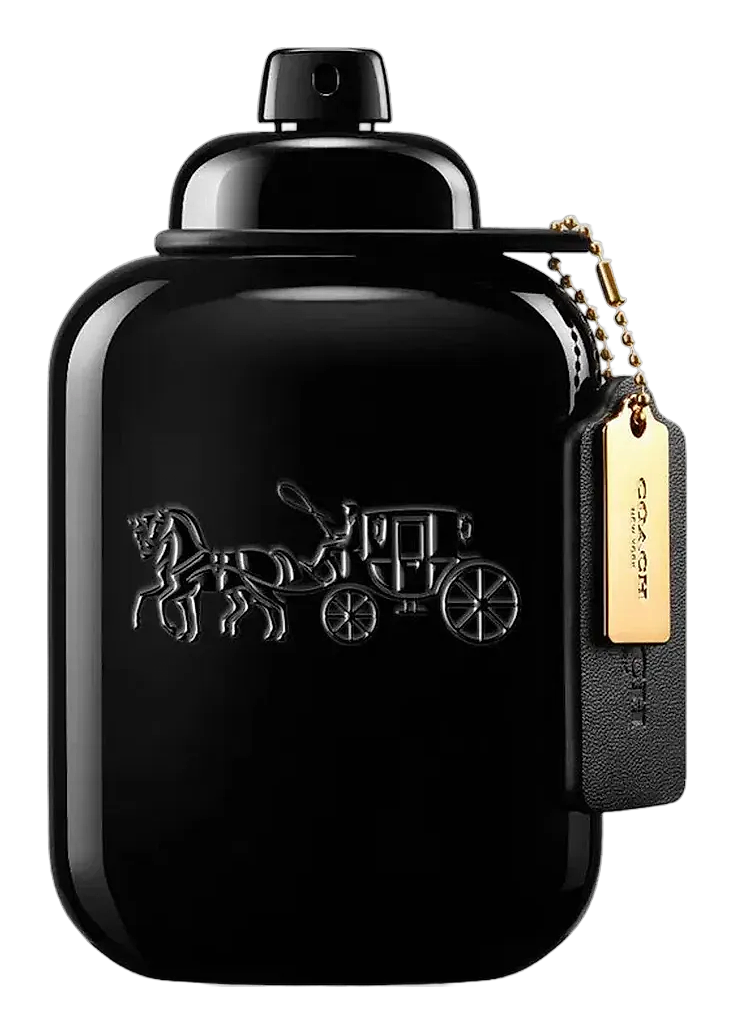
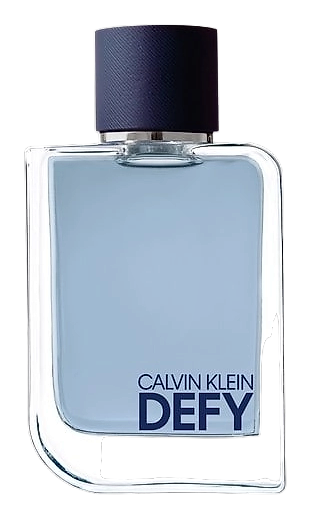
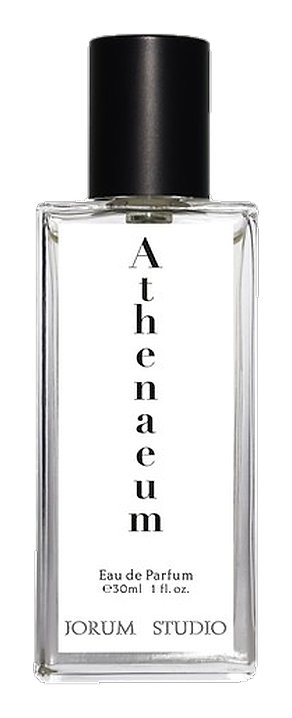
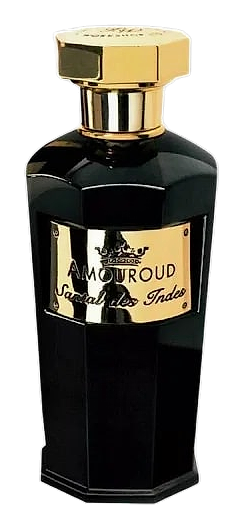
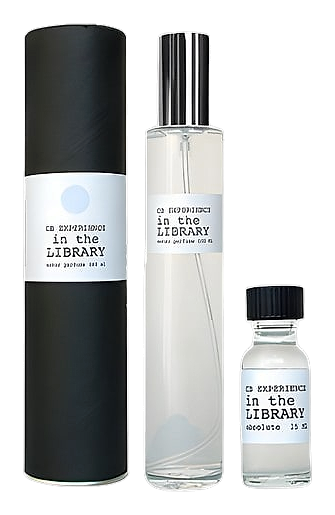
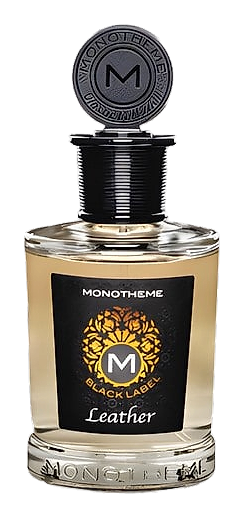
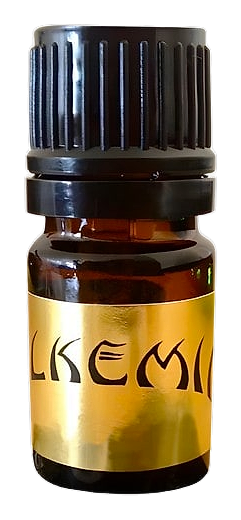
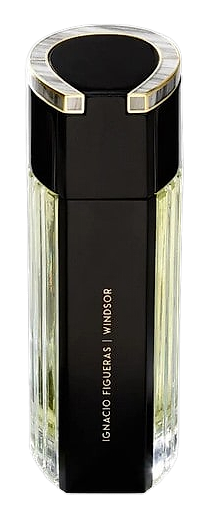
Fragrances featuring Morocco leather

Brands
Brands known for Morocco leather
Good to know
Questions, answered
The essentials on Morocco leather in perfumery: how it smells, where it comes from, and how it behaves on skin.
What is Morocco leather in perfumery?
Morocco leather is a fragrance note that recreates the warm, aromatic character of lamb and goat hides tanned in Fes, Morocco. It combines spicy, smoky, and mineral facets derived from traditional tanning ingredients like saffron, cumin, and oak bark.
How is Morocco leather produced for perfume?
Natural Morocco leather production involves mineral treatment, bark tanning, and hand-stuffing with spice pastes. Perfumery captures this aroma through CO2 extraction of leather materials and synthetic reconstruction using molecules like skatole and guaiacol to match the original scent profile.
Why is Fes historically significant for leather production?
Fes became the center of Moroccan leather production under the Marinid dynasty (1276-1465). Andalusian craftsmen fleeing Cordoba's fall in 1492 brought advanced techniques that refined Moroccan leather into a globally traded luxury material and the benchmark for aromatic leather notes.
What does Morocco leather smell like?
The note blends smoky depth with warm spice: saffron provides golden sweetness, cumin adds earthy warmth, and the base carries a mineral, animalic undertone reminiscent of traditional stone tanning vats. The effect is rich, warm, and deeply textured.
How does Morocco leather differ from other leather notes?
Suede reads as soft and dry, birch tar as sharp and smoky, and castoreum as animalic and resinous. Morocco leather sits between suede and castoreum, combining the warmth of saffron-spiced hide with mineral depth and soft animalic nuance.
Is Morocco leather a natural or synthetic material?
It is typically recreated through modern techniques rather than distilled directly from leather. Perfumers use CO2 extraction of treated leather scraps, synthetic reconstruction with molecules like skatole and vanillin, and complex accords combining labdanum, castoreum, and aromatic materials to achieve the signature profile.
What perfumes feature Morocco leather prominently?
Fragrances in the oriental and leather families use Morocco leather as a primary material. It appears as a base note in compositions ranging from classic masculines to modern niche orientals, where it adds warmth, depth, and historical resonance.
What fragrance families pair well with Morocco leather?
Warm oriental ingredients form natural combinations: saffron, amber, and oud amplify its spice and depth. Woody materials like sandalwood and cedar create structure, while animalic notes such as civet or musk intensify its characteristic warm, mineral character.