The Story
Why it exists.
The beginning
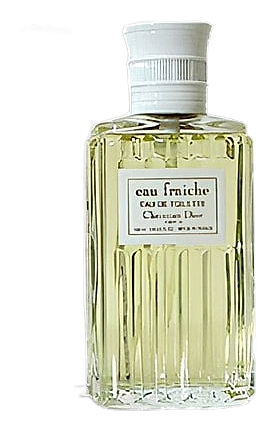
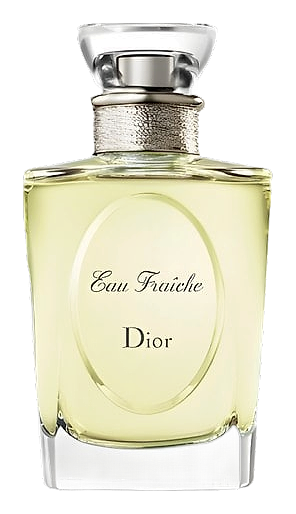
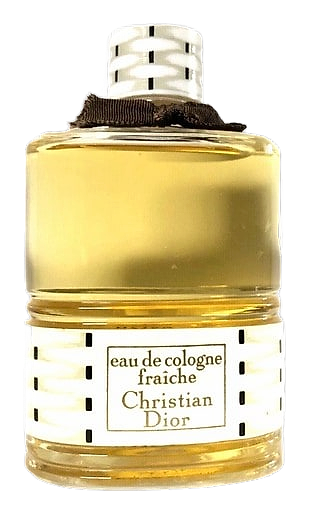
Edmond Roudnitska created Eau de Cologne Fraîche in 1952, at a moment when Dior's couture house was reshaping what luxury could mean. Roudnitska wasn't interested in complexity for its own sake. He'd trained under François Coty and understood that the best compositions often say more by what they leave out. The brief was simple: capture the feeling of morning light through a window. He delivered something that smelled like the hour before everything else started, clean, precise, and absolutely certain of itself.
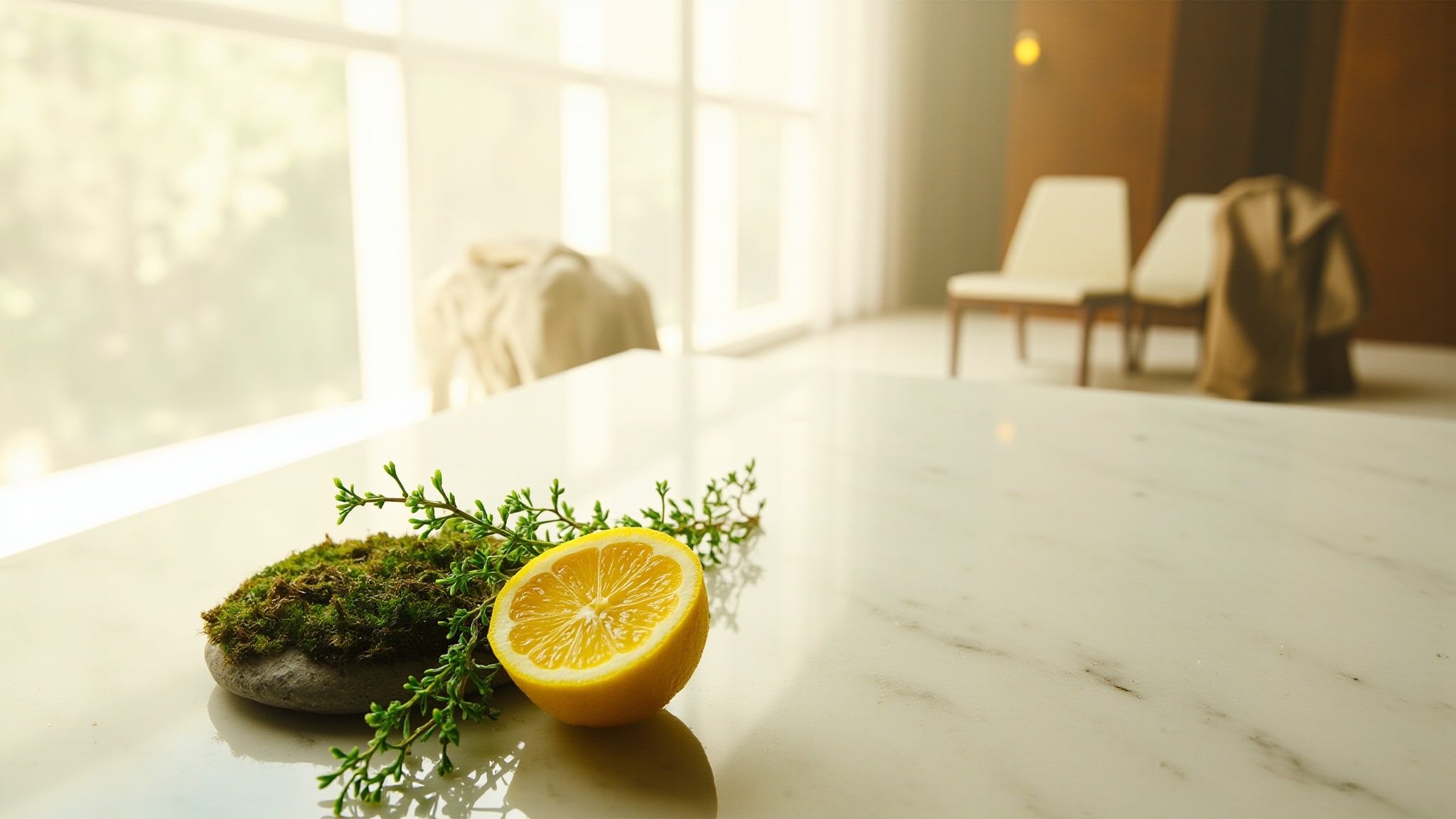
The structure is deceptively spare. Citrus at the top, a single woody heart note, moss and vanilla anchoring the base. No tricks, no flashy heart notes demanding attention. What makes it work is the proportion, each layer occupies exactly the space it needs and no more. Roudnitska understood that restraint is its own form of ambition. The oakmoss isn't just a base note; it's the architectural support that keeps the citrus from disappearing into nothing. Without it, the whole thing would evaporate before you left the house. With it, you've got something that holds for hours.
The evolution
The opening arrives like cold water. Lemon and verbena hit bright and sharp, almost astringent in their clarity. There's no sweetening here, no round edges softening the blow. Just the immediate sensation of something clean and direct. Within minutes, the verbena recedes and the rosewood emerges, smooth, warm, the kind of wood that feels polished rather than raw. The citrus doesn't disappear. It settles. Becomes part of the composition rather than the whole thing. By the third hour, the oakmoss takes over. Green and earthy and unmistakably vintage, it gives the composition its character. The vanilla underneath keeps it from going fully austere, just enough sweetness to keep it human.
Cultural impact
Eau de Cologne Fraîche occupies an unusual position in fragrance history. Released in 1952, it arrived at a moment when Dior's couture house was at its most influential. But rather than chase the dramatic florals that dominated the era, Roudnitska went the other direction, simplicity as a statement. The composition became a reference point, its citrus-moss structure endlessly imitated but rarely matched. It's the fragrance people describe when they say they want something that smells like it used to.