The Story
Why it exists.
The beginning
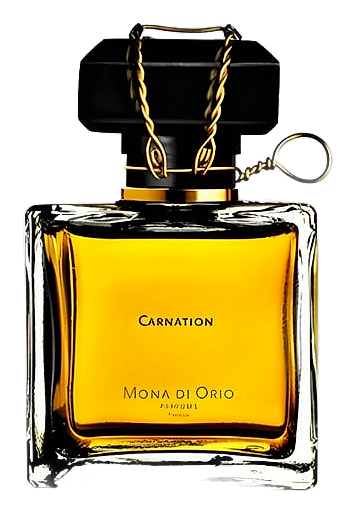
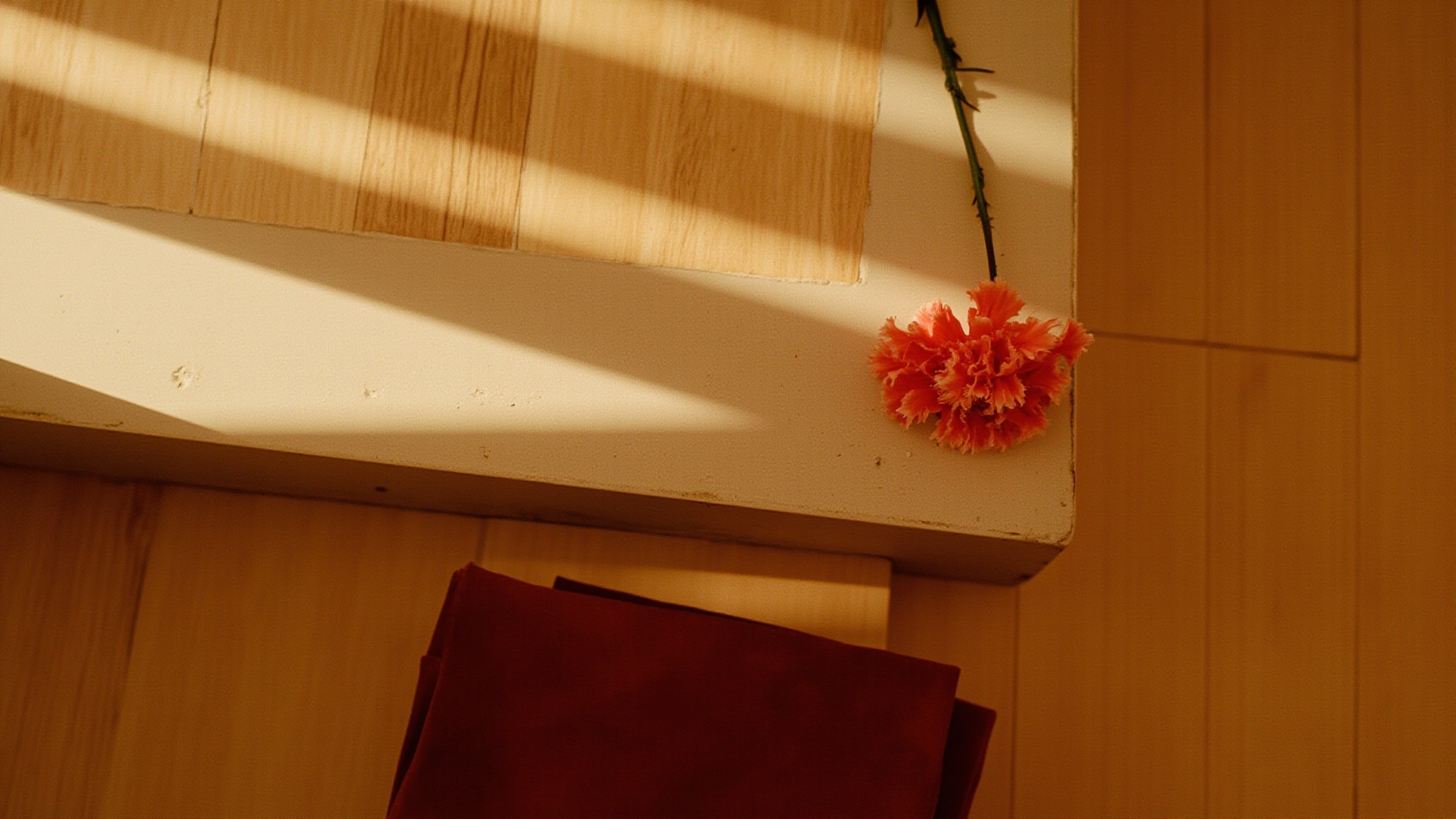
Carnation takes its name from the flower itself, di Orio's most direct compositional choice in a line built on subtler gestures. Where other fragrances in the collection hide behind metaphor or abstraction, Carnation simply names its dominant note and lets that declaration do the work. The flower carries centuries of meaning: spice, warmth, the edible scent of something both garden-grown and slightly wild. For di Orio, working at a moment when her reputation rested on classical restraint, naming a fragrance after its mostassertive material was a quiet act of confidence. Not a statement. A given.
What makes Carnation unusual is its structural logic: the carnation opens sharp and stays sharp, but di Orio never lets it cut. Instead, she built a scaffolding of amber beneath it, styrax, amber, musk, that catches the carnation mid-fall and holds it suspended in warmth. The suede-like quality reviewers mention comes from that amber-carnations duet. Ylang-ylang and jasmine provide the honeyed middle register, but they're passengers, not drivers. The violet adds powder without softness, keeping everything honest. The composition doesn't try to beautify its star ingredient. It tries to contextualize it.
The evolution
The opening hits in under thirty seconds. Carnation announces itself immediately, green, slightly medicinal, a note that reads almost metallic before it settles. On some skin, this phase lasts longer; on others, it compresses into the first few minutes. Either way, it's the tell. You know you're wearing Carnation during this window. Then the amber arrives. Not dramatically, not a wall of warmth that crashes over the carnation, but a slow infiltration. The spiky green softens at its edges. The ylang-ylang and jasmine begin their slow rise from the heart, bringing honey and cream with them. This middle phase holds for hours. Four, five, six, the florals maintain their position without overwhelming. They're present without being loud. When the drydown finally arrives, it's quiet. Musk and styrax linger close to the skin, a warm intimacy that stays through the evening. On fabric, traces remain until the next wash. On skin, close enough to discover rather than announce.
Cultural impact
Carnation occupies an unusual position in the di Orio line: it's the house's most direct fragrance, named after its dominant (if unofficial) material. Reviewers consistently describe it as the most original in the collection, distinguished by its unexpected pairing of sharp florals and suede-like amber. Wearers who appreciate its character tend to describe it as the fragrance they return to, a scent that asks something of you at first meeting and rewards you for staying.