The Story
Why it exists.
The beginning
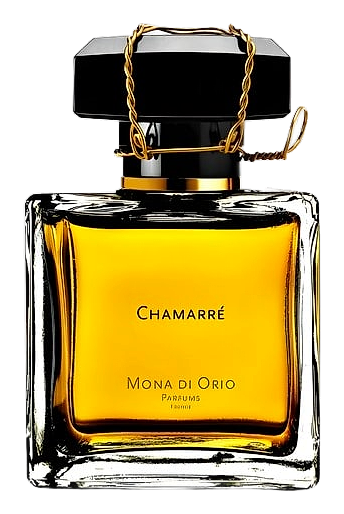
Chamarre launched in 2009, a period when aldehydic fragrances had largely been written off as relics of a bygone era. Mona di Orio thought otherwise. Her training under Edmond Roudnitska had given her an intimate understanding of how aldehydes function, not as a stylistic marker of vintage perfumery, but as a structural material capable of lifting and unifying an entire composition. The name itself, meaning 'mingled' or 'interwoven,' speaks to what the fragrance does: it weaves aldehydic brightness through lavender's herbal coolness and a powdery floral heart, refusing to let any single element dominate. For di Orio, Chamarre was a statement of intent, classical materials deployed without reverence, without nostalgia.
What makes Chamarre structurally unusual is how the aldehydes behave. Rather than arriving as a sharp, almost metallic burst that announces itself and then recedes, they integrate with the lavender from the first moments, softened by clary sage's slightly bitter herbal quality. The effect is a sparkling quality that feels woven into the composition rather than applied on top. The heart builds from this foundation, iris providing the powdery architecture, violet adding a quiet violet sweetness, Turkish rose grounding everything in something almost classical.
The evolution
The opening is bright and immediate, aldehydes hitting first with that characteristic effervescence, like champagne poured in a cold room. Lavender arrives within seconds, not to compete but to soften, to bring the aldehydes down to earth. Clary sage lingers in the background, adding an herbal dimension that prevents anything from feeling too sweet or too powdery at this stage. Around the 30-minute mark, the heart begins to assert itself. The aldehydic sparkle recedes but doesn't disappear, it transforms into something softer, a shimmering quality woven through the powdery florals. Iris and violet emerge as the dominant notes, creating a quiet, contemplative middle phase. The Turkish rose adds a subtle sweetness, a whisper of something romantic without tipping into sentimentality. By the second hour, the base takes over. Opoponax dominates, its warm balsamic character enveloping everything that came before. Amber adds depth and sweetness, while Cashmeran provides a velvety softness that extends the drydown well into the evening.
Cultural impact
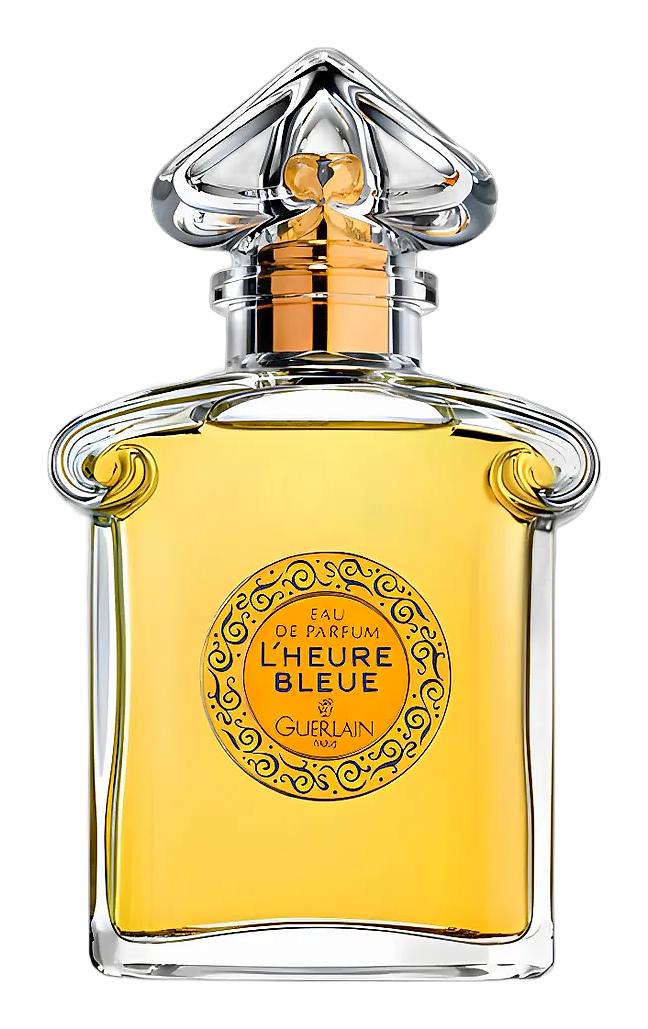
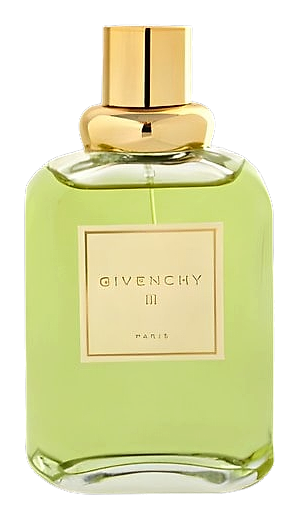
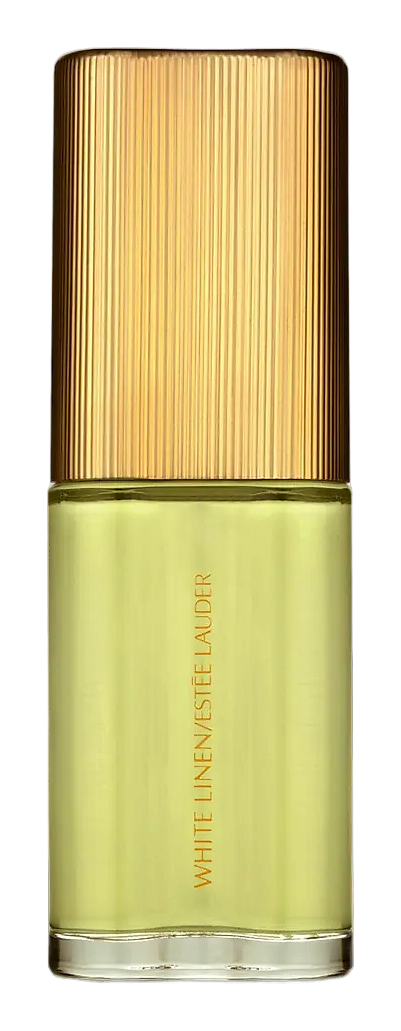
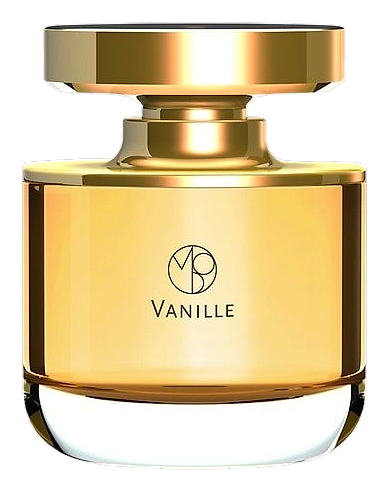
Chamarre occupied a particular corner of the niche fragrance world: aldehydic compositions for those who appreciated classical structure but wanted something that felt contemporary. It drew inevitable comparisons to Chanel No. 5, but where that fragrance represents aldehydes as an iconic artifact, Chamarre treated them as a living material, something to be woven into modern compositions rather than preserved in amber. The fragrance's discontinuation likely reflects its positioning as a work for the initiated rather than a broad audience: a composition that rewards attention but doesn't announce itself.