The Story
Why it exists.
The beginning
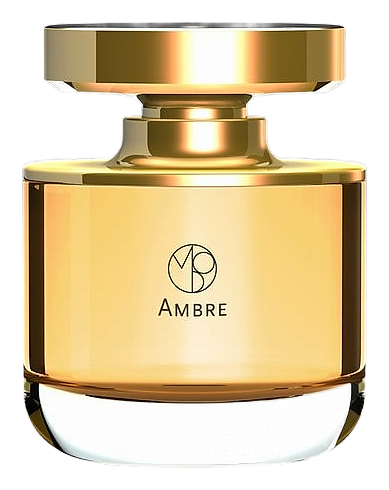
Ambre arrived in 2016 as part of L'Occitane's Les Classiques collection, a curated line of enduring fragrances built around a single idea. The brief was clear: amber as a feeling, not a stereotype. Not the heavy, cloying amber of older oriental fragrances, but something with air in it. The opening was engineered to catch light first, bergamot and freesia doing the work of a sunbeam through linen. Then the warmth follows, slow and honeyed, so by the time the drydown arrives, it feels less like a fragrance and more like a second skin.
What makes Ambre work is the restraint in the base. Vanilla and tonka bean could easily overwhelm, here, they're held in check by cedar, vetiver, and a muscular patchouli that keeps the sweetness from ever getting cloying. Labdanum acts as a bridge, a resinous connector between the soft heart and the woody base. The result is a fragrance that wears like weather, present, ambient, impossible to pin down to a single moment. Bergamot from Calabria opens the top, lending a clean citrus quality that cools the warmth before it can become heavy. Freesia adds a fleeting floral softness, barely there, just enough to keep the amber from reading as masculine.
The evolution
Bergamot and freesia open together, clean, cool, a little green. The citrus reads sharp for the first ten minutes, then softens as the freesia fades and something warmer takes its place. Around the thirty-minute mark, amber arrives. Not loud. Not aggressive. Just a slow, honeyed warmth that builds against the skin. Tonka bean anchors the heart. Plum adds sweetness, but it's quiet, more suggestion than statement. By the second hour, vanilla and musk take over. The drydown is intimate, skin-warm, close. Cedar and vetiver underneath keep the sweetness grounded. The base holds for 8-10 hours. That warm amber-vanilla drydown, the part that stays, the part you find on your wrist the next morning, surprised.
Cultural impact
Ambre's 2016 launch arrived at a turning point for the amber category. Rather than competing with the dense oriental templates that had dominated for decades, Les Classiques de L'Occitane positioned warmth without weight as the new standard. The fragrance tapped into a broader cultural shift toward comfort-oriented scents, a trend that accelerated in the years following its debut. Community discussions frame Ambre as an accessible entry point into amber compositions, often recommended to newcomers wary of overwhelming oriental structures. The house's 1976 founding gave this release historical credibility, and its restraint versus spectacle contrast resonated with wearers seeking sophistication over sillage.