
The Story
Why it exists.
The beginning
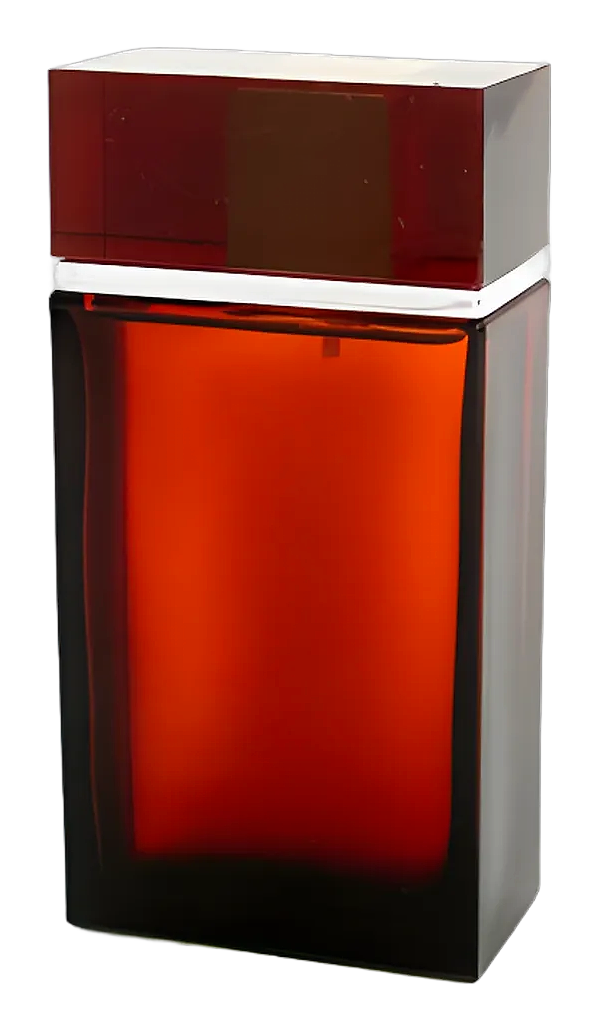
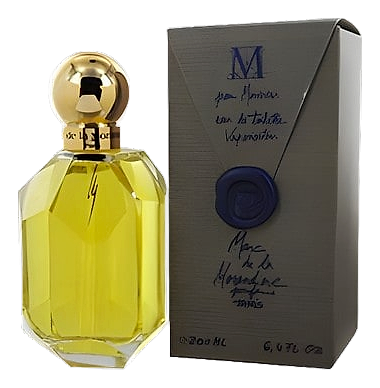
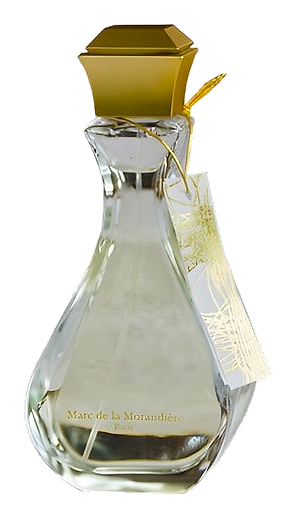
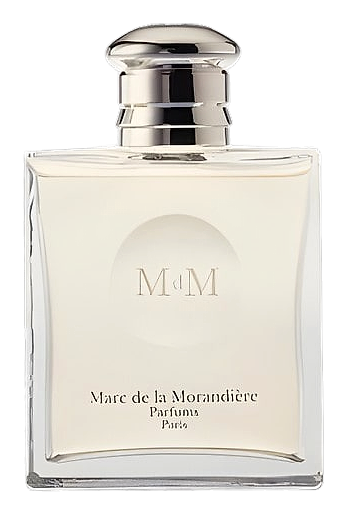
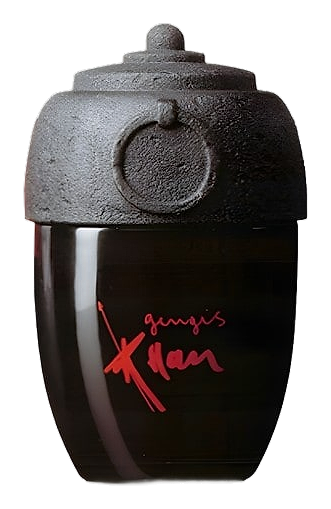
Gengis Khan arrived from Marc de la Morandière, a French independent perfumer whose name appears as the creator on sources like Fragrantica and Parfumo, with both databases noting 1989 or thereabouts for its release. The house operated on its own terms, releasing compositions under a roster of names that include Sissi, Bleu de Chine, and M pour Monsieur, each title pointing to a different olfactive concept rather than a single house style. The bottle was designed by Serge Mansau, whose sculptural work for various fragrance houses is well documented across the industry. A historical conqueror rendered in resinous green, the composition reads as a fougère of unusual density and ambition, the kind of piece that rewards a wearer who appreciates cold aromatic textures over sweet ones.
The composition is structurally old-school: citrus and aromatic herbs up top, white florals in the heart, a resinous-woody drydown anchored by patchouli, frankincense, vetiver, and pine needles. But the density of the opening, a full top accord of clove, nutmeg, juniper, thyme, lavender, mint, lemon, and bergamot working in concert, gives it a muscularity that simpler aromatic fougères never achieve. That spice overload is the architectural choice.
The evolution
The first thirty minutes are a controlled collision. Bergamot and mint provide a bright entry, then clove push forward with a fougère-grade sharpness that some wearers describe as biting, almost synthetic, a clarity that announces itself in any room. Within forty-five minutes the lavender and thyme soften the edges and the florals, rose, jasmine, lily of the valley, take over, though they never dominate. They sit beneath the spice like gauze over a wound. By the second hour the composition has settled into its drydown: patchouli, frankincense, benzoin, pine needles, vetiver. This is where Gengis Khan lives. The green resinous warmth stays close to the skin and remains present through the evening hours, the spice elements gradually fading while the incense and pine take fuller command of the drydown.
Cultural impact
Gengis Khan holds a particular place in the catalog of Marc de la Morandière as one of the more assertive compositions the house produced, a fougère that leans further into resinous-green territory than its peers. Wearers describe it as the scent of someone who walks into a room already knowing why they're there. The incense-and-pine character marks it as an aromatic fougère in the old mode, structured around classic masculine accords rather than the sweeter gourmands or aquatic compositions that dominated later decades. Its presence is felt more than seen, the kind of composition that rewards curiosity rather than impulse.