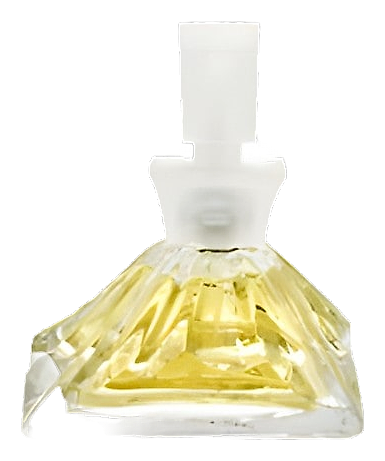

The Story
Why it exists.
The beginning
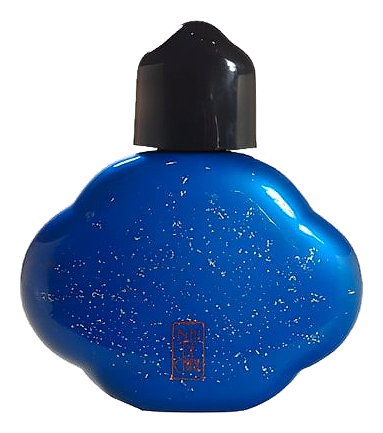
Sissi is named for Empress Elisabeth of Austria, the Sisi immortalized by Romy Schneider in the Luchino Visconti films. A woman beautiful and unreachable, her melancholy a kind of crown. Pierre Bourdon translated that duality into scent: a woman warm and complicated, powerful in her restraint. The name was a statement of intent. Not a love letter. A portrait. The 1989 release arrived from an independent French house at a moment when the fragrance market still rewarded artistic choices over market research. Bourdon built something specific: a floral chypre with the powdery elegance of an earlier era, but charged with a green tension that kept it from feeling retrospective. Sissi wasn't made to please. It was made to haunt.
The classical chypre structure, oakmoss, musk, vetiver, provided the bones. What made Sissi distinctive was the abundance of the floral heart. Six notes, including yellow-floral ylang-ylang and green-floral narcissus. A lesser perfumer would have let it bloat. Bourdon kept the structure intact, letting the powdery iris and violet sit atop the woody base without tipping into abstraction. The vanilla and sandalwood at the base prevent the powder from becoming too dry. Cream against cream. It's that balance, opulent but grounded, vintage but not nostalgic, that separates Sissi from simpler floral compositions.
The evolution
The opening hits first. Galbanum's green bite alongside neroli and ylang-ylang, a burst of green-cream that announces itself with unusual confidence for something that becomes so intimate in the drydown. The first thirty minutes carry more presence than the name suggests. Then the galbanum recedes. The ylang-ylang settles. The heart arrives quietly, iris and violet and lily of the valley turning powdery and close. Jasmine and rose add depth beneath the surface, you're aware of them without being able to name them. The woody base arrives last: sandalwood creamy, vanilla adding warmth, vetiver earthy, oakmoss grounding everything into place. This is where Sissi lives. Close. Warm. Intimate without disappearing. Lasts well into the evening on most skin types, that drydown holds for hours, staying near rather than projecting. On fabric, the florals linger longest. Two days isn't unusual.
Cultural impact
Sissi arrived from a French independent house in 1989, a period when the fragrance market still had space for artistic choices over commercial formulas. Pierre Bourdon, the same nose behind multiple landmark fragrances of the 1980s, brought his signature approach: classical structure, unexpected tension, complexity that rewards attention. The floral chypre genre was well-established by then, but Sissi distinguished itself through that green-galbanum bite and an unusually rich floral heart. The powdery iris-vanilla drydown gives it a vintage character that some find timeless and others find dated. That's the nature of chypres, they divide opinion, and the ones worth wearing are the ones that don't try to please everyone.
The House
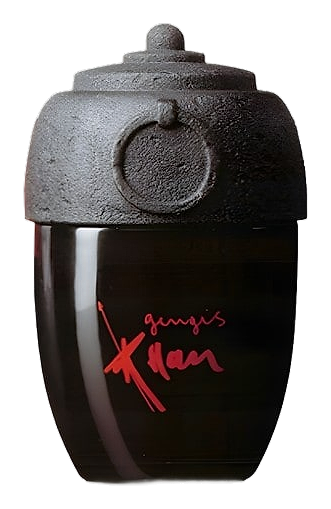
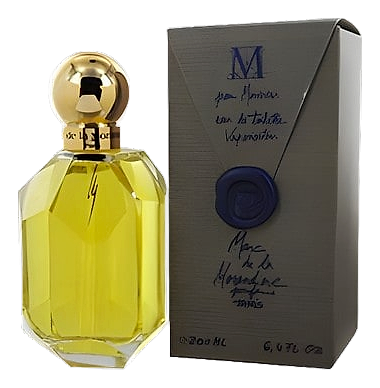
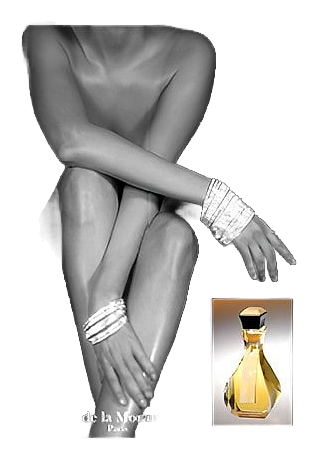
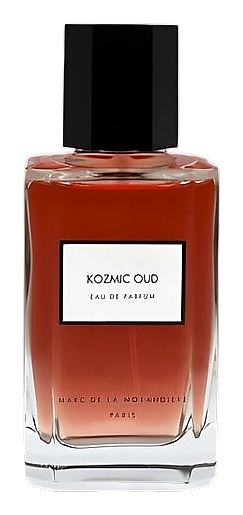
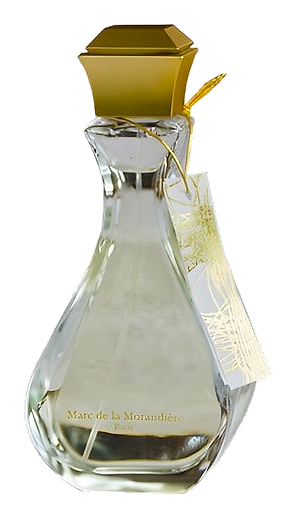
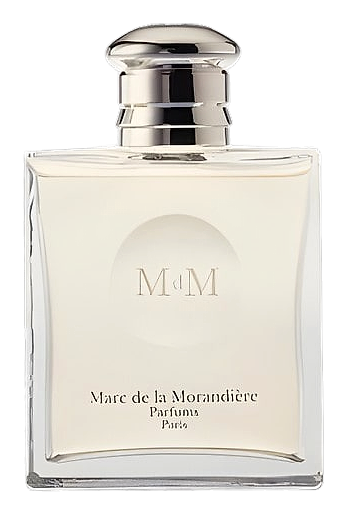
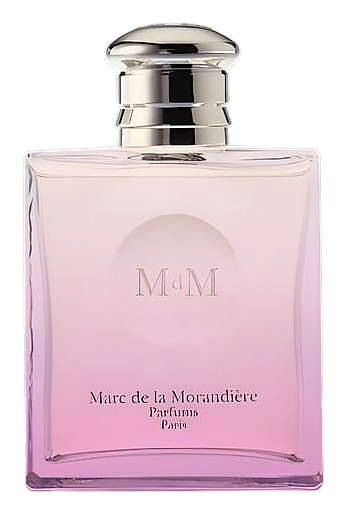
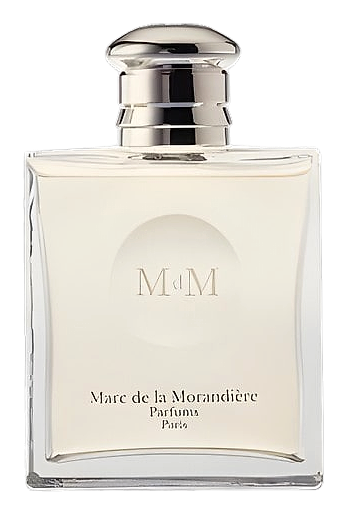
Marc de la MorandiereMarc de la Morandiere emerged as an independent French fragrance house in the 1980s, founded by a designer who previously operated his own fashion house before transitioning into niche perfumery. The brand carved out a distinctive position in an era when bespoke fragrance houses remained rare, offering scent compositions that prioritized artistic expression over commercial appeal. Operating as one of the few fully independent French niche houses of its time, Marc de la Morandiere developed a focused collection of approximately two dozen perfumes released between 1987 and 1996. The house gained recognition for bold, unconventional fragrance concepts, with names like Gengis Khan and Kozmic Oud signaling a deliberate departure from mainstream fragrance sensibilities. Each release reflected the founder's personal vision rather than market research, establishing the brand as a quiet reference point for collectors seeking French craftsmanship with an avant-garde edge.
The Creator
Pierre BourdonBourdon's signature lies in clarity and restraint. He favors transparency in composition, building fragrances that breathe rather than overwhelm.