




Heritage
A house, in its own words
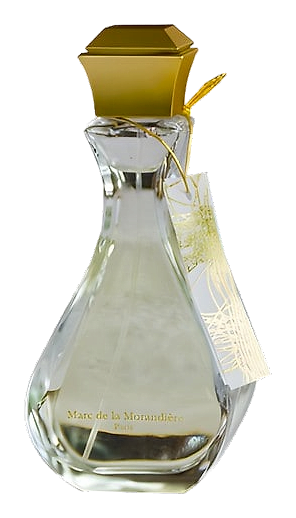
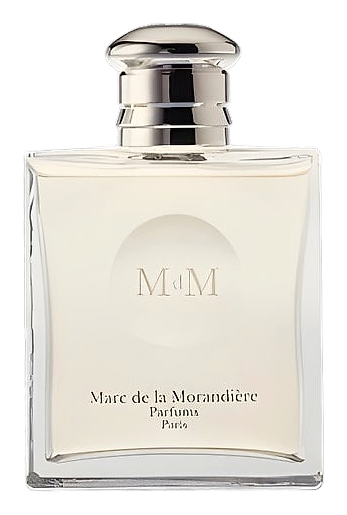
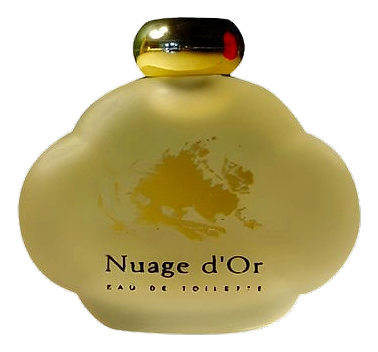
The story of Marc de la Morandiere begins with a designer who built and operated his own fashion house before selling it to a Japanese group in the 1980s. Following this transaction, the founder turned his attention toward perfumery, establishing the fragrance house that bears his name. This trajectory from fashion to fragrance was not uncommon among French designers of the period, many of whom sought to extend their creative identities beyond clothing. What distinguished Marc de la Morandiere was the decision to remain entirely independent at a time when larger luxury groups were actively acquiring and consolidating perfume houses. The brand operated from France, maintaining French production and creative control throughout its active years. The niche fragrance market as it exists today did not yet exist in the 1980s; bespoke perfumery remained the province of a small, knowledgeable audience. Marc de la Morandiere positioned itself within this emerging category, creating fragrances for customers who sought alternatives to the commercial releases of established houses. The brand did not pursue mass distribution or department store presence, instead cultivating a reputation through specialty retailers and fragrance enthusiasts who discovered it through word of mouth. This approach aligned with the founder's background in fashion, where bespoke tailoring and limited production had already shaped his understanding of luxury and exclusivity. The house maintained a deliberate pace of releases, approximately two dozen perfumes across roughly a decade, allowing each composition to receive individual attention rather than flooding the market with perpetual newness. The philosophy guiding Marc de la Morandiere appears rooted in creative autonomy and the rejection of commercial compromise. Having operated his own fashion house, the founder understood the pressures of producing for a broader market and chose a different path for his fragrance venture. The brand's perfumes were created to express specific olfactory visions rather than to fill market gaps or follow seasonal trends. This approach manifested in fragrance names that suggested narrative depth and cultural specificity, from Gengis Khan to Sissi, each title implying a distinct creative concept rather than a marketing positioning. The house operated without the production schedules or quarterly targets that govern mainstream fragrance houses, allowing compositions to develop at their own pace. This autonomy extended to the selection of ingredients and the construction of scent profiles, which prioritized originality over predictability. The brand attracted customers who valued the difference between a fragrance created to specifications and one created to sell. This customer relationship required trust and shared sensibility, as niche buyers of the period often purchased based on description and reputation rather than the sampling infrastructure available today. The philosophy ultimately centered on fragrance as a form of personal expression, a vehicle for identity and memory that transcended the functional role of a consumer product.