The Story
Why it exists.
The beginning
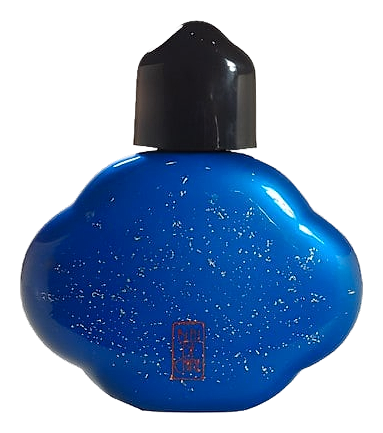
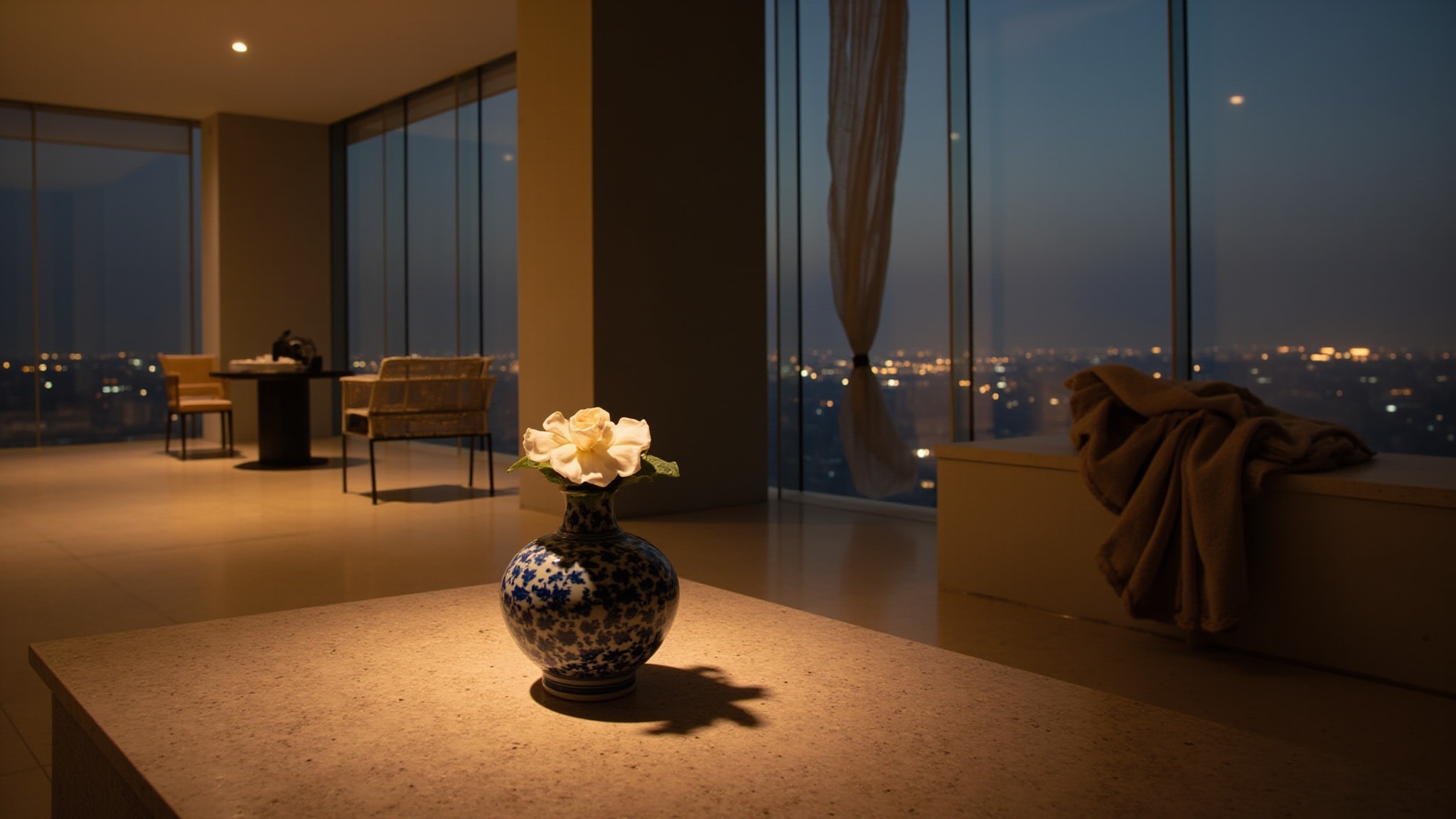
Bleu de Chine arrived in 1987, when Pierre Bourdon was at the height of his powers. The name references Chinese blue-and-white porcelain, that particular cool, mineral blue against a white field. Bourdon built the fragrance around that tension: cool aldehydic opening, then warmth on skin. A reference to the Far East translated into French chypre structure. The result was neither literal nor predictable, more an impression of depth and stillness than any geographic translation. In 1987, independent French houses were rare. Marc de la Morandiere gave Bourdon the freedom to build something that had no commercial brief, no trend to chase. This is what that looked like.
The structural decision that defines Bleu de Chine is the oakmoss placement. Most modern fragrances treat oakmoss as a whisper, if it appears at all. Here it arrives in the heart phase, asserting itself alongside sandalwood and vetiver, creating a green, mineral, slightly dirty counterpoint to the lush white florals above. The jasmine and tuberose don't become powdery on their own. The oakmoss makes them so. It's a classic chypre mechanism, but the proportion here favors the florals over the moss, a gentler vintage than most, powdery rather than harsh, warm rather than austere. The vanilla and tonka in the base don't compete with the oakmoss. They frame it.
The evolution
The aldehydic opening hits first, bright, slightly fatty, the bergamot making it citrus-sharp before the florals arrive. Jasmine and tuberose announce themselves within minutes, cream meeting intensity in the opening minutes. This phase is the most projected. If sillage is the measure, it's here. The oakmoss arrives around the thirty-minute mark, shifting the character from radiant to grounded. The florals don't disappear, they deepen, becoming more textural as the green-woody base establishes itself. The sandalwood keeps the whole thing creamy. The vetiver adds a slight edge, a herbaceous lift that stops the composition from becoming heavy. By hour three, the drydown is powdery-resinous. Vanilla and tonka bean create warmth close to the skin. The musk is clean, present but not animalic. The oakmoss lingers beneath everything, still detectable, still providing that mineral-green undertone. On fabric, this fragrance can last into the next day. On skin, plan for six to eight hours of presence before it fades to a quiet close.
Cultural impact
Bleu de Chine occupies a specific moment in niche perfumery: the late 1980s, before the category became what it is today. The fragrance was built for someone who already knew what a chypre was, who appreciated powdery structure and oakmoss as a feature rather than a flaw. Discontinued now, it circulates among collectors and enthusiasts who seek out Bourdon's more uncompromising work. The composition holds up against much of what came after, its restraint, its structural clarity, its refusal to shout. It doesn't need rediscovery. It simply waits for the right nose.