The Story
Why it exists.
The beginning
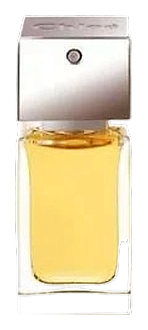
Ayako arrived in 1999 from the bench of Marc de la Morandière. It's a white floral with marine lift, a composition that opens with a rush of cool, salt-edged air before the flowers ever arrive. The top notes carry that briny, almost-translucent quality, the kind of opening that feels like standing near a window with the sea on the other side, and it sets the entire fragrance's temperature. Once the florals settle in, there's no heaviness, no cloying sweetness, just clean petals with a breeze still moving through them. The composition holds its clarity from first spray to final hours, the marine accord refusing to fully dissolve into the warmer base.
What's interesting is the structural tension underneath. Jasmine and tuberose are heavy hitters, lactonic and narcotic at full volume, the kind of flowers that can smother a composition if left alone. Marc de la Morandière pulls them sideways with sea notes at the opening, a marine current that prevents the floral heart from ever going powdery or suffocating. Then ylang-ylang adds a dense tropical richness, almost custardy in its weight, and rose threads through with a warmth that keeps the whole thing grounded against the cooler notes that frame it.
The evolution
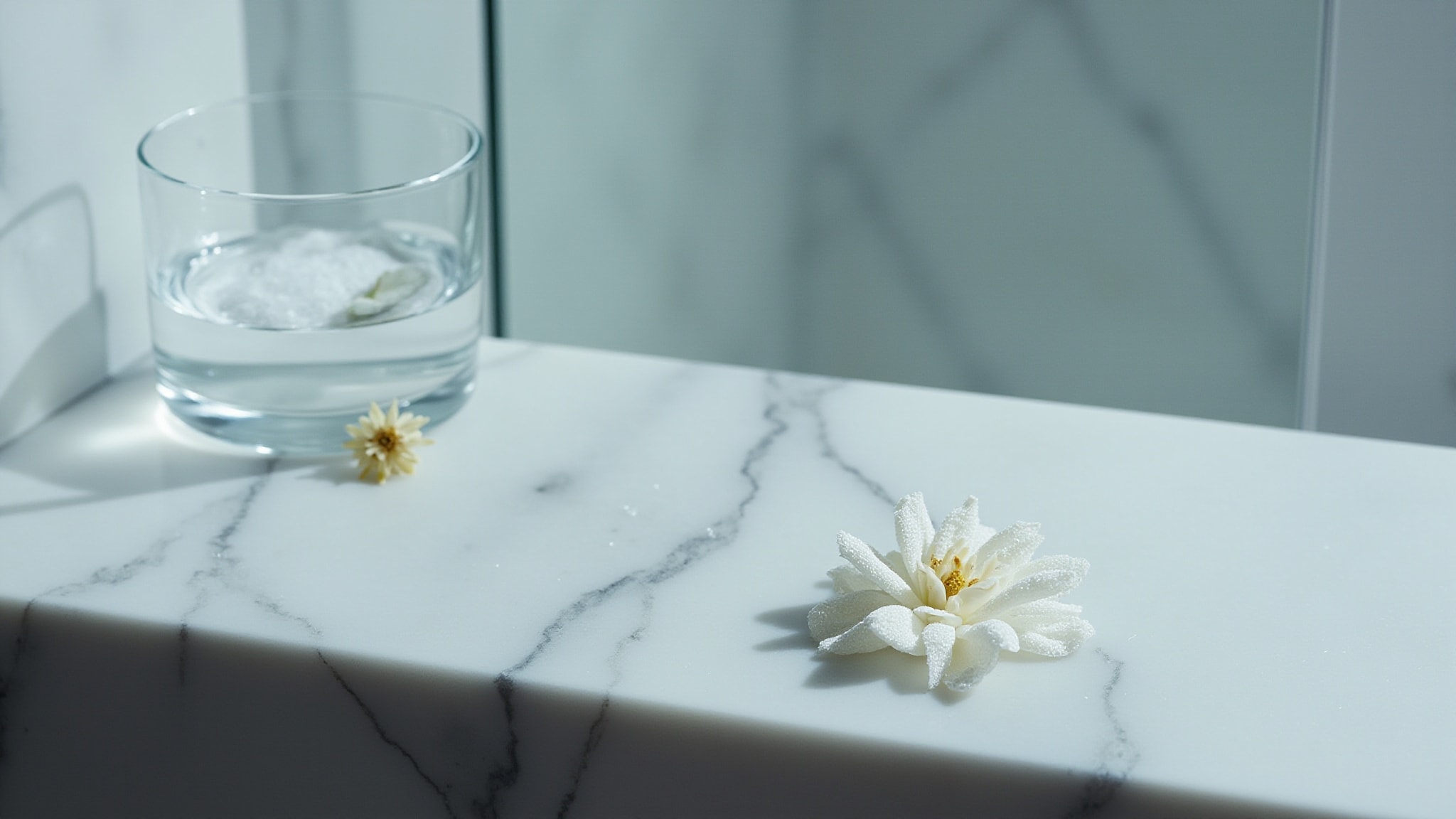
The first fifteen minutes belong to the sea. Jasmine opens green and cool, lily-of-the-valley adds a cucumber brightness, and the marine accord sits underneath like cold light through glass. Nothing heavy yet. Almost transparent. Then the white floral heart arrives, and the temperature shifts. Tuberose comes in first, creamy and slightly fleshy, joined by ylang-ylang and rose, the composition thickening into something warmer, almost edible. The cool opening doesn't vanish, though. It lingers at the edges, keeping the florals from tipping into sweetness. Over time, the base notes begin to emerge from underneath the floral heart, the sandalwood giving it a milky creaminess, benzoin adding a faint resinous warmth, and white musk pulling everything close to the skin. The marine accord fades into memory, but never fully leaves, a trace of salt still audible even in the later stages of wear.
Cultural impact
Ayako occupies a specific place in the late-1990s landscape of independent perfumery, a white floral that refused to follow the prevailing trends of the period. Its blend of tuberose, jasmine, and rose with a marine accord at the opening made for something cooler and more architectural than most women's launches of its era. The composition moves with a kind of structural logic, the marine top creating negative space around the heavy florals rather than competing for it. Production appears to have been discontinued, which places it firmly in collector territory now.