
The Story
Why it exists.
The beginning
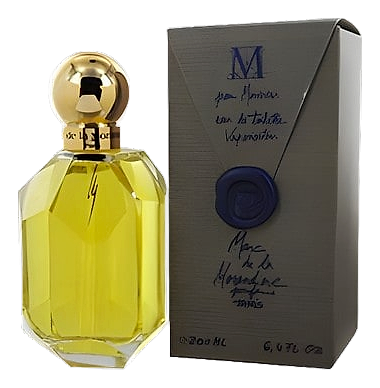
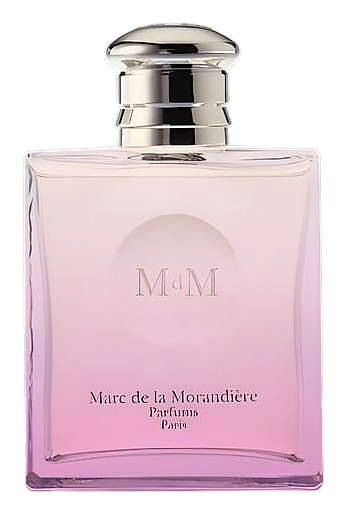
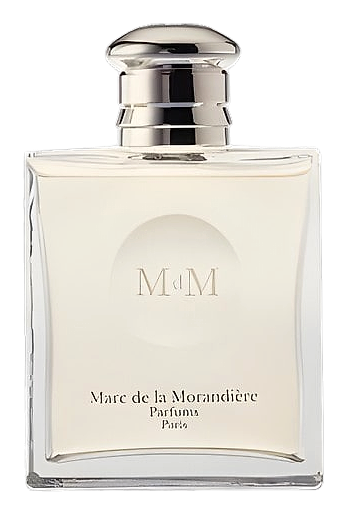
There's something deliberate about a fragrance called Melody. Music has structure, and so does this. Marc de la Morandière, the perfumer behind his own independent French house, built this composition with a clear sense of intention. The fragrance sits firmly in the oriental floral category, leaning into a rich, resinous warmth that runs through every phase of wear. The name itself reads as a music term, but the scent underneath tells its own story through honeyed flowers, smoldering incense, and a balsamic undertow that anchors the whole composition. It's a fragrance that asks you to listen with your nose. The accord layering is smart: bright citrus at the top, a powdery floral heart that never goes flat, and a base of vanilla, benzoin, and amber that does most of the quiet, heavy work.
What makes Melody interesting is the collision of two unlikely registers. The floral heart runs deep: mimosa, jasmine, rose, violet, and lilac, layered over sandalwood and cedar. That's a powdery, tender register, the kind of bouquet that might land soft and forgettable in lesser hands. But the top and base refuse to let it. Styrax and incense in the opening introduce a smoky, almost ecclesiastical gravity, while black pepper and ylang-ylang add a warm-spiced edge that cuts right through the sweetness.
The evolution
The first quarter hour belongs to incense and styrax, with black pepper cutting through the bergamot like a spark in dry kindling. It's smoky and bright at once, almost liturgical, if churches smelled faintly of hawthorn and something sharper in the air. Then the flowers arrive, and they don't arrive politely. Mimosa and honey flood in together, backed by jasmine and a dusting of violet and lilac that softens the edges of the smoke still hanging around. The honey is the protagonist here. It goldens the bouquet, turns the incense from serious to something approaching decadent, and gives the whole composition a slow, syrupy warmth that builds rather than fades. Rose and sandalwood keep it anchored, warm and slightly creamy, preventing the florals from dissolving into pure sweetness.
Cultural impact
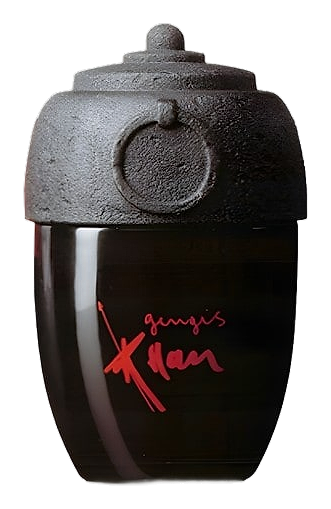
Melody belongs to the broader family of oriental florals that French perfumery has long done well: compositions built around the dialogue between honeyed flowers and resinous, balsamic bases. Within that tradition, this particular scent leans hard into the warmest, most indulgent end of the spectrum. The house also produced scents like Sissi, Bleu de Chine, and Gengis Khan, each one offering a different mood but drawn from the same instinct for narrative-driven perfumery.
The House
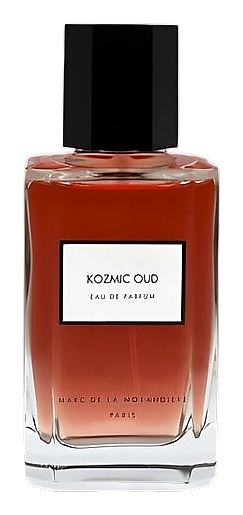
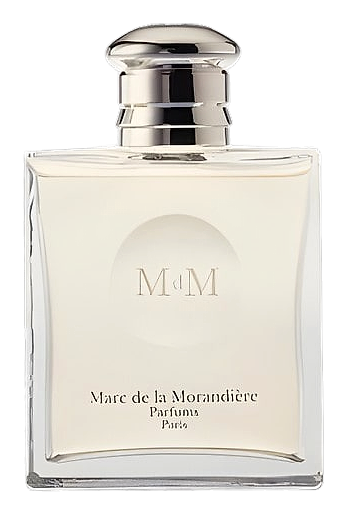
Marc de la MorandiereMarc de la Morandiere emerged as an independent French fragrance house in the 1980s, founded by a designer who previously operated his own fashion house before transitioning into niche perfumery. The brand carved out a distinctive position in an era when bespoke fragrance houses remained rare, offering scent compositions that prioritized artistic expression over commercial appeal. Operating as one of the few fully independent French niche houses of its time, Marc de la Morandiere developed a focused collection of approximately two dozen perfumes released between 1987 and 1996. The house gained recognition for bold, unconventional fragrance concepts, with names like Gengis Khan and Kozmic Oud signaling a deliberate departure from mainstream fragrance sensibilities. Each release reflected the founder's personal vision rather than market research, establishing the brand as a quiet reference point for collectors seeking French craftsmanship with an avant-garde edge.
The Creator
Marc de la MorandièreBased on the temporal span of his work, de la Morandière's style likely reflects the transitional period between the opulent fragrances of the 1980s and the cleaner aesthetics that would emerge in the late 1990s. His output between 1987 and 1996 suggests versatility, moving th…