The Story
Why it exists.
The beginning
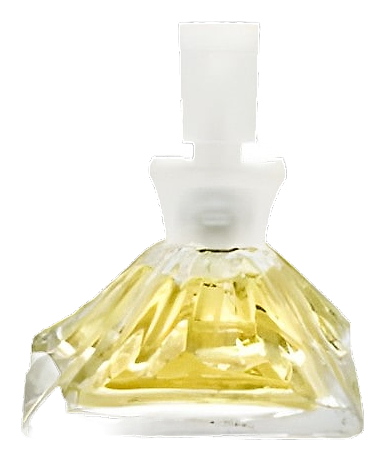
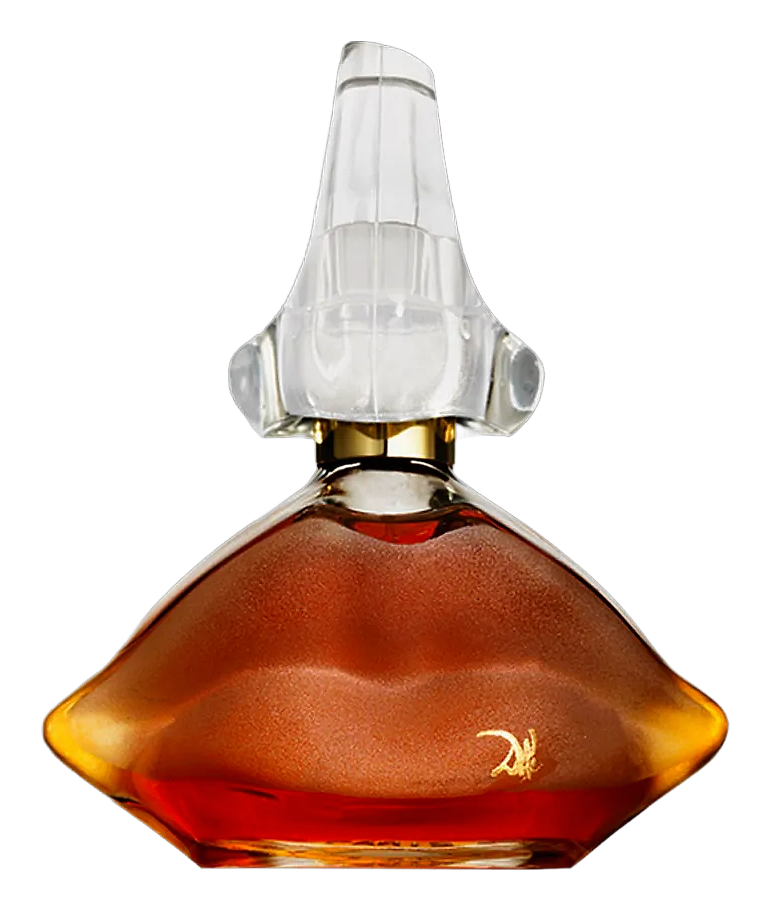
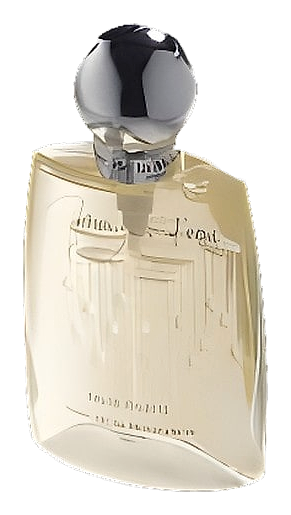
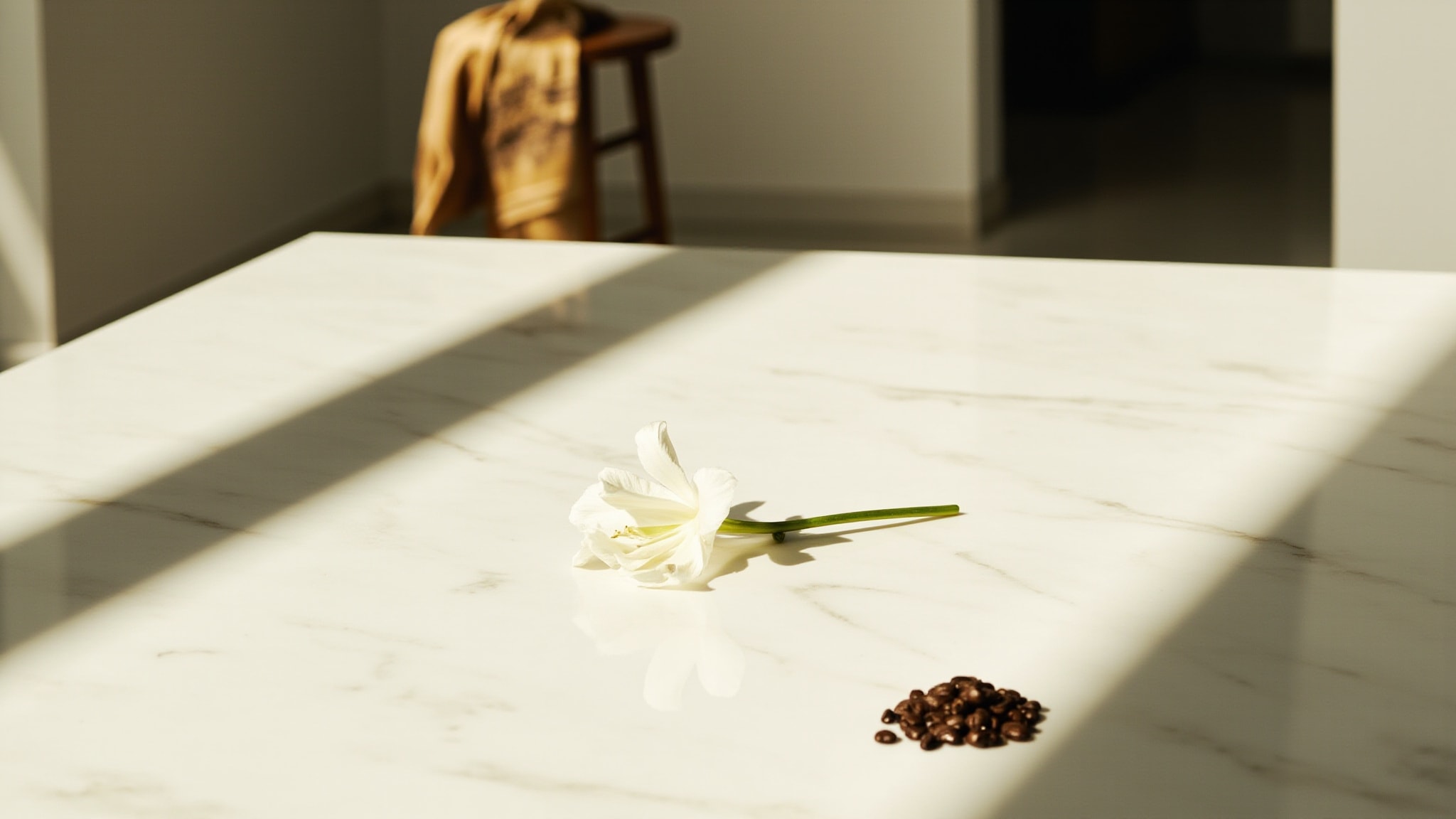
Nuage d'Eau arrived in 1987, the work of Maurice Maurin, a perfumer whose hand shows up across the catalog of Marc de la Morandière. The name translates as 'water cloud,' a signal of something atmospheric, weightless, almost meteorological. But the composition underneath that name tells a different story. The opening pulls you in with tarragon and coriander, those green aromatic herbs that catch light off a blade of grass. Egyptian jasmine blooms through the heart, indolic and warm, almost dewy in the way it lifts off skin. Then the base turns unexpectedly deep: benzoin brings its resinous sweetness, and coffee absolute grounds everything in something roasted and bitter, the kind of note you smell curling out of a café door at dusk.
The unusual move here is the tarragon and coriander opening paired against a single jasmine heart, then anchored by coffee absolute in the base. Coffee in a floral composition brings a roasted warmth that shifts the whole register, pulling the sweetness of the jasmine away from anything powdery or syrupy. The Egyptian jasmine does the heavy lifting in the middle, lush and slightly indolic, with that ripe almost-fruit quality that good jasmine carries. But the herbal top keeps the whole thing lifted and alive, a green sharpness that prevents the floral from going soft.
The evolution
The first ten minutes are sharp and green. Coriander and tarragon arrive almost like a salad dressed with something peppery, the freesia softening the edges just enough. Then the jasmine takes over, and the scent shifts into something fuller, almost narcotic. That heart phase lasts about an hour on most skin, warming as the benzoin begins to surface. By the second hour, the coffee absolute emerges from underneath the resin. It does not smell like a latte. It smells like roasted beans in a warm room, the kind of intimacy that has nothing to do with caffeine. The musk underneath keeps it close to skin rather than letting it broadcast. On a sweater the next morning, the drydown is still there: warm, faintly sweet, a ghost of benzoin and that quiet coffee note. It does not project aggressively, but it does not vanish either.
Cultural impact
Nuage d'Eau occupies an interesting place in late-1980s perfumery. The coffee note is the dividing line: those who love it stay loyal, those who find it odd move on. Wearers who discover it tend to be people drawn to florals with an edge, compositions that smell like a personality rather than a product, something that hums with green herbs and roasted warmth rather than fading into a cloud of soft musk. The Egyptian jasmine at the heart gives it a lushness, but the tarragon opening and the coffee-benzoin drydown keep it from settling into anything syrupy or forgettable.