The Story
Why it exists.
The beginning
Jardin du Nil translates as Garden of the Nile, and it draws on the imagery of a fragrant cruise on the mythical river. Released in 1988, the composition conjures the lush vegetation along its banks: riverside gardens in bloom, the humid air, the dense greenery that has grown along the Nile for millennia. Aldehydes sparkle at the opening, layered with citrus brightness, while lavender and geranium anchor the heart before the base settles into tree moss and musk. The formula leans heavily on absolutes, and that commitment to rich, natural materials gives the whole composition a weight and presence that feels more botanical than decorative. It is a fragrance that wears its references openly, treating ancient gardens not as costume but as raw material for a thoroughly modern green floral.
What makes the composition interesting is how the aldehydes at the top behave. They arrive fizzy and mineral, like light catching on moving water, and they lend the opening a distinct lift that keeps the greener notes from collapsing into something heavy. The heart then commits fully to geranium absolute, rose absolute, ylang-ylang, and jasmine, but the geranium dominates with a sharp, almost vegetal insistence that pulls the florals toward the raw rather than the ornamental.
The evolution
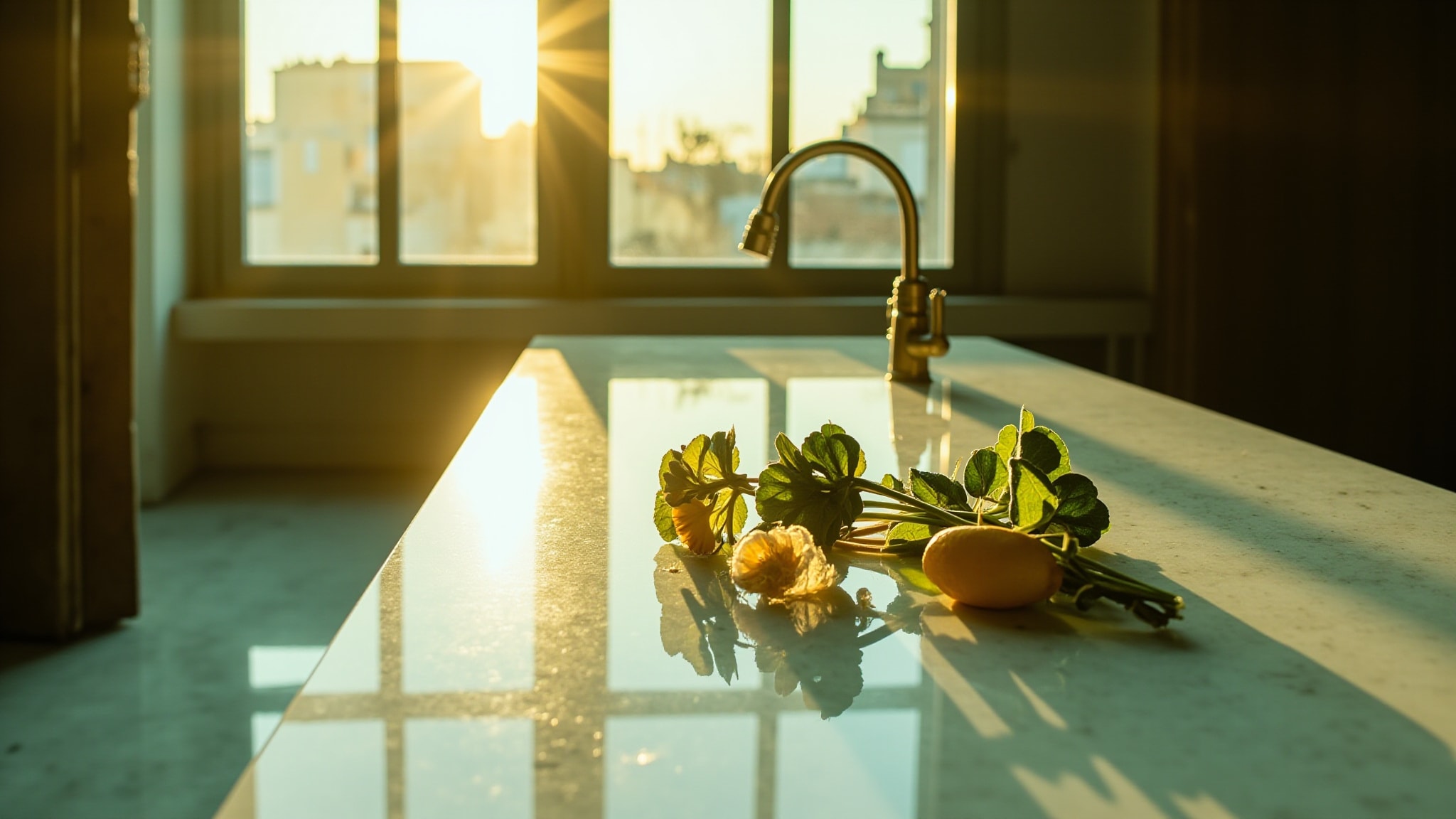
The first ten minutes feel almost effervescent. Aldehydes crackle over bergamot and lavender, and the whole thing reads as clean, almost bracing. There is a coolness to the lavender that keeps the citrus from shouting, and the aldehydes lend a metallic edge that reads more like crushed stems than anything soapy. Then the aldehyde sparkle dims and the geranium steps forward, green and a little raw, with rose and jasmine curling beneath it. It is not a polite bouquet. The geranium has weight, a leafy, slightly oily insistence that recalls crushed stems more than flower petals, and the rose beneath it never fully blooms into anything traditionally romantic. As the afternoon stretches into evening, the ylang-ylang fades and the base takes over: tree moss, musk, and a soft amber warmth that sits close to skin.
Cultural impact
Jardin du Nil holds a particular place among green florals because of how directly it engages with geranium absolute. The note dominates the heart of the composition with a sharpness and density that few modern releases attempt, and that commitment gives the fragrance a gravity that distinguishes it from lighter, more transparent treatments of similar materials. Collectors who gravitate toward classical structures tend to respond to its mossy backbone and its refusal to soften the geranium into something more decorative.