The Story
Why it exists.
The beginning
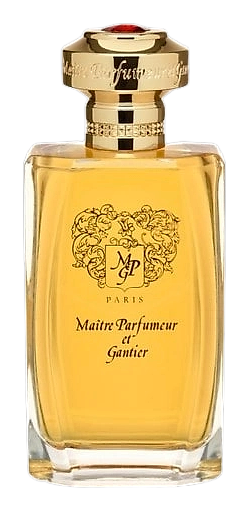
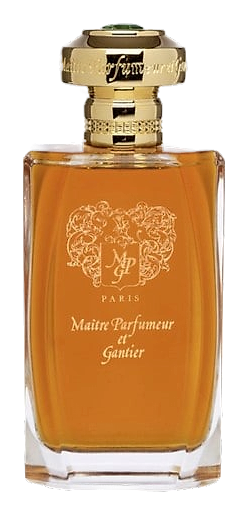
Ambre Tibet emerged from Maitre Parfumeur et Gantier's longstanding relationship with oriental fragrance, the house has built much of its identity around amber as both material and mood, from the foundational Ambre Precieux in 1988 through subsequent iterations. The name references the material itself and suggests a geographic or spiritual dimension, the vast, high-altitude plateau as a register of intensity. The 2022 launch arrived at a moment when amber compositions were being reexamined across the niche market, with houses either pushing them toward extremes or refining them toward something more interior. Ambre Tibet occupies the second position: it is not trying to be the most resinous or the most animalic. It is trying to be the most complete, a fragrance that holds the opening and the drydown in the same breath, that doesn't abandon the first thirty minutes when it arrives at the last.
What makes Ambre Tibet unusual within the amber genre is the eucalyptus. Eucalyptus is not a conventional amber material, it reads as cool, almost clinical, and in lesser compositions it can feel like a disconnect from the warm base. Here, the house uses it as a structural counterweight: it doesn't fight the amber, it sharpens it. The labdanum that accompanies it is a dry resin, not a sweet one, which means the top never becomes cloying even as it moves toward incense and patchouli in the heart.
The evolution
The first hour is the eucalyptus showing off. It reads clean and almost antiseptic for the first twenty minutes, then the labdanum catches up and the two notes begin to work together, resinous but still sharp. Around the ninety-minute mark the incense becomes audible, not as smoke but as a dry heat that arrives with the patchouli. The rose doesn't announce itself; it arrives quietly around the two-hour mark, sitting just above the smoked wood. If you've worn enough rose-incense combinations, you know that the rose can either become syrupy or become something almost metallic depending on what surrounds it. Here, the smoked wood keeps it honest. The drydown begins around hour four, this is when the sandalwood and vanilla become the primary actors and the ambergris adds a slightly animalic depth that the vanilla tempers but doesn't erase. By hour six the fragrance is intimate, close to the skin, and it stays there. On fabric it lingers longer.
Cultural impact
Ambre Tibet enters a corner of the amber genre that has become increasingly contested, the refined, interior amber that sits between the heavy animalics and the mass-appeal sweet ambers. Wearers describe it as the fragrance of someone who walks into a room and doesn't need to announce themselves, which is both the appeal and the risk: it doesn't perform. Those who connect with it tend to connect deeply, returning to it as a default rather than a statement. The eucalyptus opening remains the most discussed element, it is either the fragrance's defining move or its most polarizing choice, depending on what the wearer expected from the name.