The Story
Why it exists.
The beginning
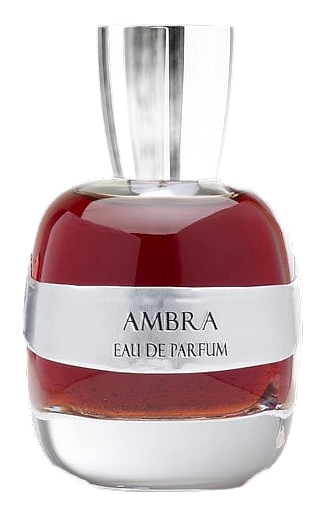
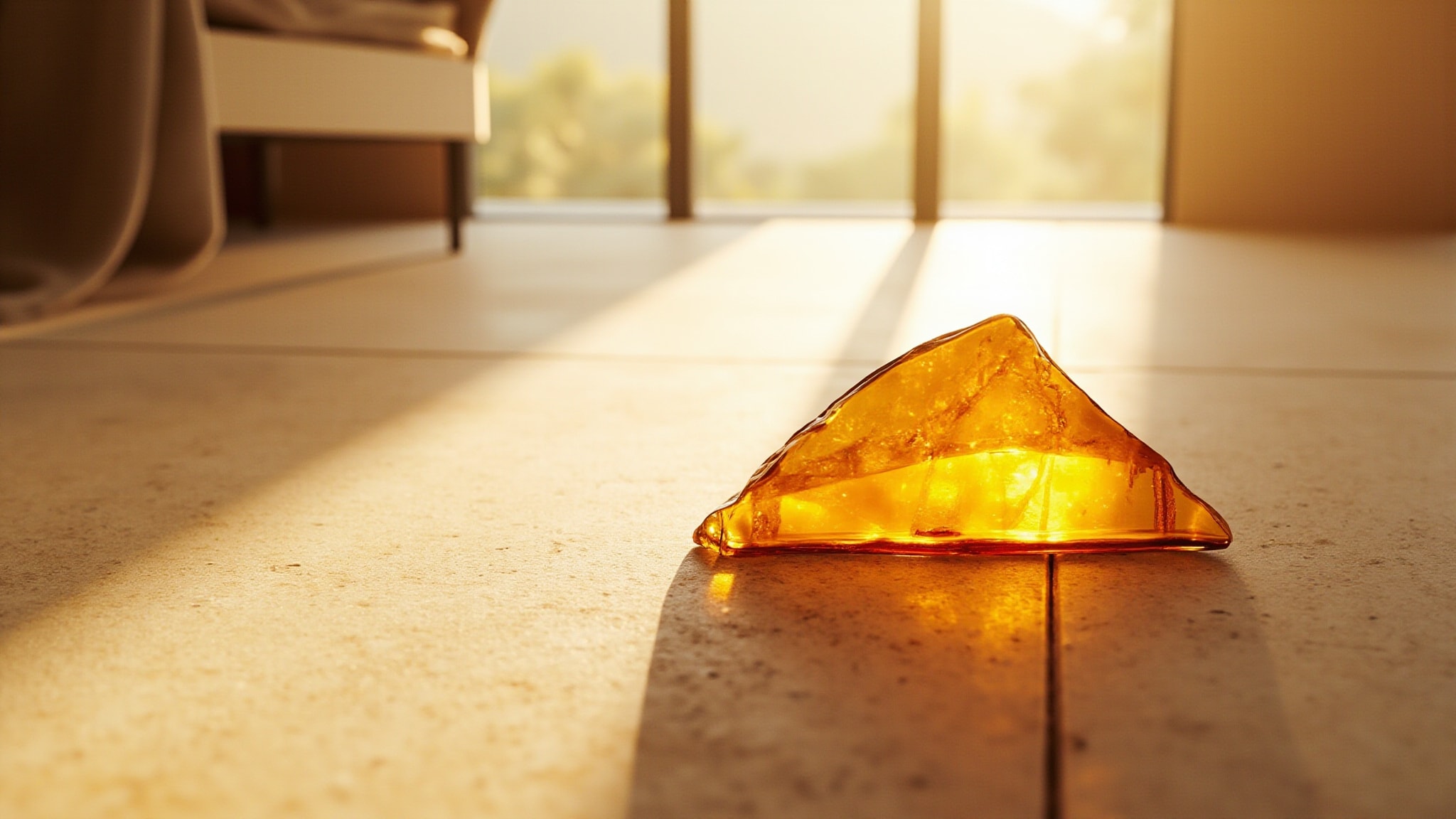
Fabrizio Tagliacarne has spoken about a lifelong fascination with the chemistry of scent, a curiosity that led him from bespoke jewellery into the world of aromatic extracts. When it came time to compose Ambra in 2004, he reached for amber: fossilized resin, millions of years old, warm in colour and warm in feel. The goal was not a linear amber fragrance. It was a study in tension. Bright citrus against dense resin. Aromatic lavender against smoky incense. The idea was to capture what amber actually is, a contradiction held in suspension, ancient and warm, botanical and mineral at once. That is the brief. That is what Ambra tries to do, and what it has continued to do for two decades.
The note structure makes it work. Amber and vanilla form the base, yes, but they are not alone. Opoponax and labdanum add a balsamic sweetness that rounds the resinous edge without making it sugary. The heart introduces incense and patchouli, which bring a dark, earthy counterweight to the citrus top. Lavender is the unexpected move here. It reads as fresh, even cool, against the warmth beneath it. That contrast, citrus brightness giving way to resinous depth, is what separates Ambra from a straightforward amber skin. The fragrance earns its longevity from that base. Eight to ten hours is not unusual for a composition built on amber, vanilla, and labdanum.
The evolution
The opening is bright. Orange, bergamot, geranium arrive together and hold for maybe twenty minutes, lively, almost sharp, with the geranium adding a faint green undertone that keeps the citrus from being purely sweet. Then the heart takes over. Incense and lavender arrive as a pair, the lavender bringing an aromatic coolness that tempers the smoke of the incense. Patchouli is present here too, adding earth. The transition is not dramatic. It is a slow shift in weight. The second hour belongs to the base. Amber, vanilla, opoponax, labdanum. They arrive together and they stay. The drydown is warm, resinous, sweet without being loud. Moderate sillage throughout, the fragrance stays close to skin rather than announcing itself. Eight to ten hours is the range on most skin types. By the final hour, what remains is amber and vanilla, soft and close, the kind of warmth that lingers on fabric overnight.
Cultural impact
Ambra sits comfortably in the amber-vanilla Oriental category, a space shared by Italian artisan houses and niche collectors who appreciate resinous warmth without volume. Moderate sillage and a long drydown make it versatile, it works for someone who wants warmth without announcement. The 2004 launch places it among the earlier niche releases, arriving before the category became a trend. For those who have found it, Ambra has become a reference point: amber that is composed, warm, and built to last.