    Brand Profile

    Omnia Profumi is an Italian artisan perfume house that blends the precision of a jeweler’s workshop with the sensibility of a modern fragran…More

    Italy·Est. 2009·Site

    2

    Fragrances

    4.2

    Rating

    Just Landed

    New Arrivals

    The latest additions to the Omnia Profumi collection.

    30
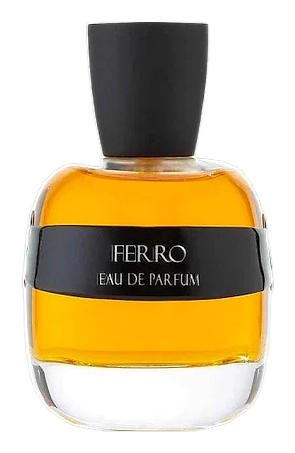
    Ferro by Omnia Profumi
    Best Seller
    4.3

    Ferro

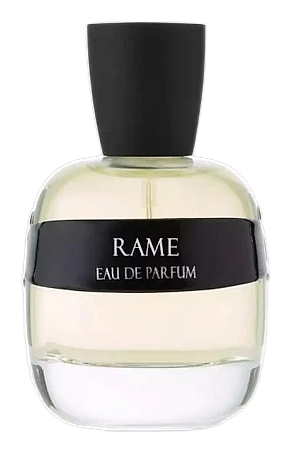
    Rame by Omnia Profumi
    4.0

    Rame

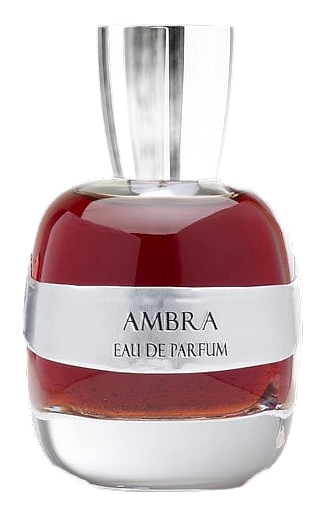
    Ambra by Omnia Profumi
    Best Seller
    4.3

    Ambra

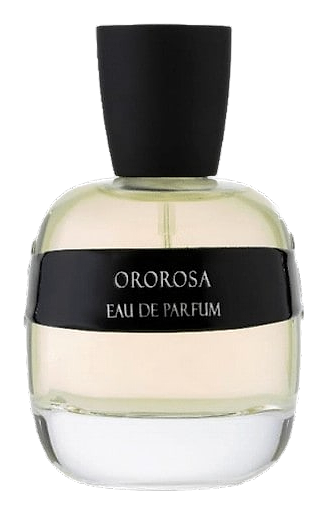
    Ororosa by Omnia Profumi
    Best Seller
    4.2

    Ororosa

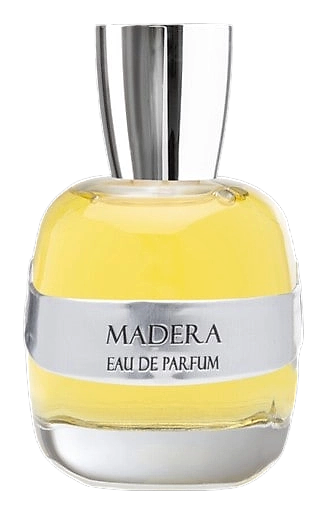
    Madera by Omnia Profumi
    4.2

    Madera

    Diamante by Omnia Profumi
    4.1

    Diamante

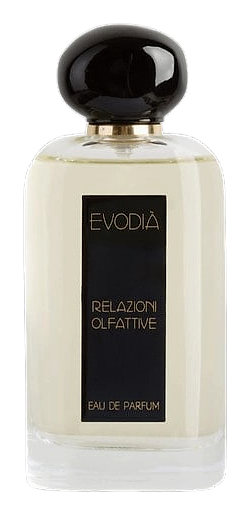
    Evodia by Omnia Profumi
    4.0

    Evodia

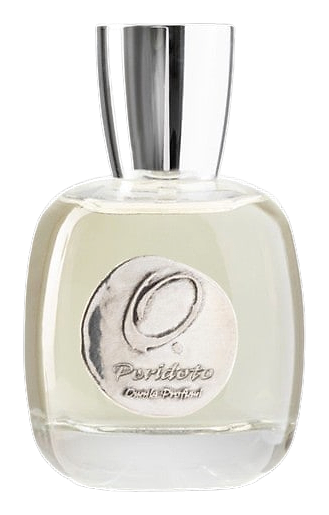
    Peridoto by Omnia Profumi
    4.0

    Peridoto

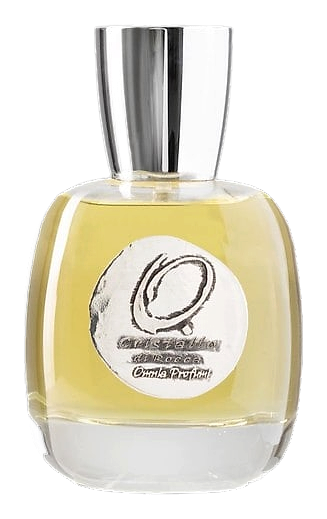
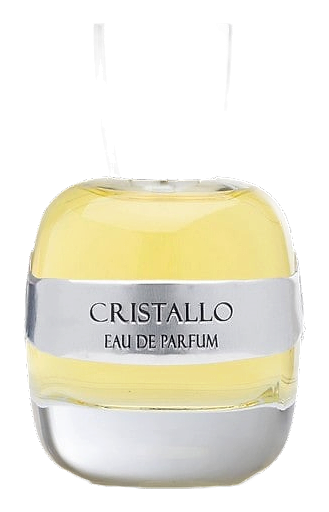
    Cristallo di Rocca by Omnia Profumi
    4.0

    Cristallo di Rocca

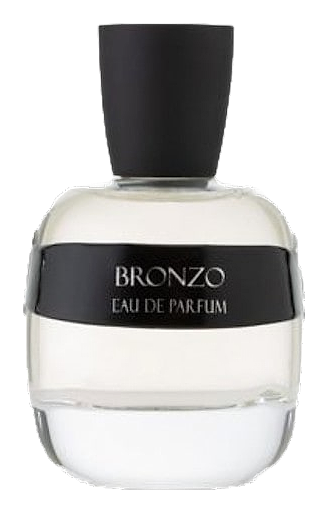
    Bronzo by Omnia Profumi
    4.0

    Bronzo

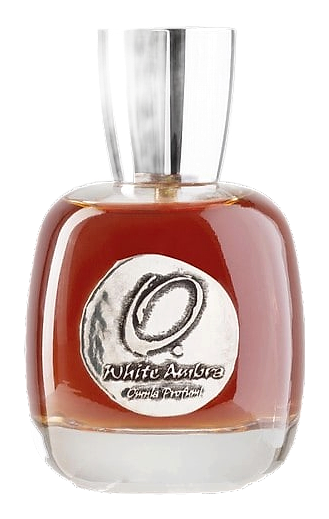
    White Ambra by Omnia Profumi
    4.0

    White Ambra

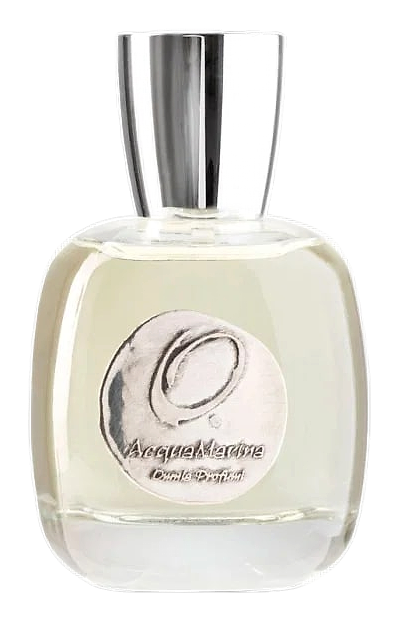
    Acquamarina by Omnia Profumi
    3.9

    Acquamarina

    1 of 3

    The Heritage

    The Story of Omnia Profumi

    Omnia Profumi is an Italian artisan perfume house that blends the precision of a jeweler’s workshop with the sensibility of a modern fragrance lab. Founded in 2009, the label has built a catalogue of niche scents that reference raw materials, metals and minerals, each presented in a bottle that feels like a small work of art. The brand’s releases, from the amber‑rich Ambra to the copper‑toned Bronzo, aim to capture a tactile memory in liquid form, inviting collectors to explore a curated olfactory gallery.

    Heritage

    The story of Omnia Profumi begins with Fabrizio Tagliacarne, a craftsman whose early career centered on creating bespoke jewellery. In interviews he describes a lifelong fascination with the chemistry of colour and scent, a curiosity that eventually led him to experiment with essential oils and aromatic extracts. In 2009 he launched Omnia Profumi in Italy, positioning the house as a laboratory where the discipline of metalwork meets the art of perfumery. The first public releases arrived a few years later, with Ambra (2004) later incorporated into the brand’s back catalogue as a reference point for its amber‑centric approach. By 2013 the house introduced Cristallo di Rocca and Peridoto, two fragrances that highlighted crystalline and mineral inspirations. 2014 saw the debut of Bronzo, a scent built around copper accords, followed by Ferro in 2017, a composition that foregrounds iron‑like metallic notes. Diamante arrived in 2018, offering a bright, faceted olfactory experience, while Ororosa, released in 2023, explores the interplay of gold and rose. Throughout its first decade Omnia Profumi has remained a small‑scale operation, producing limited batches that cater to collectors who value both narrative depth and material authenticity. The brand’s evolution reflects a consistent commitment to translating the language of raw substances into perfume, a principle that continues to guide each new launch.

    Craftsmanship

    Production at Omnia Profumi follows a boutique model. According to the brand’s own disclosures and third‑party reviews, each fragrance is formulated in a modest laboratory in Italy, where a small team of perfumers and technicians handle the blending by hand. Raw materials are sourced from both local Italian suppliers and established international providers of high‑quality absolutes, essential oils and aroma chemicals. The house reports that natural amber, vanilla, and various resins are procured in their raw, unrefined state to preserve the authentic character of the source. When a scent requires a metallic or mineral impression, the formulators employ specially designed aroma chemicals that mimic the olfactory signature of iron, copper or stone, a practice common among niche houses that aim for realism. Quality control involves batch‑by‑batch testing for consistency, with each bottle sealed under a controlled environment to protect the volatile notes. The limited production runs, often numbering in the low thousands, allow the brand to monitor each step closely, ensuring that the final product matches the original creative brief. This hands‑on approach reflects the founder’s background in jewellery, where precision and material integrity are paramount.

    Design Language

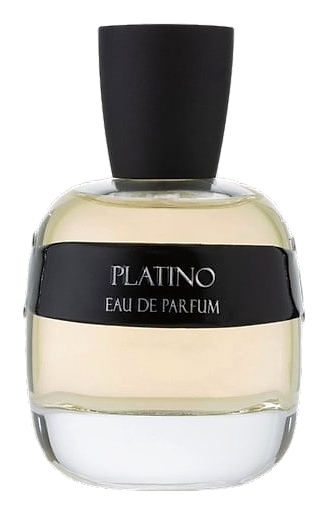
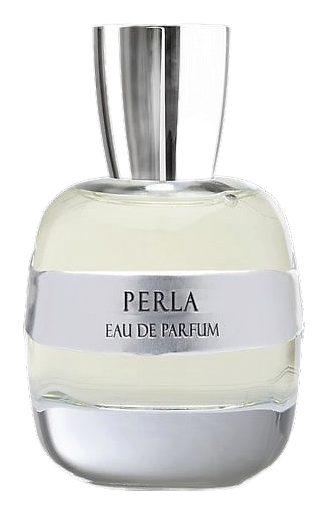
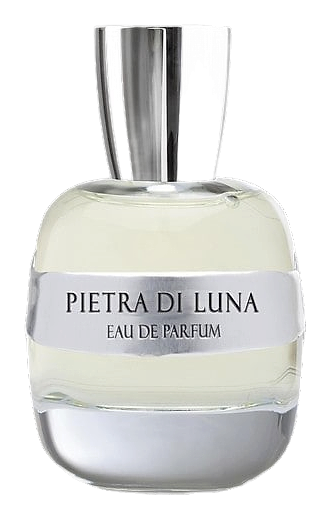
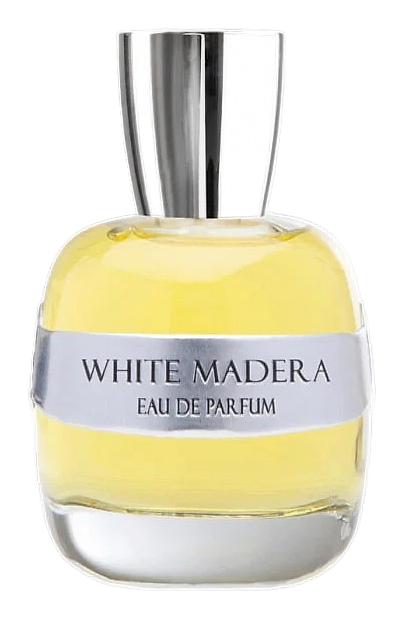
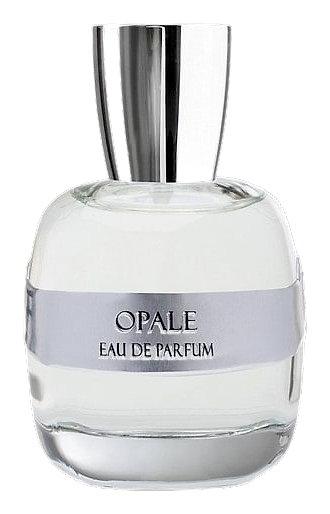
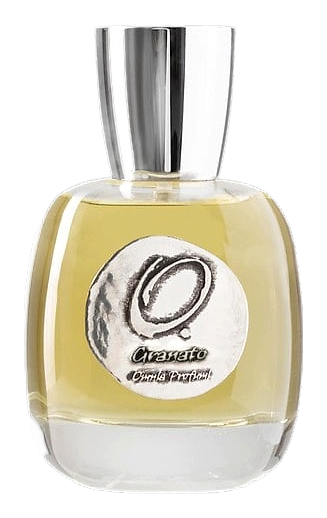
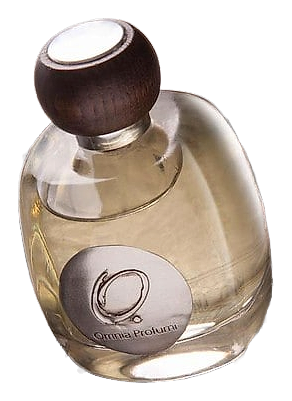
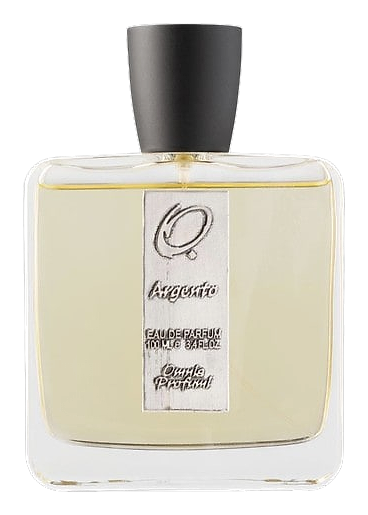
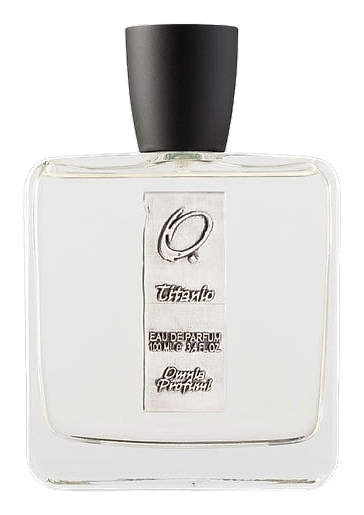
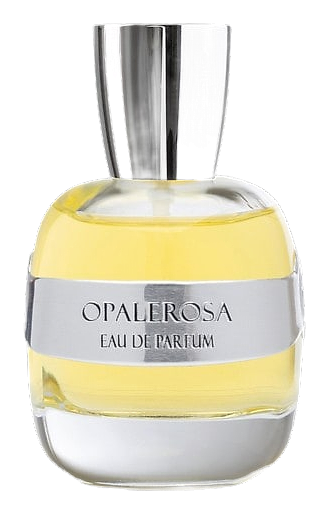
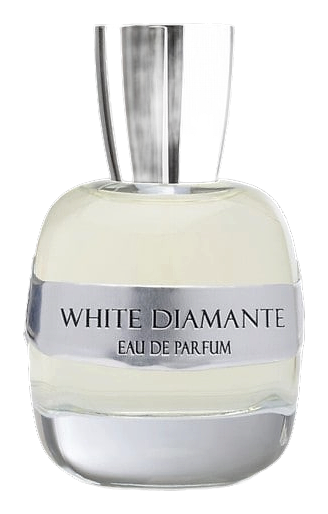
    Visually, Omnia Profumi adopts a minimalist yet tactile language. Bottles are typically clear glass, allowing the colour of the perfume to become the focal point, while caps are crafted from die‑cast zinc alloy or premium resin, finished with custom metal nameplates that echo the material theme of each scent. A supplier profile notes that the caps are produced with precision casting techniques, giving them a weight and texture reminiscent of the fragrance’s core inspiration. Labels are understated, featuring a simple serif typeface and a small emblem that references the specific material – for example, a stylised copper coil for Bronzo or a crystalline shard for Cristallo di Rocca. The overall presentation balances modern sleekness with a nod to traditional craftsmanship, positioning the bottles as collectible objects that could sit alongside fine jewellery on a shelf. The brand’s website and retail displays reinforce this aesthetic, using muted backgrounds and natural lighting to highlight the tactile qualities of the packaging.

    Philosophy

    Omnia Profumi frames fragrance as a material dialogue. The house believes that scent should echo the physical world, whether that world is a mineral vein, a metal alloy or a natural resin. This perspective drives a creative process that starts with a single tactile reference – a piece of amber, a copper wire, a shard of quartz – and translates it into a scent architecture. The brand emphasizes transparency in ingredient sourcing, favouring natural extracts when they align with the intended material narrative. At the same time, Omnia Profumi does not shy away from synthetics that can faithfully reproduce a metallic or mineral quality that nature cannot provide. The label’s statements highlight a respect for Italian artisanal traditions, a dedication to small‑batch production, and an intention to let each perfume stand as an independent object rather than a seasonal trend. By treating each fragrance as a standalone “jewel”, the house encourages collectors to build a personal gallery that reflects both aesthetic taste and an appreciation for the underlying material story.

    Key Milestones

    2009

    Fabrizio Tagliacarne establishes Omnia Profumi in Italy, merging his jewellery background with fragrance creation.

    2013

    Launch of Cristallo di Rocca and Peridoto, two scents inspired by mineral and gemstone motifs.

    2014

    Bronzo debuts, offering a copper‑centric aromatic profile that reinforces the brand’s material‑focused narrative.

    2017

    Ferro is introduced, exploring iron‑like metallic accords and expanding the house’s metal series.

    2018

    Diamante arrives, a bright, faceted fragrance that captures the sparkle of a cut diamond.

    2019

    Evodia releases, adding a botanical dimension while maintaining the brand’s emphasis on raw material inspiration.

    At a Glance

    Brand profile snapshot

    Origin

    Italy

    Founded

    2009

    Heritage

    17

    Years active

    Collection

    2

    Fragrances released

    Avg Rating

    4.2

    Community sentiment

    Release Rhythm

    2025
    1
    2024
    1
    2023
    2
    2022
    1
    2021
    1
    2020
    1
    2019
    2
    2018
    1
    omniaprofumi.com

    Did You Know?

    Interesting Facts

    Distinctive details and defining moments that shape the house personality.

    01

    Founder Fabrizio Tagliacarne began his career as a jeweller, a fact that influences the brand’s emphasis on materiality and precision.

    02

    Omnia Profumi’s caps are produced using die‑cast zinc alloy and feature custom metal nameplates, a detail highlighted by the cap supplier’s promotional material.

    03

    Each fragrance is named after a specific raw material or mineral, turning the perfume line into a curated collection of olfactory “jewels”.

    04

    The house operates on a limited‑batch model, often releasing only a few thousand bottles per scent, which encourages collectors to treat each release as a rare object.