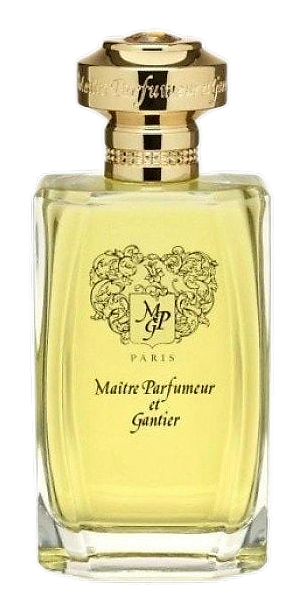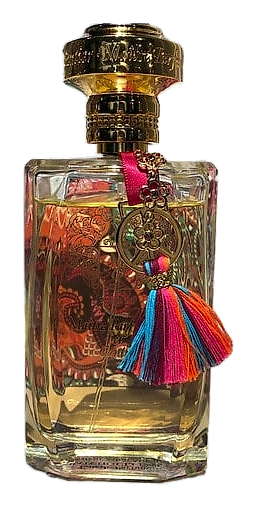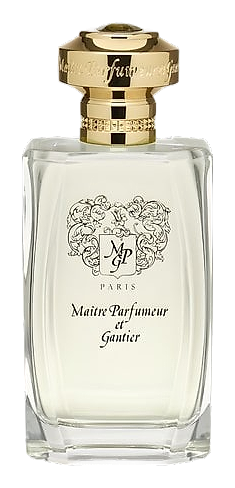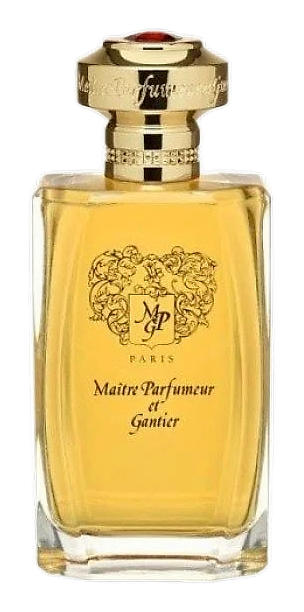
The Story
Why it exists.
The beginning
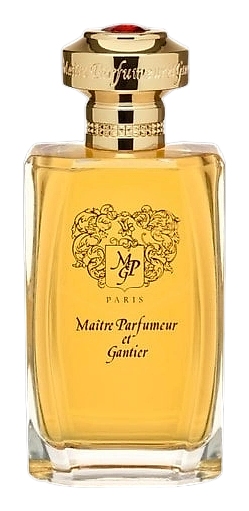
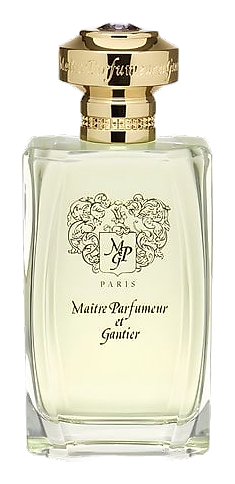
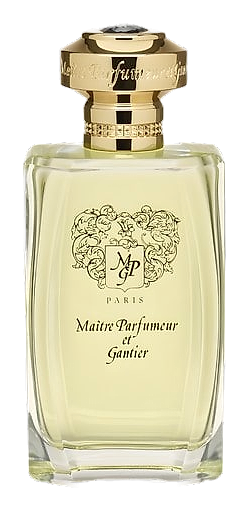
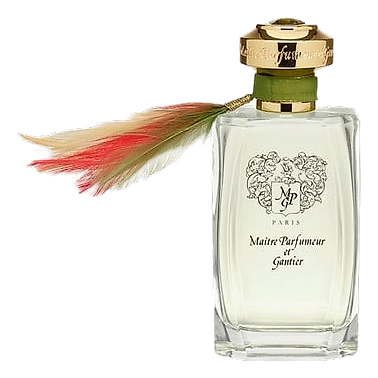
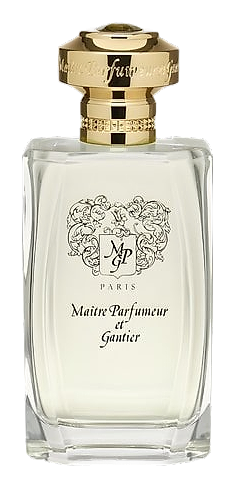
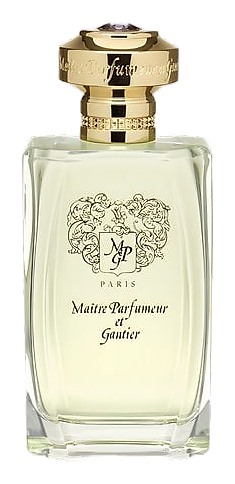
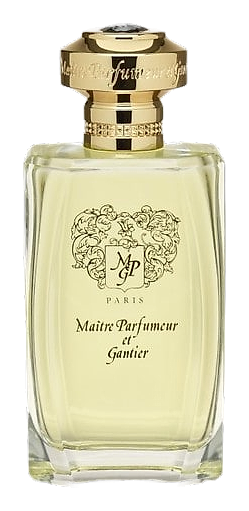
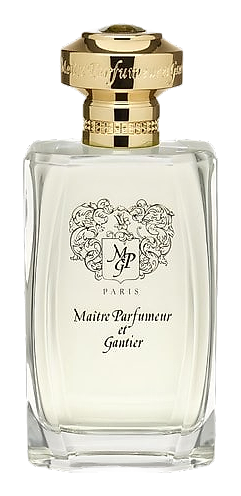
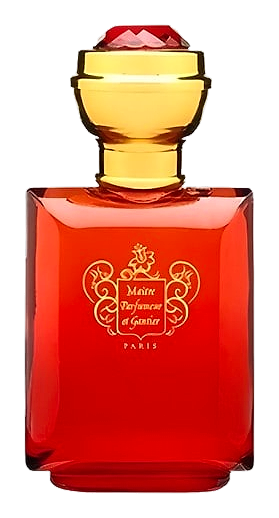
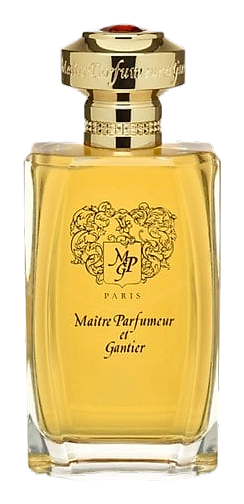
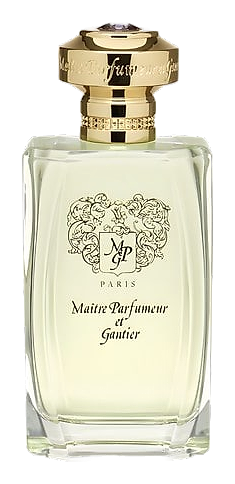
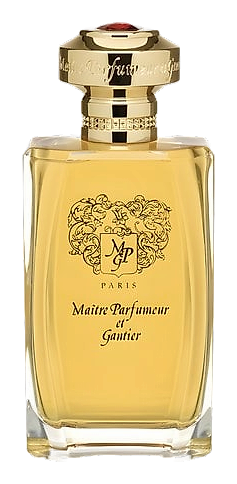
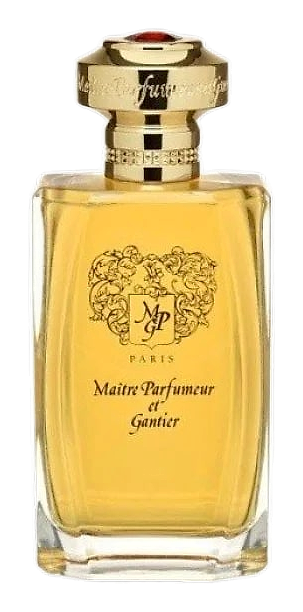
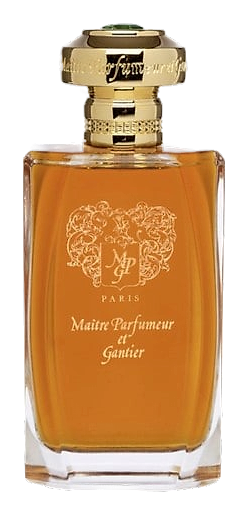
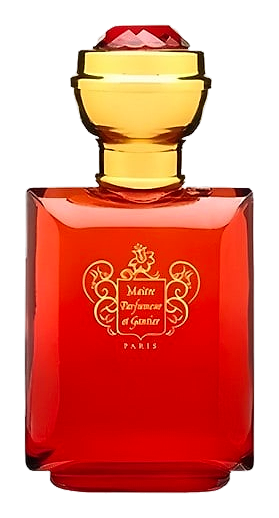
Rose Muskissime arrived in 1988 as part of the inaugural chapter of Maître Parfumeur et Gantier. Turkish and Moroccan roses anchor the composition, threaded with tropical mango and blackcurrant for a freshness that sets the tone of the entire release. The name itself, Muskissime, places musk at the conceptual center of the creation. It belongs to the Les Accords Mystères collection, a line within the house's catalog of compositions. The fragrance marked an early statement for a house that would go on to build a reputation around unconventional floral constructions and a willingness to let single materials speak for themselves without the usual scaffolding of chypre or oriental traditions.
The composition uses fruit as more than a top-note flourish. Mango and blackcurrant serve a connecting function, easing the passage from the bright, almost edible opening into the fuller floral heart. The rose has the weight of Turkish and Moroccan harvests behind it, rich and slightly darker than the pale, powdery roses that dominated many 1980s French launches. Iris arrives in the heart to soften the edges, lending a quiet sophistication to the whole structure. The sandalwood and amber base provides warmth without weight, more a foundation than a statement.
The evolution
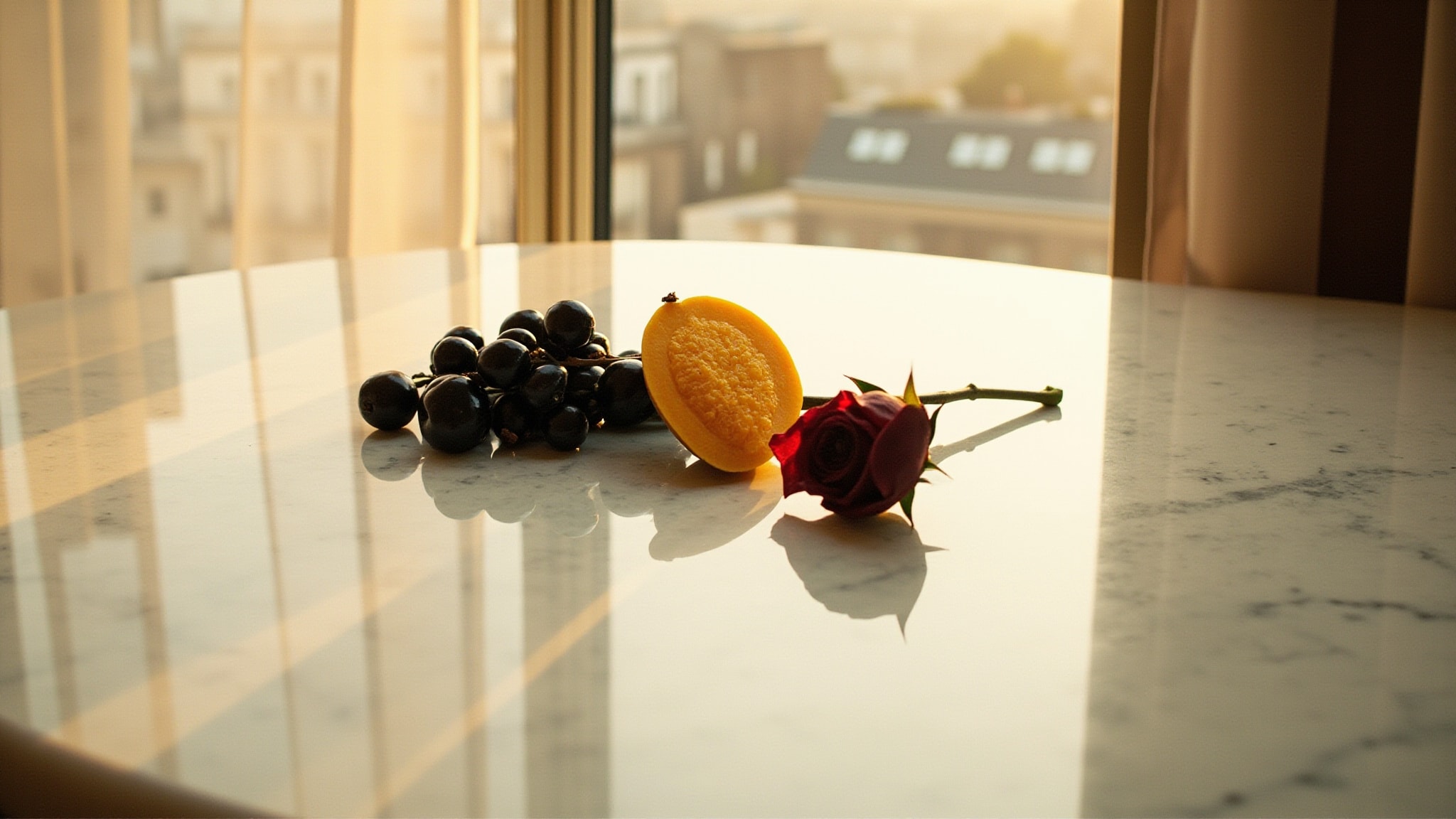
Blackcurrant opens with a tart, almost wine-like edge, while mango folds in behind it with the kind of sweetness that suggests ripe fruit left on a sunny counter, not candy. Spices thread through both, warming without heat. Then the rose arrives, and it doesn't so much replace the fruit as bloom over it. The Turkish and Moroccan roses are recognizable for their depth and slight jammy darkness. Cyclamen adds a watery green note that keeps the heart from going heavy. Iris dusts over everything like confectioner's sugar. As the hours pass, the fruit fades first, then the spice, leaving the rose to settle into the sandalwood and amber base. The musk implied by the name is something that emerges gradually in the close-to-skin warmth of the later stages, that warm, close-to-skin quality that makes the scent feel like it grew out of you rather than landed on you.
Cultural impact
Rose Muskissime occupies a particular place in the catalog of French perfumery from the late 1980s, vintage enough to carry the warmth of that era's floral traditions but unconventional enough to stand apart from typical mainstream releases. The combination of Turkish and Moroccan roses with mango and blackcurrant creates a fruity-floral structure that was uncommon at the time of its launch and remains distinctive. Wearers have described the scent in terms of summer days and nights, patio settings, and significant occasions like weddings. It's the kind of rose that rewards close attention rather than demanding it from a distance.
The House
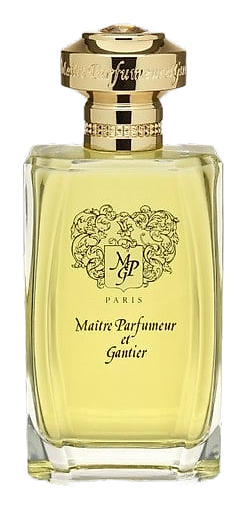
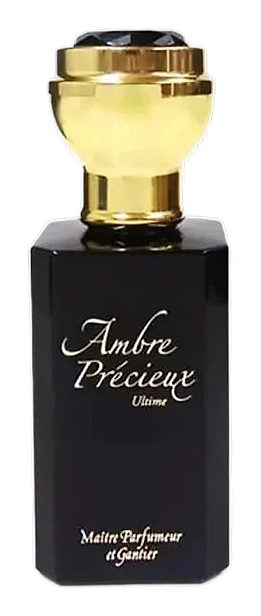
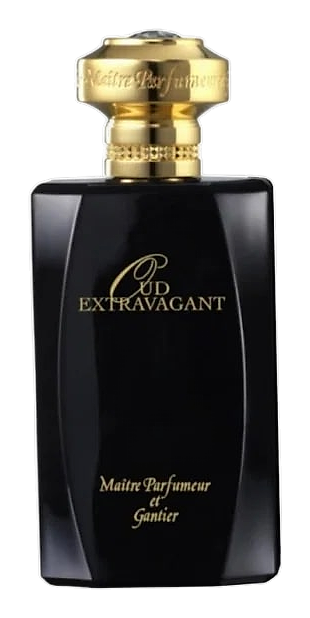
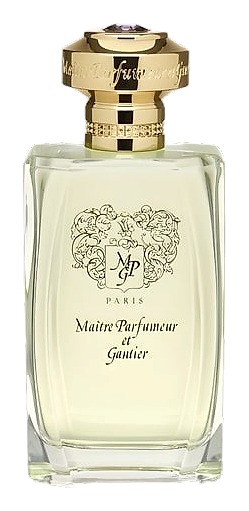
Maitre Parfumeur et GantierMaître Parfumeur et Gantier is a French niche perfume house founded in 1988 by Jean‑François Laporte, a veteran of the 1970s perfume renaissance. The brand’s name pairs the historic craft of glove‑making with perfumery, signalling a dedication to refined, tactile elegance. Over three decades the house has released a steady stream of olfactory narratives, from the amber‑rich Ambre Précieux (1988) to the recent Oud Extravagant (2018). Its catalogue balances classic French structure with daring ingredient pairings, appealing to collectors who value depth over trend.
The Creator
Jean LaporteLaporte favors a tactile palette built around natural absolutes, aged woods, and unprocessed essences. He often begins with a single anchor—such as Madagascar vanilla, cedar from the Atlas, or a wild jasmine extract—and constructs layers that echo the anchor’s texture.