The Story
Why it exists.
The beginning
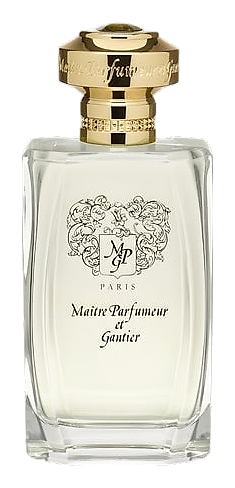
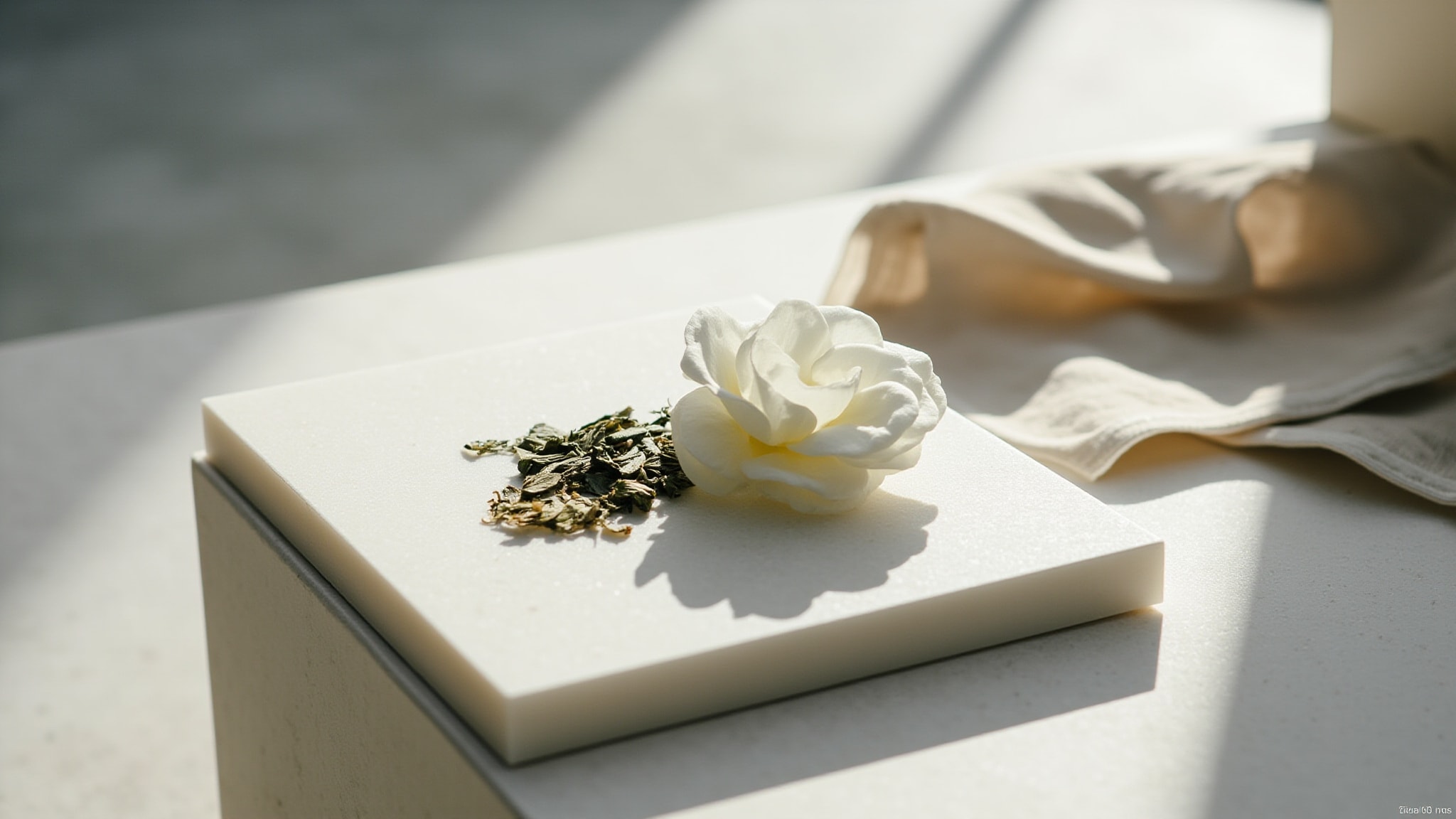
Camelia Chinois arrived from Maître Parfumeur et Gantier, a French house whose name pairs historic glove-making craft with perfumery. The fragrance takes its name from the camellia, better known in tea-growing regions as the tea shrub. This was the house's ode to the tea tree, its subtlety, its green restraint, its ability to feel both fresh and intimate at once. The composition builds around tea absolute as the hero material, its herbal, slightly astringent character taking center stage while bright citrus opens the experience with immediate clarity. A warm woody-musk base anchors everything, preventing the green notes from becoming sharp or fleeting.
What makes Camelia Chinois unusual is the pairing of tea absolute with resinous notes in the heart. Most tea fragrances lean either green and airy or sweet and comforting. Here, the Nulu balsam and basil add a dry, slightly bitter counterpoint to the camellia's softness, making the fragrance feel more like an herb garden in the morning than a perfumery counter. The fruity notes in the top don't read as sweetness; they read as brightness, a quality that keeps the composition from settling into mere pleasantness. The musk-sandalwood base is sensual but restrained, the kind of foundation that stays close to the skin rather than announcing itself across a room. It's a composition that rewards patience.
The evolution
The opening hits fast, grapefruit peel and bergamot arriving sharp, bracing and immediate. As the citrus settles, the tea absolute emerges, dry and green, taking over from the brighter top notes without erasing them entirely. The camellia softens the herbaceous edge with something almost waxy and floral, a quiet presence that never announces itself too loudly. The basil lingers longer than expected, a savory whisper that keeps the composition from becoming precious. Resinous notes in the heart begin to surface, adding depth without heaviness. The drydown is where the sandalwood and musk do their work, warm, skin-close, intimate. Longevity is solid and sillage is moderate, staying within arm's reach rather than filling a room. The next morning, a faint trace of musk on fabric, barely there, already a memory.
Cultural impact
Camelia Chinois occupies a quiet corner of niche perfumery, neither a cult classic nor a forgotten release. It appeals to those drawn to restraint, to fragrance that works close to the skin rather than announcing itself across a room. The tea-floral-herbal structure offers something distinctive, a composition that avoids the obvious sweetness of many floral fragrances. Wearers tend to describe it as the fragrance for someone who does not need to be noticed. It is the kind of scent that circulates in fragrance communities not because it inspires controversy, but because it keeps surprising people who thought they did not like tea perfumes.