The Story
Why it exists.
The beginning
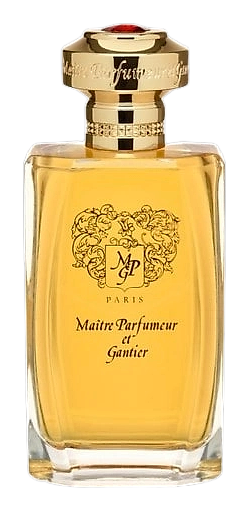
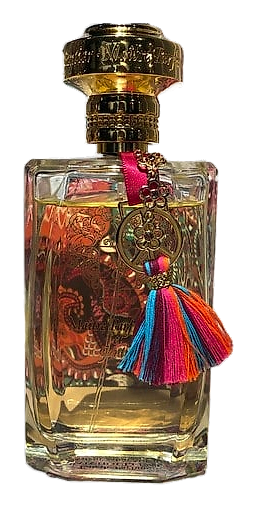
The name says everything. Patchouli 1969 is a deliberate return to the ingredient's defining era, when it wasn't just a base note or a perfumer's afterthought. It was the scent of a generation. Jean-François Laporte and his team at Maître Parfumeur et Gantier built this fragrance around that heritage, treating patchouli not as foundation material but as the main event. The year in the name isn't decoration. It's the reference point for everything that follows.
What makes this composition unusual is the dual patchouli placement. Top and heart. Most fragrances tuck patchouli into the base where it can sulk and deepen undisturbed. Here it opens the story and then returns to anchor the florals. The result is a continuous earthy thread that runs beneath jasmine, rose, and lotus, keeping them grounded rather than delicate. Cardamom and petitgrain do the early work of lifting and brightening, preventing the opening from reading heavy. The heart phase introduces elemi resin, adding a faint balsamic warmth that bridges the florals into the drydown. Sandalwood and vanilla take over from there, creating the warm close that lingers.
The evolution
The opening is patchouli and cardamom together. Bright, aromatic, with a hint of citrus from the petitgrain. Not heavy. Not earthy yet. For the first hour, the patchouli asserts itself without overwhelming, kept honest by the spice. Then the florals arrive. Lotus and jasmine soften the patchouli's earthiness. Rose and elemi resin add their own quiet complexity. This middle phase lasts three to four hours, the longest stretch of the fragrance. The drydown is where it becomes personal. Sandalwood and vanilla create a warm, creamy base while musk stays close to the skin. Moderate sillage means this is a fragrance that lingers on fabric and collar, not one that fills a room. Lasts eight to ten hours on most skin types. The next morning, faint traces remain.
Cultural impact
Patchouli 1969 speaks to two audiences at once. Those who remember the ingredient's late-60s peak, and those encountering it fresh. Both leave with the same conclusion. The year in the name isn't arbitrary, it anchors the fragrance to a specific cultural moment when patchouli saturated everything from head shops to department stores. This 2019 release translates that heritage into a modern French composition, appealing to those who want the nostalgia without the counterculture cliché. The dual patchouli placement, spanning top to heart, gives it a continuous thread that feels both authentic and refined.