The Story
Why it exists.
The beginning
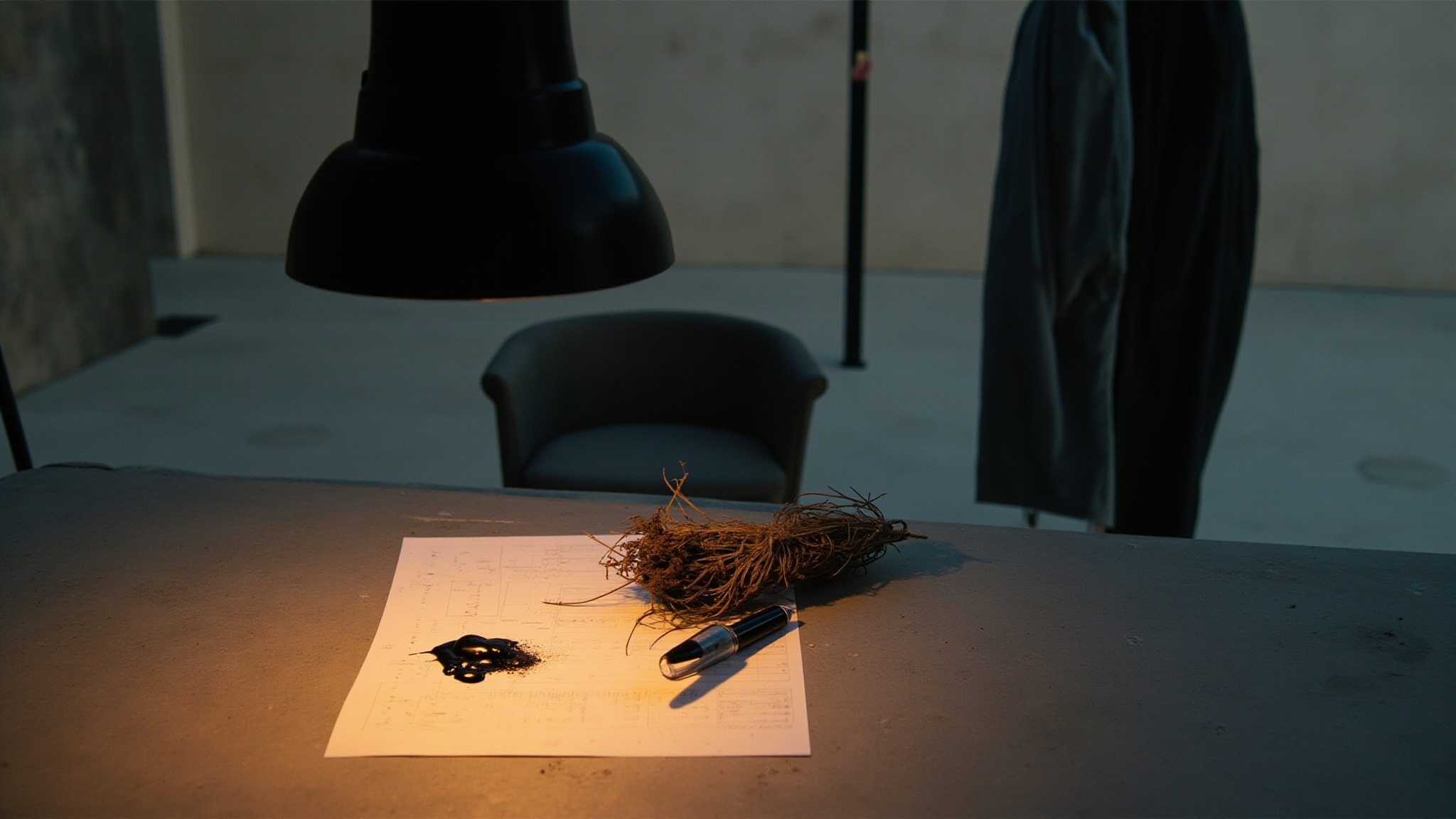
Route du Vetiver arrived in 1988 as a composition built around a single obsession: the smell of vetiver root in the ground rather than the polished version most bottles deliver. By Jean Laporte, it was a fragrance that named its destination and then took you there. The name is literal. A route, a road, a path through the raw material itself, suggesting the journey from soil to bottle without the usual intermediaries of sweetness or abstraction. Laporte's approach here treats vetiver as a material deserving of direct representation, unadorned and unsoftened. This was the answer to a question the composition itself poses: what does a root actually smell like when you pull it up, earth still clinging, fibrous and damp, carrying the memory of the ground that grew it?
What makes Route du Vetiver interesting is the structure beneath the obvious. Aldehydes in the opening give a cold flicker before the green settles, a brightness that quickly gives way to something denser. The blackcurrant adds a sharp, almost wine-like sweetness that makes the green less austere, more like a garden after rain than a forest floor, a sweetness with tannin underneath rather than sugar on top. Then the vetiver takes over, and it's the Bourbon variety, smoky and earthy, not the clean pencil-shaving version that lighter compositions tend to favor.
The evolution
The first minutes are deceptive. Aldehydes flash bright and almost sparkling, paired with blackcurrant that reads sharp and slightly tart, and a green so vivid it borders on chlorophyll. The impression is cold, clean, almost mineral, like biting into something fresh pulled straight from the earth. Then the vetiver arrives and everything recalibrates. The green doesn't fade. It deepens, becomes richer, more rooted in its own identity. The smoke in the root starts to show, warm and slightly tarry, and the jasmine surfaces just enough to keep the composition from going purely rugged, lending a softness that prevents the smoke from becoming oppressive. The blackcurrant's sweetness fades gradually, but its weight remains detectable underneath, a structural support rather than a flavor.
Cultural impact
Route du Vetiver represents a particular approach to a familiar material, one that insists on showing what vetiver can do when it's allowed to be dark, smoky, and complicated. For those drawn to fragrances with specificity and edge, this 1988 composition offers something more grounded than the lighter, brighter interpretations that have become common. It reads as the scent of someone who values meaning over mere pleasantness, who wants their fragrance to say something particular rather than appeal to everyone.