The Story
Why it exists.
The beginning
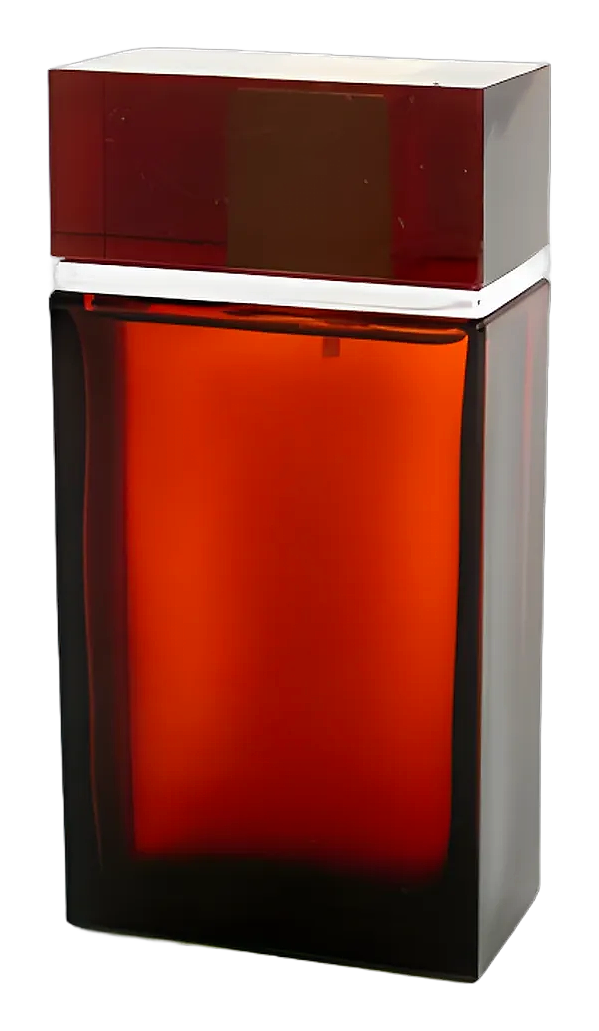
Eau des Îles carries a name that translates simply as Islands, yet the scent inside tells a far richer story. Jean-François Laporte crafted this composition to bridge traditional French structure with something more contemporary in feel. The bottle promises escape, but what's inside is no beach vacation. It opens with herbal brightness, moves through a resinous, coffee-laced heart, and lands on a dense base of patchouli and vetiver. Laporte was building something that felt traveled, lived-in, and unapologetically bold. A fragrance for the kind of wearer who prefers depth over decoration and knows the difference between warmth and sweetness.
The composition plays an unusual hand. Tarragon at the top is sharp, almost medicinal, a far cry from anything soft or approachable. The heart pulls in another direction entirely: coffee's roasted bitterness set against labdanum's amber weight, with frankincense adding smoke and ylang-ylang contributing an unexpected floral creaminess. It's a tension that shouldn't work but does, because the base of galbanum, patchouli, and vetiver grounds every element in something green, earthy, and structural. The herbs at the opening feel like a cold morning in a stone house.
The evolution
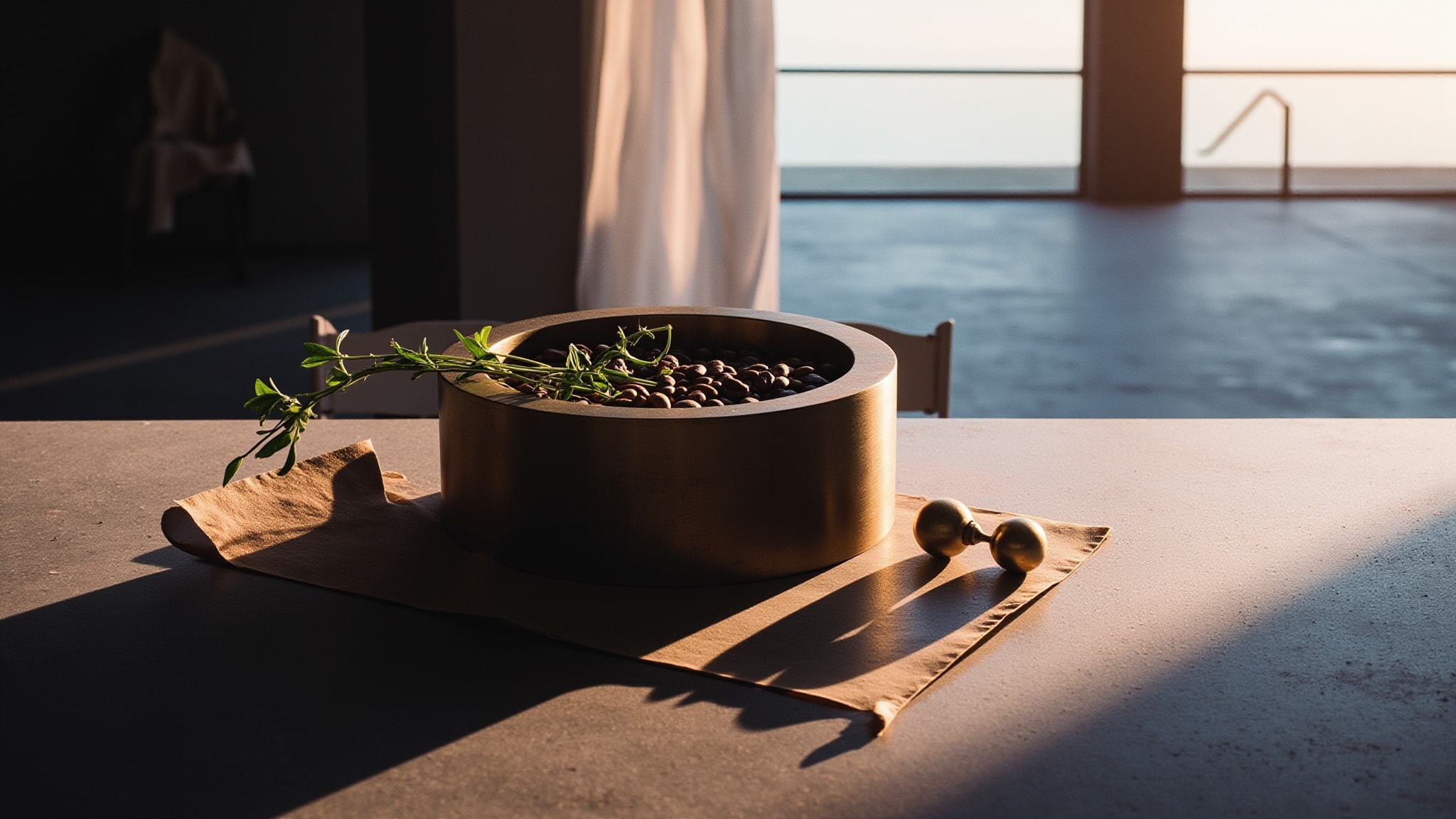
The opening belongs to tarragon. Sharp, green, slightly anise-edged, with a clean herbal lift that almost reads as cologne in the first moments. Don't be fooled. Soon the coffee arrives, and everything shifts. It's not the espresso of a morning rush; it's coffee the way incense knows it, dark and resinous, tangled with labdanum's sticky amber warmth. Frankincense weaves through, adding the faint memory of church smoke curling against stone walls. The ylang-ylang stays quiet, a creamy undertone most people sense but can't name, smoothing the edges between bitter and sweet without ever announcing itself. As the hours pass, the opening herbs retreat entirely. What remains is a dense, earthy drydown: patchouli and vetiver pressing close to skin, with galbanum's bitter green flash still flickering underneath.
Cultural impact
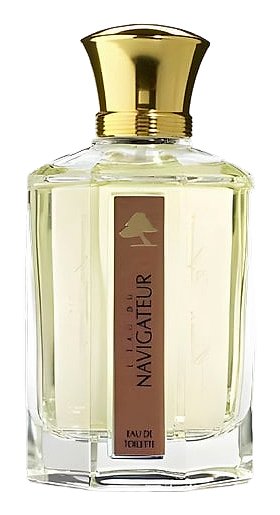
Eau des Îles sits in a category of its own, with sources describing it as perhaps the finest moss-centered fragrance ever created and essentially a chypre in structure. Parfumo's Smora draws a connection between this composition and Laporte's earlier L'Eau du Navigateur, noting that Eau des Îles carries softer transitions and avoids the harsher chemical edge that can sometimes mar vintage compositions. The coffee-resinous heart has earned particular praise from reviewers who appreciate how the roasted bitterness interacts with labdanum's amber weight.