The Story
Why it exists.
The beginning
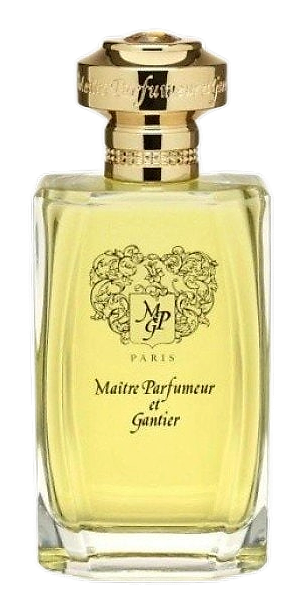
Rose Opulente arrived in 1988 from Maître Parfumeur et Gantier, and it landed with the confidence of a composition that knows exactly what it wants to be. A soliflore that refuses to behave like one, layering green and aldehyde over a heart built entirely around rose absolute and jasmine, then grounding it all in a base of cascarilla, musk, ambergris and sandalwood. The green opening gives the rose something cool to push against, a freshness that stops the flower from collapsing into sweetness. The aldehyde cuts in like light through a window, sharp and airy, lifting the petals before they have a chance to turn syrupy.
What makes this composition worth attention is the interplay between the aldehyde and green top notes and the warmer cascarilla in the heart. Cascarilla is a bark extract with a faintly spicy, dry character, and its presence here shifts the register of a rose soliflore into less familiar territory. The rose absolute carries the heaviest lift, dominating the heart with a presence that feels less like a whisper and more like a statement.
The evolution
The first thirty minutes are sharp and almost bracing. Green leaves cut with aldehyde, the rose arriving not as a bud opening but as a bloom already in full sun. There's a brightness that some wearers compare to morning air over wet stems. Then the composition pivots. The jasmine rounds out the edges, the rose absolute deepens from petal-pink to something closer to velvet, and the cascarilla introduces a quiet, dry warmth that has no business being in a rose. As the hours pass, the top notes fade but never fully disappear. The aldehyde lingers at the edges like a memory of cold light, while the green settles into something quieter, more like crushed stem than living leaf. The jasmine shifts too, losing its indolic push and becoming softer, more cream than fruit.
Cultural impact
Rose Opulente occupies a particular place among rose-forward compositions of its era. It's the kind of fragrance someone reaches for when they want a rose that knows what it's doing, a soliflore with backbone rather than softness as its only quality. The composition refuses to treat the rose as decoration. It builds the flower into something structural, grounding the petals in cascarilla, sandalwood, ambergris, and musk rather than letting them float on sugar. That choice gives the wearer's nose something to follow, a clear architecture beneath the floral surface.