Cascarilla
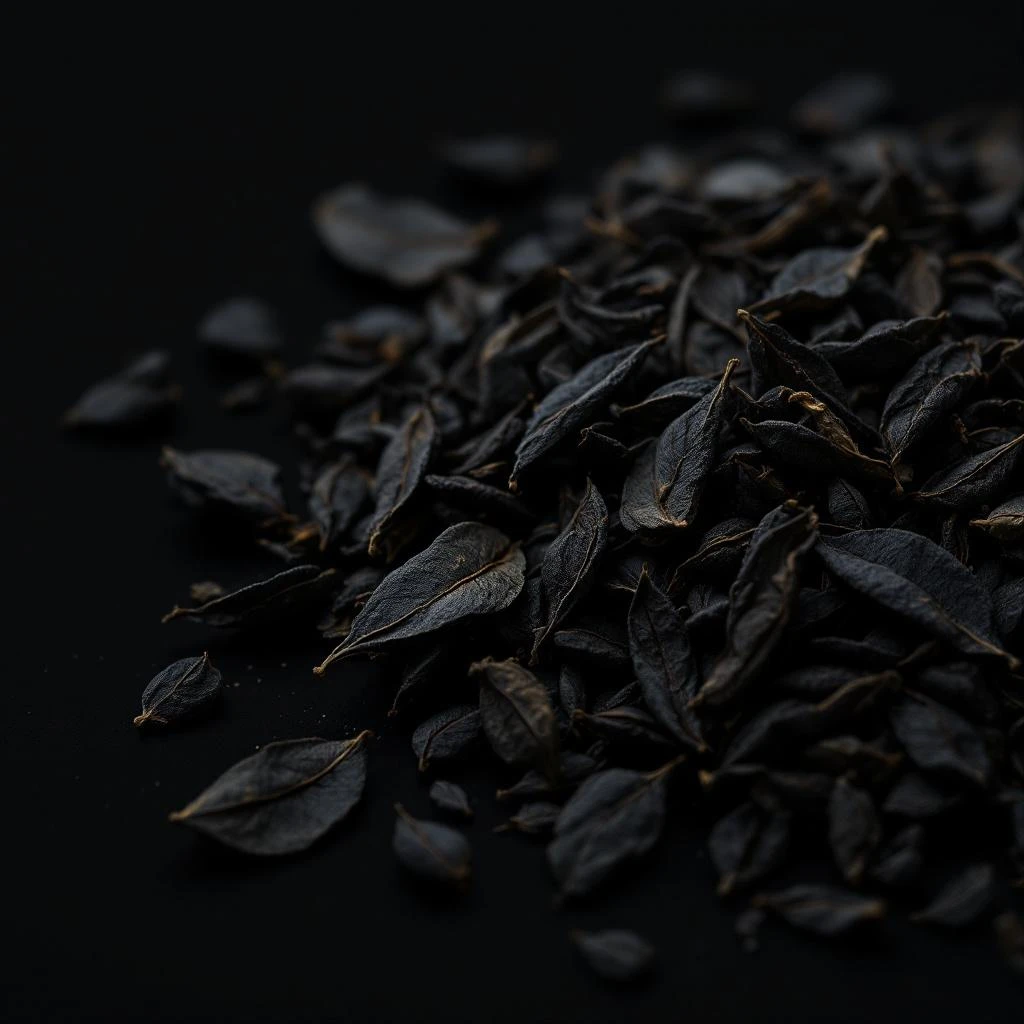
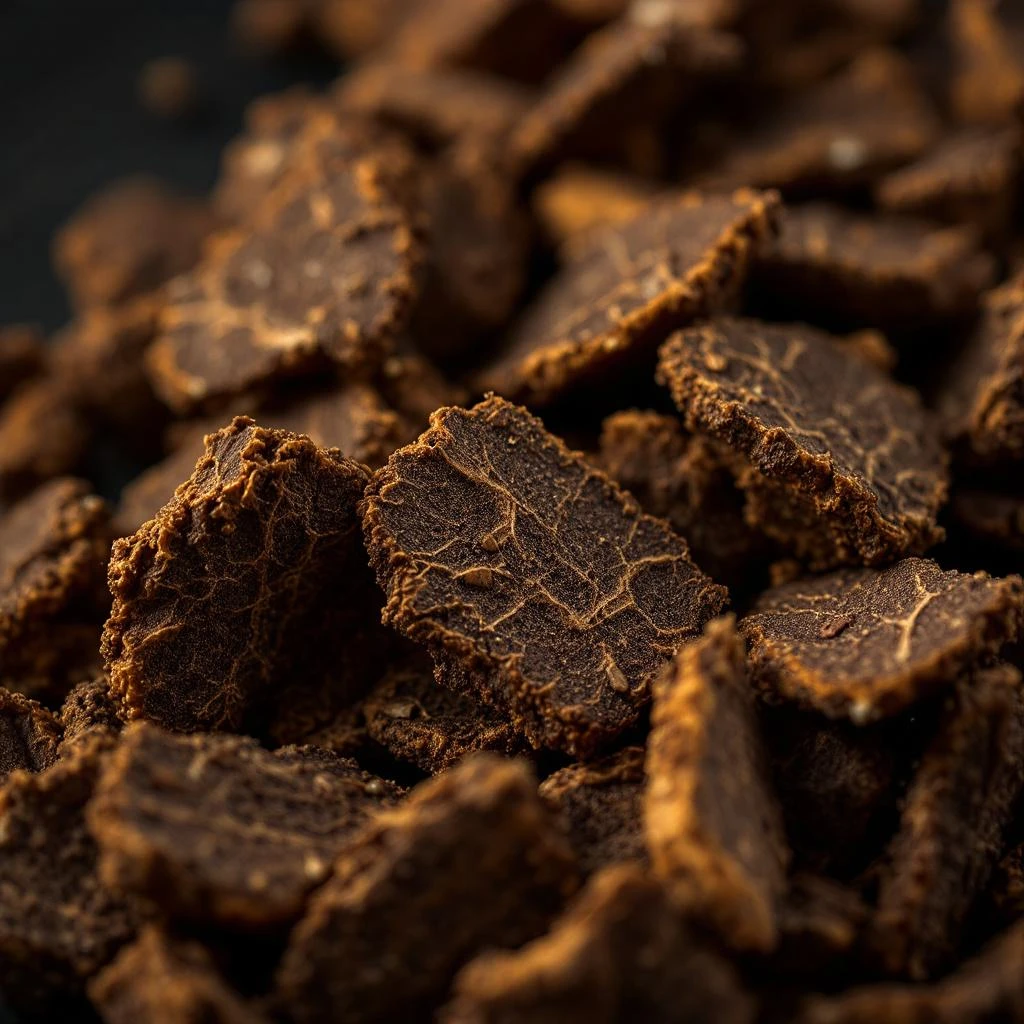
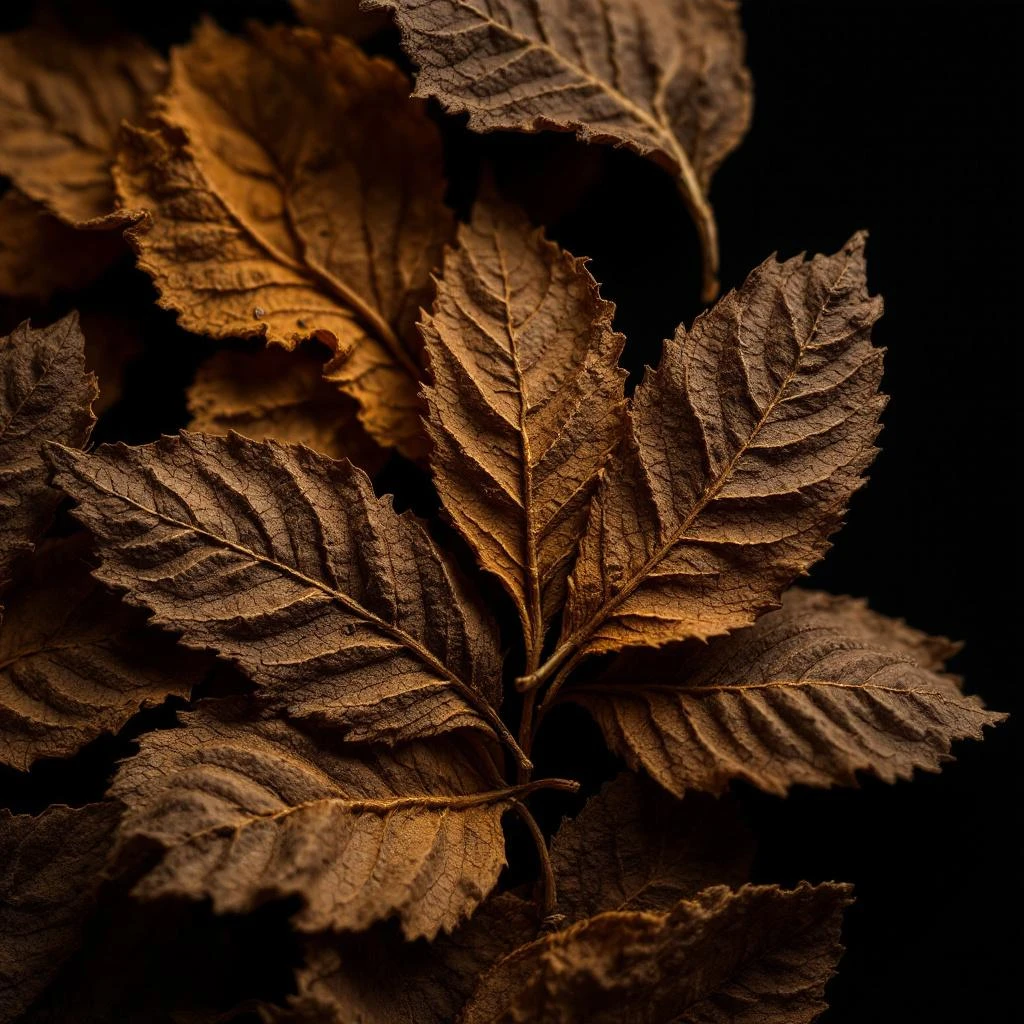
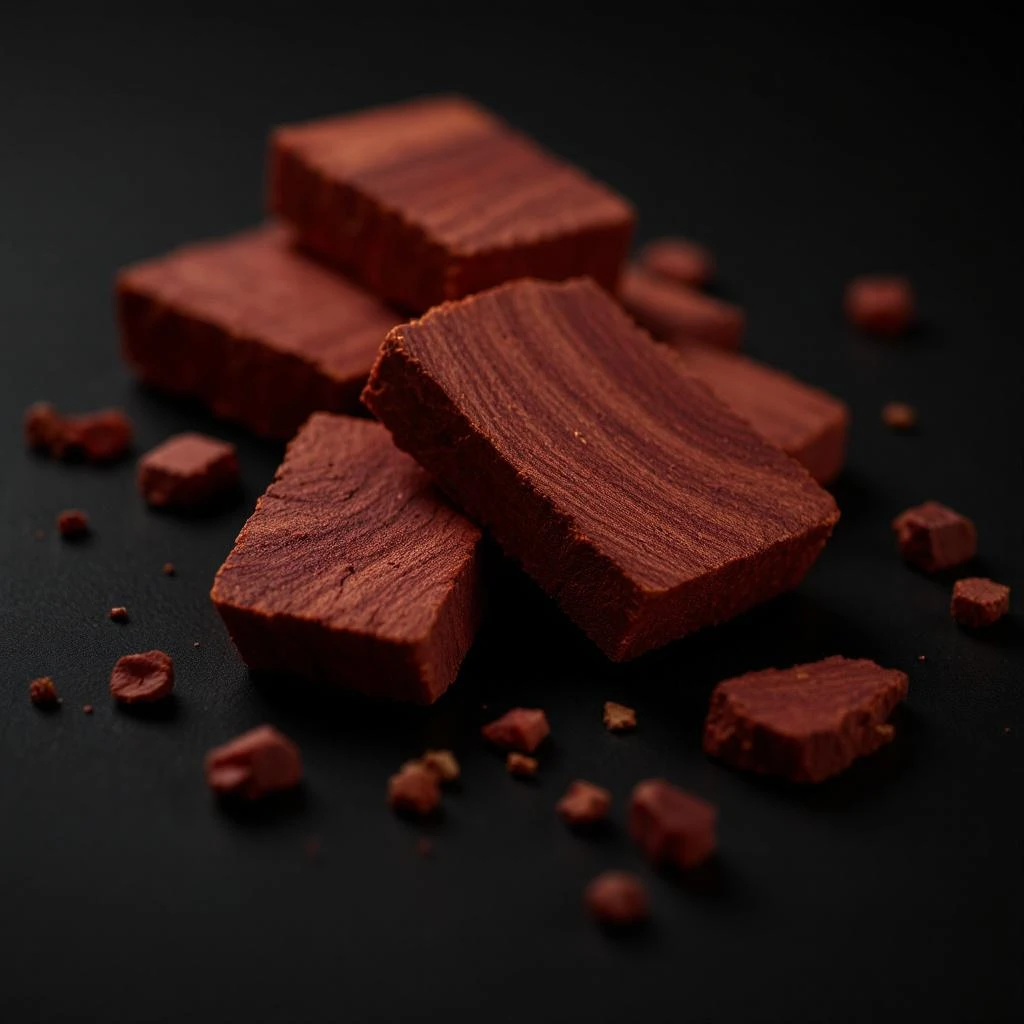
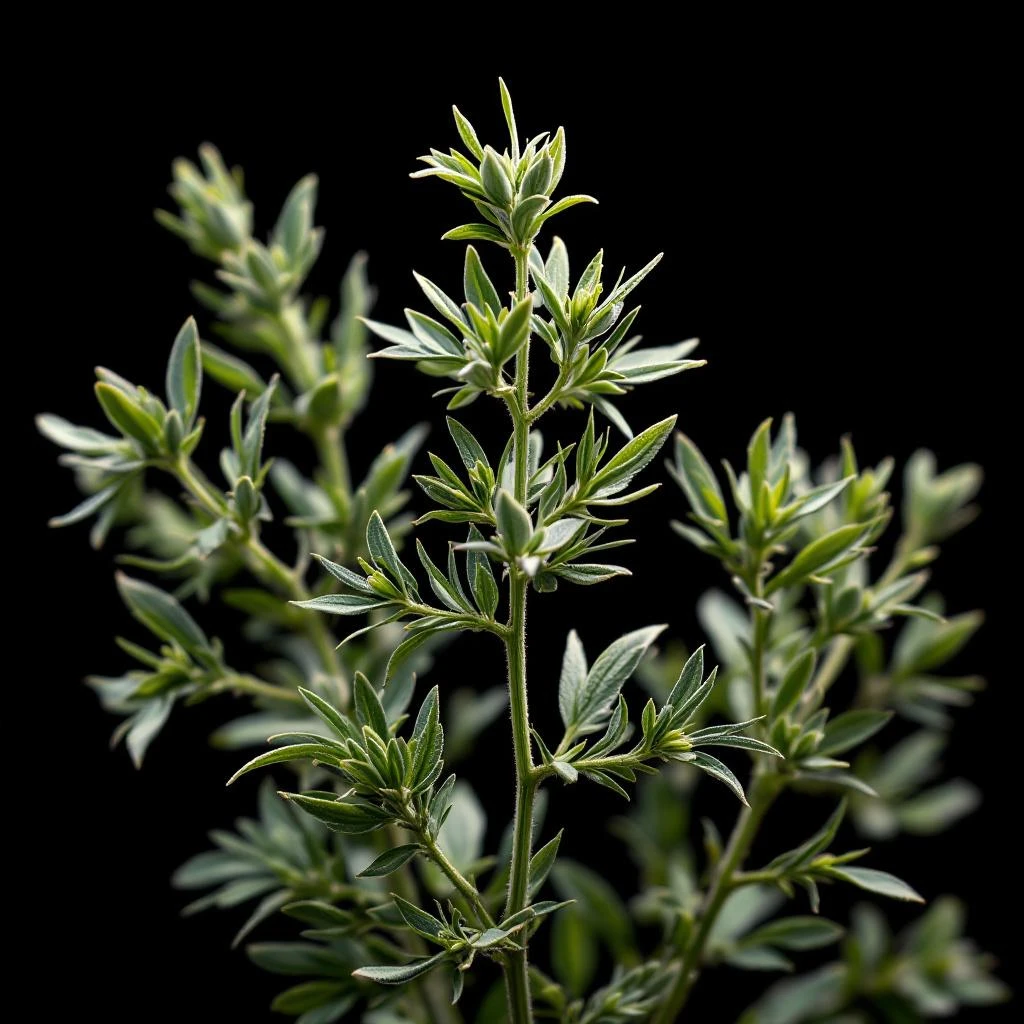
Cascarilla, the aromatic bark of Croton eluteria, delivers a warm, spicy edge that steadies bright top notes and adds depth to classic perfume structures.
Character
How it smells
Spice‑rich bark that anchors and brightens.
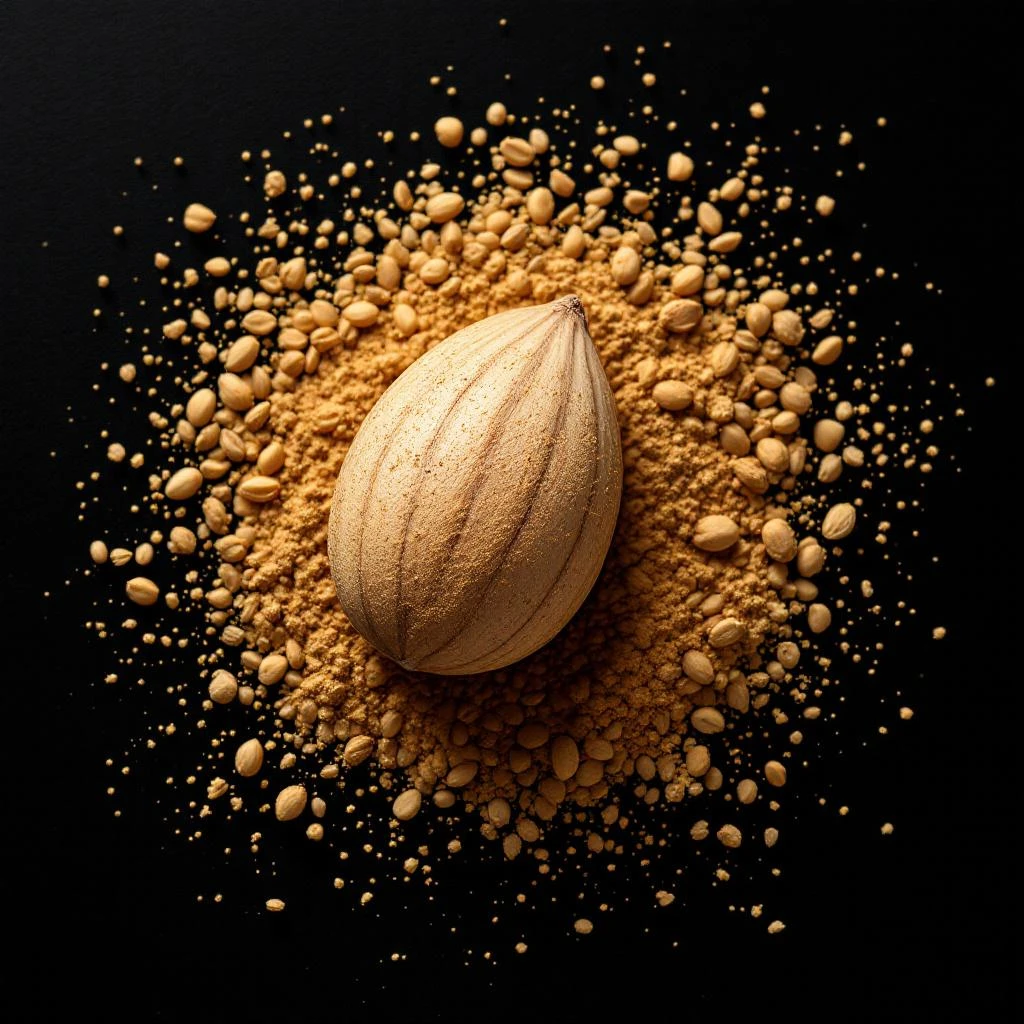
The Bahamas’ Out‑Islands supplied most of Europe’s cascarilla bark in the 1700s, and the same islands still provide the majority of today’s raw material.




Origin
Bahamas
Cascarilla bark entered European markets in the early seventeenth century, carried by Caribbean traders to ports in Spain and France. Early apothecaries prized it for its alleged antimalarial and digestive benefits, and sailors added it to rum rations to mask harsh flavors.
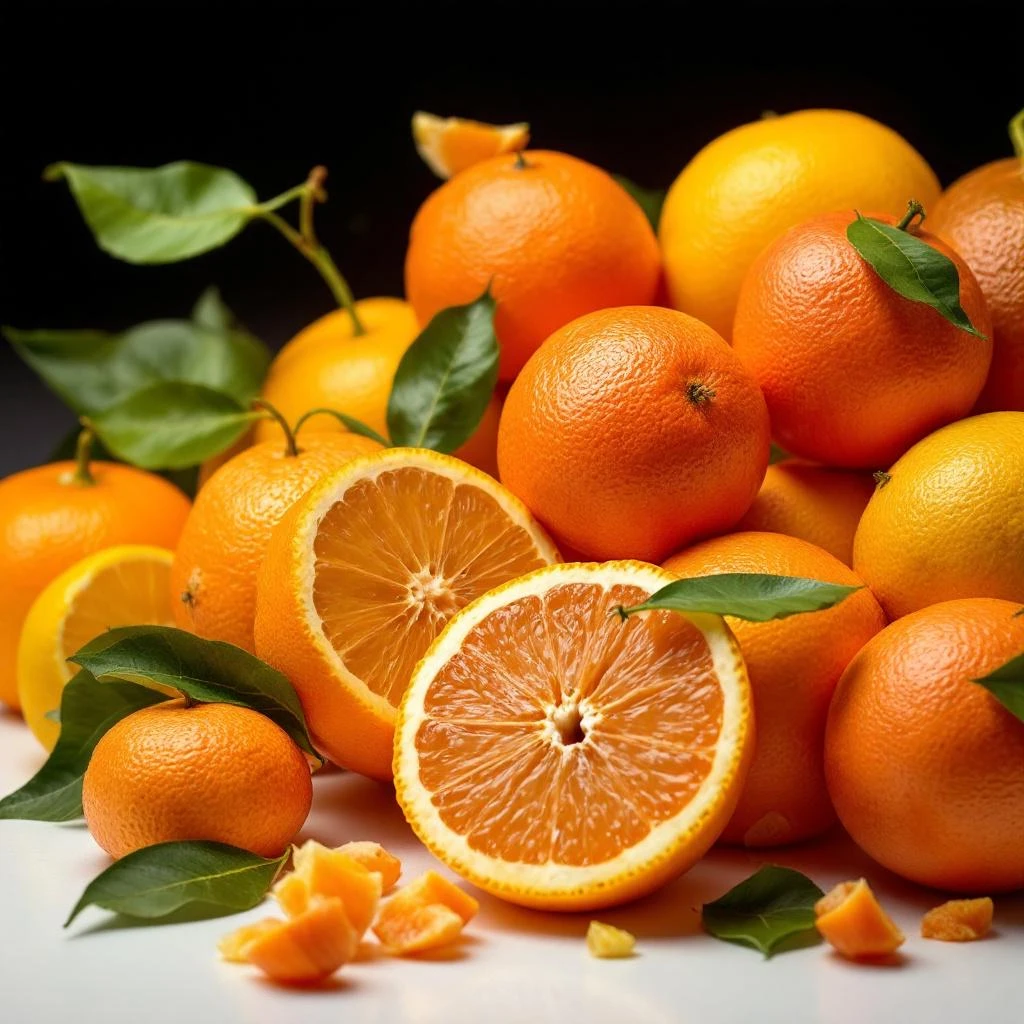
By the late eighteenth century, French perfumers began using cascarilla oil as a natural fixative, noting its ability to prolong the life of citrus top notes. The ingredient featured in classic chypre formulas of the nineteenth century, where its spicy backbone balanced floral and woody accords.
Throughout the colonial era, the bark also served in folk medicine across the Caribbean, treating skin irritations and coughs. Modern perfumery still respects its historic role, employing cascarilla in niche fragrances that echo its heritage of spice and resilience.
Wears it best
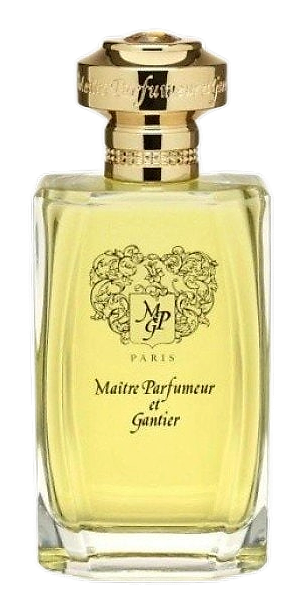
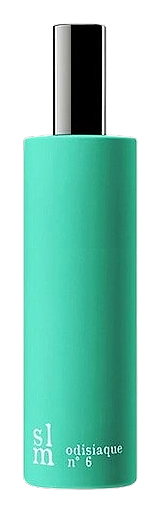
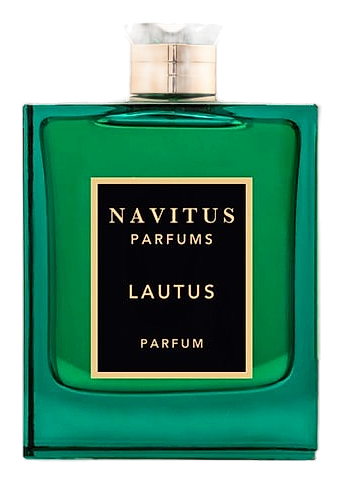
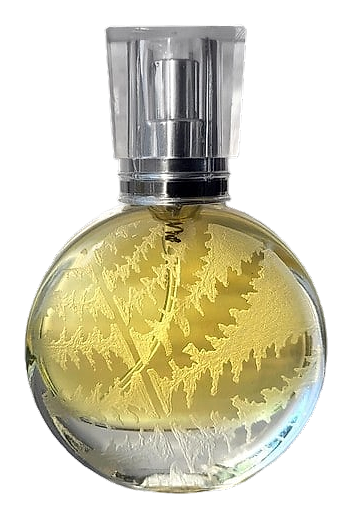
Fragrances featuring Cascarilla
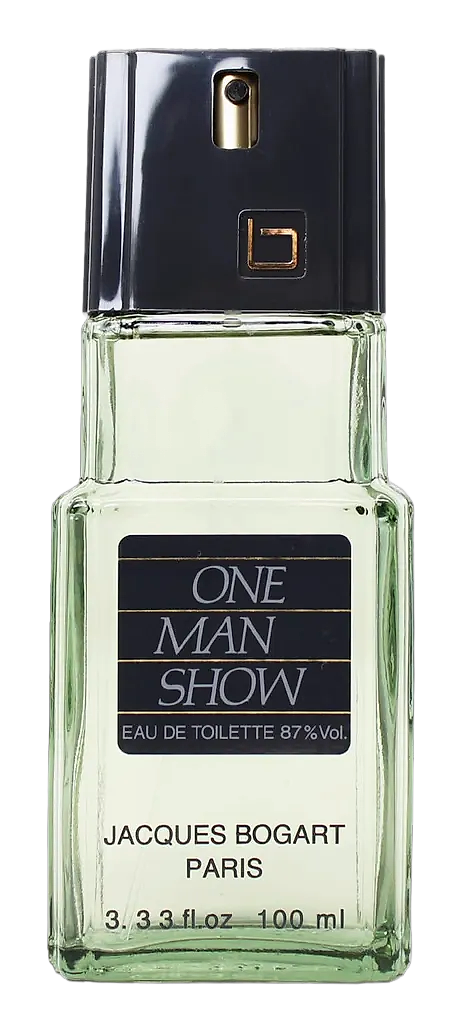
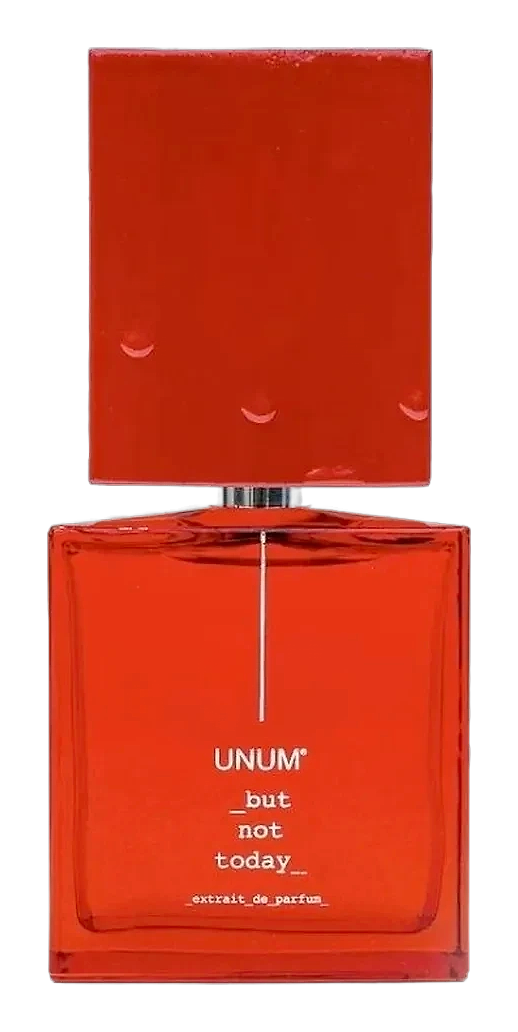
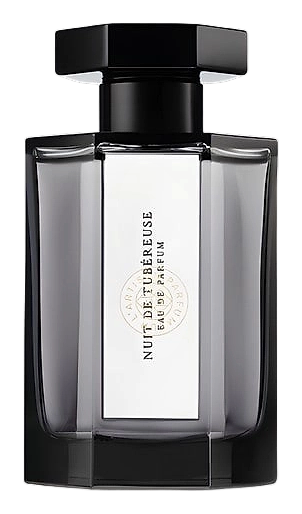

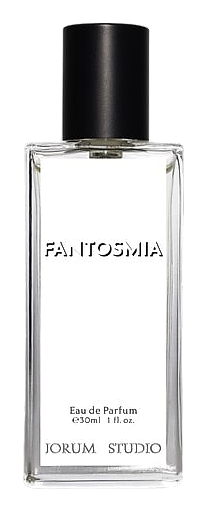

Brands
Brands known for Cascarilla
Good to know
Questions, answered
The essentials on Cascarilla in perfumery: how it smells, where it comes from, and how it behaves on skin.
What scent character does cascarilla provide?
Cascarilla adds a warm, spicy, slightly bitter note with hints of cinnamon and clove. The oil contains roughly 20% cinnamic acid, which drives the characteristic spice.
How effective is cascarilla as a fixative?
Cascarilla extends the longevity of volatile top notes by several hours. A 1998 study showed it increased the evaporation half‑life of linalool by 45%.
Is cascarilla safe for skin contact?
Cascarilla is safe at typical perfume concentrations below 2%. The International Fragrance Association lists a skin sensitization threshold of 0.5 µg/cm² for the oil.
Where is cascarilla harvested today?
Small‑scale farms on the Bahamian Out‑Islands supply most raw bark. In 2022 the Bahamas exported 1.2 tons of dried cascarilla bark.
Can cascarilla be synthetically reproduced?
Synthetic analogues replicate its key aroma compounds, but natural oil remains preferred for authenticity. The synthetic route reproduces the main safrole component with 98% purity.
How is bark collected without harming the tree?
Harvesters strip only the outer bark and allow the tree to regrow. Sustainable guidelines recommend removing no more than 30% of bark per tree each year.
Does cascarilla have uses beyond perfumery?
Yes, it appears in traditional medicines and as a flavoring for rum. Eighteenth‑century Caribbean records note its use to treat digestive upset.
How does climate affect cascarilla oil quality?
Warm, dry seasons increase resin content, sharpening the spice profile. Samples from a dry year showed a 12% rise in cinnamyl acetate compared with a wet year.