Jean-Francois Laporte
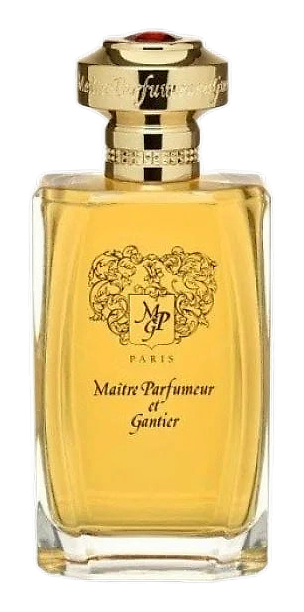
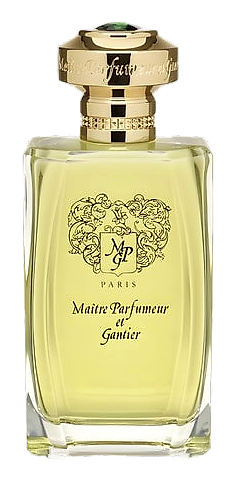
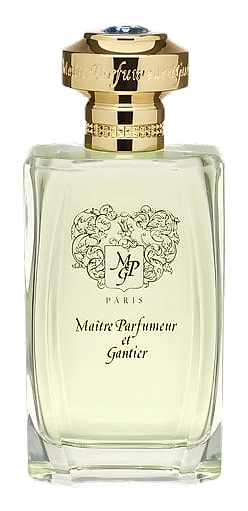
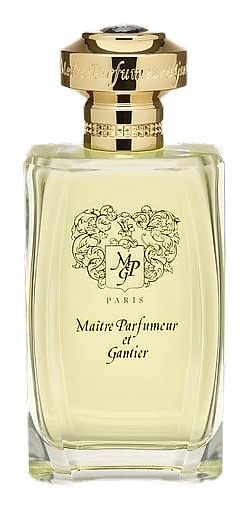
Jean-François Laporte trained as a chemical engineer before pivoting to perfumery, bringing a scientist's precision to the art of scent. In 1976, he opened his first boutique at 84 bis Rue de Grenelle in Paris, founding L'Artisan Parfumeur as one of the earliest voices offering an alternative to mainstream fragrance houses. His background in chemistry gave him an empirical approach to raw materials, a methodical curiosity that informed every composition. He had spent years studying vintage perfumes, treating them as documents of olfactory history worth decoding. Laporte believed perfumery should evolve, not merely repeat itself. He created Sisley in 1972, establishing his reputation before L'Artisan Parfumeur changed the industry's conversation. By 1988, he founded Maître Parfumeur et Gantier, further expanding his vision of what independent perfumery could become. He left both houses eventually, but his influence persisted in every niche house that followed.
The hits
Notable creations
The signature
How Jean-Francois composes
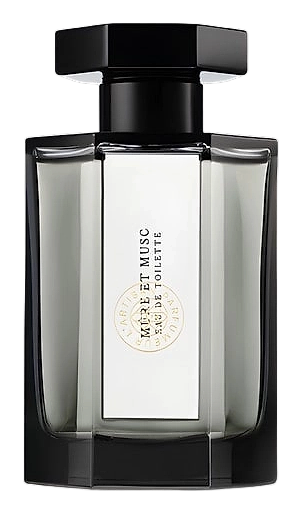
Laporte favored bold contrasts and unexpected pairings. He explored textures rarely seen in commercial perfumery, from the green sharpness of galbanum to the animal warmth of civet. His work with berries and woods produced some of the earliest modern interpretations of these notes, particularly in Mûre et Musc, which became a reference point for the genre. He treated each raw material as an individual character, building compositions around their distinctive qualities rather than conforming to expected structures.
Philosophy
What drives Jean-Francois
Laporte approached fragrance as a chemist examines formulas, but thought like a poet about what scent could express. He rejected the notion that perfumery should play it safe, instead seeking ingredients and combinations that mainstream houses overlooked. His interest in vintage perfumes was not nostalgia but study. He wanted to understand how older compositions achieved their effects, then apply those lessons to new work. For him, each fragrance was a question worth pursuing, not a product to be manufactured.
The houses
Maisons Jean-Francois composes for
In the same league