
The Story
Why it exists.
The beginning
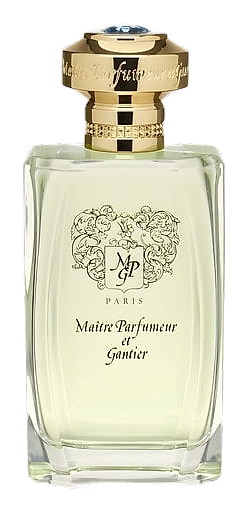
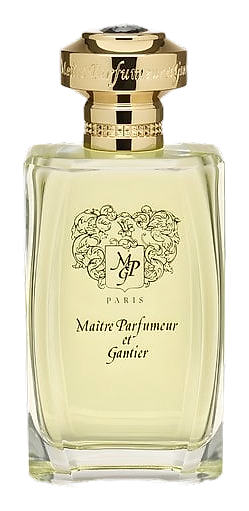
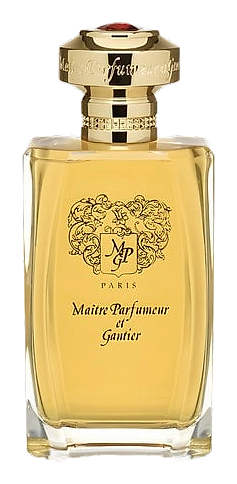
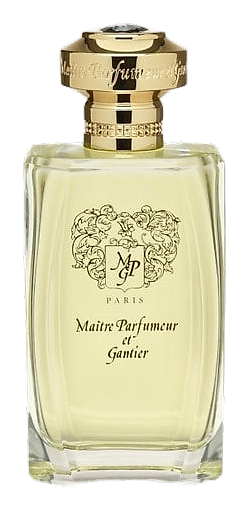
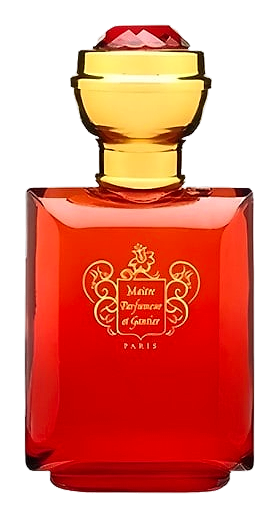
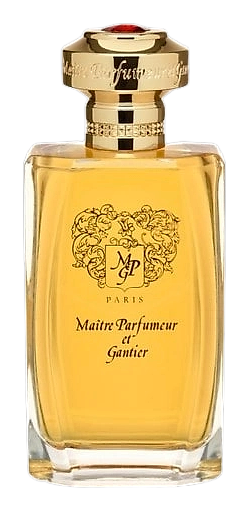
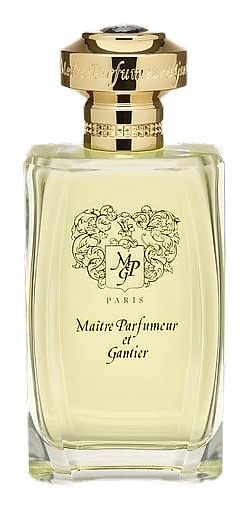
Jean-Francois Laporte created Eau Pour Le Jeune Homme in 1993 as a statement about the man not yet defined. The title translates directly: for the young man. But the scent isn't young in the naive sense. It's young the way a first good bottle feels when you finally understand what you're reaching for. Laporte designed this for the Les Caprices du Dandy collection, a series built around the idea of the connoisseur who hasn't yet earned the name but understands the standards. The fragrance carries that tension: someone with taste arriving before the title, wanting to be taken seriously without trying too hard. It's an interesting position for a perfume, and it shows in the structure.
The note pyramid is straightforward, but the execution is anything but generic. The top of citrus, orange, and lemon is standard territory for 90s masculine fragrance, but Laporte threads in an aromatic backbone of rosemary and coriander that keeps the freshness from feeling like a body spray. Neroli adds the white floral lift that separates this from the mass-market interpretation of the same idea. The real move is the base. Sandalwood and musk together create warmth without sweetness, which is the thing most citrus fragrances fail at. They open well and then dissolve into something forgettable. This one holds its shape through the drydown, which is why people who find it tend to keep wearing it.
The evolution
The opening is immediate: bergamot and Amalfi lemon give you that sharp citrus brightness, the kind that reads clean and awake. Orange sits underneath, adding a slight sweetness that prevents the whole thing from going astringent. You're looking at the first 30 to 45 minutes as a sustained citrus peak, bright without aggression. Then the hand-off begins. Neroli arrives quietly, adding its floral-fruity softness, and rosemary cuts through with something green and almost herbal. Nutmeg and coriander layer in as the spices that keep the heart from going soft. The citrus doesn't disappear so much as it recedes, becoming a memory rather than a statement. By the third hour, sandalwood and musk have taken over. The warmth is close, intimate, the kind that someone standing near you will notice more than someone across the room. On fabric, the sandalwood can linger into the next day. On skin, expect the musk to hold through an evening. It's the kind of drydown that earns repeat wearing.
Cultural impact
A 1993 French niche house release in a period when the market was still sorting out what masculine fragrance meant beyond department-store convention. It's not a blockbuster or a cultural landmark, but among collectors who track the niche revival of the 80s and 90s, Eau Pour Le Jeune Homme holds a position as a quiet, well-made example of what Laporte was building at Maître Parfumeur et Gantier: fragrance as considered object, not brand exercise.