The Story
Why it exists.
The beginning
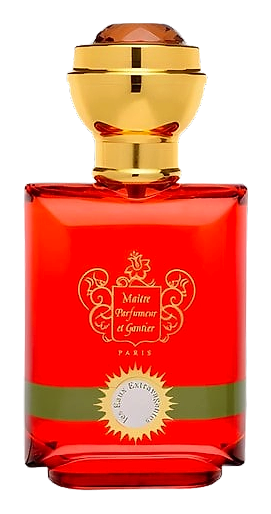
Jean-Paul Millet Lage revisited Eau Pour Le Jeune Homme in 2011. The original had worked since 1993, but Lage saw room for something with more urgency. The name itself tells you what the house intended: young man, extravagant, not in the obvious sense, but in the sense of refusing to be quiet about what he knows. Ginger became the key addition, a material the brand described as giving the perfume extraordinary and stimulating power. The structure stayed rooted in classic French cologne, citrus, herbs, woods, but the proportions shifted toward a more contemporary tension between freshness and warmth.
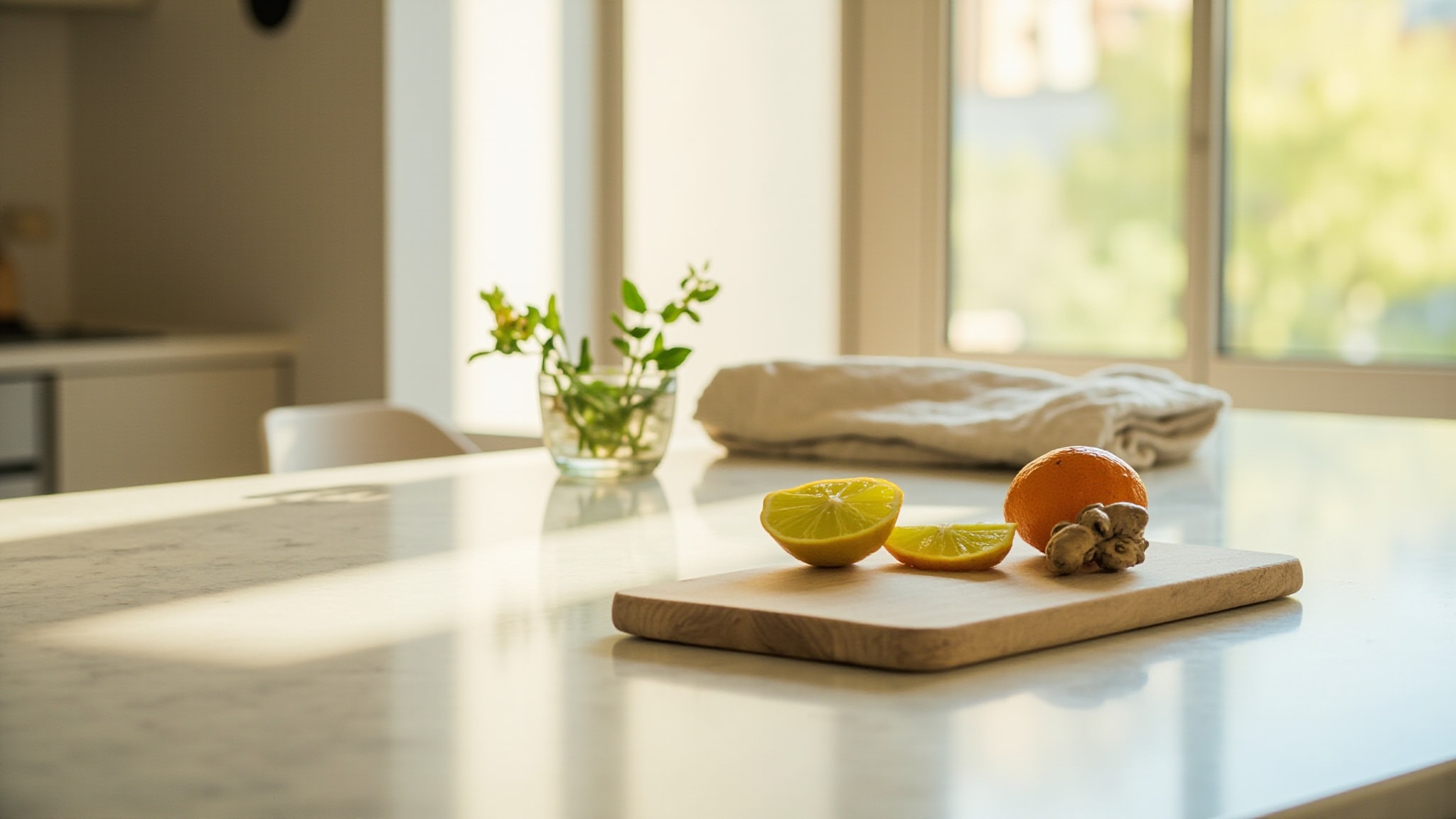
The ginger isn't decorative. In the original pyramid it sits alongside bergamot, orange, and lemon as a co-equal top note, not an afterthought. What makes this interesting is how the composition holds two directions at once: the citrus opens cool and bright, the ginger opens clean and warm. They don't fight, they argue productively. The nutmeg and coriander that follow amplify that argument rather than resolving it. By the time you reach the sandalwood base, you've traveled somewhere specific, not just faded into generic freshness.
The evolution
The opening arrives fast. Bergamot, Amalfi lemon, orange, a triple citrus hit that reads sharp and sparkling. It lasts longer than most citrus openings, maybe thirty minutes, before the herbs begin to move in. Neroli and rosemary take over the center stage, softening the sharpness into something more herbal and familiar. Coriander and nutmeg add warmth underneath, a quiet heat that keeps the composition from going flat. By the hour mark, the citrus has mostly cleared and the musk-sandalwood base moves in. Not loud. Not animalic. Sandalwood doing what sandalwood does, soft, creamy, close. The musk sits underneath without asserting itself. This is the intimate phase. Moderate projection, skin-close presence. On fabric, the sandalwood can hold for another day or two after the skin phase ends.
Cultural impact
The 2011 launch of Jeune Homme Extravagante marked a deliberate return to form for the MPG house, revisiting their underappreciated 1993 original with modern sensibility. Jean-Paul Millet Lager's approach reflects a broader trend in French perfumery where heritage houses refresh classic compositions rather than chase trend-driven releases. By preserving the classic French cologne structure while amplifying the citrus-spice dialogue, the revision respects the original's intent while acknowledging that modern wearers expect more from their fragrances. The ginger addition signals an awareness of contemporary preferences without abandoning the house's established identity.