
The Story
Why it exists.
The beginning
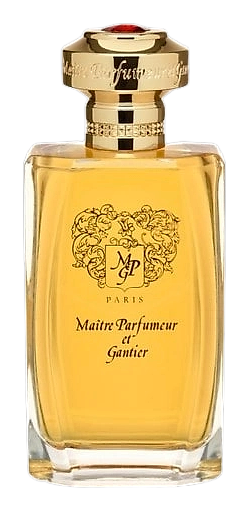
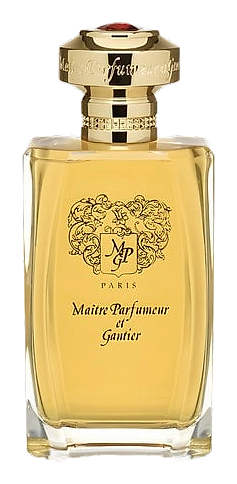
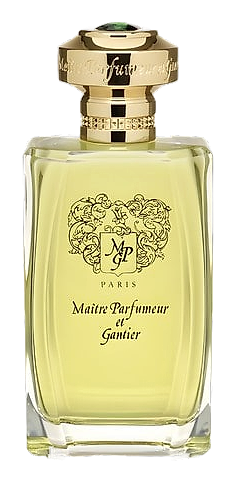
Jean-Francois Laporte founded Maître Parfumeur et Gantier in 1988, naming it after the 17th-century Parisian glove-makers who layered fragrance into their leather goods. The brand's identity, craft, refinement, tactile elegance, runs through every release. Grain de Plaisir belongs to Les Aromatiques, Laporte's collection built around unusual herbal and green materials. The choice of celery seed as a starring ingredient speaks to that ambition. This wasn't about adding another fresh masculine to the catalogue. It was about testing whether something genuinely strange could also be genuinely refined.
Celery seed is the defining material here. In perfumery, it's rarely used and almost never celebrated, yet Laporte placed it front and center. The result is a fragrance that smells like nothing else in the genre. It's savory where most fresh masculines are sweet, vegetal where they tend toward aquatic or citrus. The tension between the bright, clean opening and that earthy, slightly salty heart is what makes Grain de Plaisir worth knowing. It's not trying to please everyone. It's trying to be itself.
The evolution
The opening is immediate and confident, Amalfi lemon, cool mint, and aldehydes that feel like they've been lifted from a classic 1970s cologne. Clean. Bright. Almost bracing. Within minutes, the celery seed arrives and everything shifts. It doesn't overpower, it redirects. The composition becomes savory, green, almost mineral. Lavender and myrtle soften the edges without erasing them. The dry-down is where patience pays off. Exotic woods arrive, sandalwood, vetiver, a whisper of fir, wrapped in musk that stays close to the skin. Six to eight hours of wear, moderate sillage, never shouting. On fabric, the celery fades first, leaving a quiet trail of wood and musk well into the next day.
Cultural impact
Grain de Plaisir sits in Les Aromatiques, a collection that represents Laporte's genuine interest in pushing aromatic materials beyond their conventional use. The celery note is its statement, a material most perfumers avoid entirely, placed at the center of a well-constructed fragrance. It won't be for everyone, but it occupies a specific space: niche enough to intrigue collectors, refined enough to wear. For anyone curious about what French niche perfumery does when it stops trying to please, this is a valid answer.